
Red-Light Therapy in 2026: What the Science Really Says About Skin, Recovery and Pain
Imagine entering a wellness studio where the lights are almost completely red. A person lies comfortably beneath a glowing panel, wearing protective glasses. There are no needles, no injections, no complicated procedures and apparently no effort required. After fifteen minutes, the session ends.
The treatment is called red-light therapy, and its popularity has grown far beyond specialist dermatology clinics. Athletes use it after demanding training sessions. Beauty enthusiasts place illuminated LED masks over their faces. People experiencing joint discomfort investigate near-infrared devices, while wellness companies promote red-light panels as tools for better sleep, improved circulation, faster recovery and even healthier ageing.
The appeal is understandable. What if a particular kind of light could encourage the body's cells to repair themselves more efficiently?
The science behind this idea is not imaginary. Researchers have spent decades investigating a process known as photobiomodulation, in which specific wavelengths of light interact with biological tissue and influence cellular activity. Clinical studies have reported promising results for several conditions, including certain types of pain, hair loss, wound healing and skin ageing.
But there is an important distinction between demonstrating that light can influence cells and proving that a consumer device can produce a meaningful improvement in someone's everyday health.
That distinction is especially important in 2026, when red-light therapy is marketed in everything from inexpensive handheld devices to expensive full-body panels. Some advertisements promise dramatic transformations, while scientific findings are considerably more measured.
The central question is therefore not simply whether red light works. It is which treatments work, for which conditions, under what circumstances, and how confidently can we trust the evidence?
This article examines what researchers currently understand, what clinical studies have demonstrated, where uncertainty remains and how to approach red-light therapy without confusing scientific possibility with marketing promises.
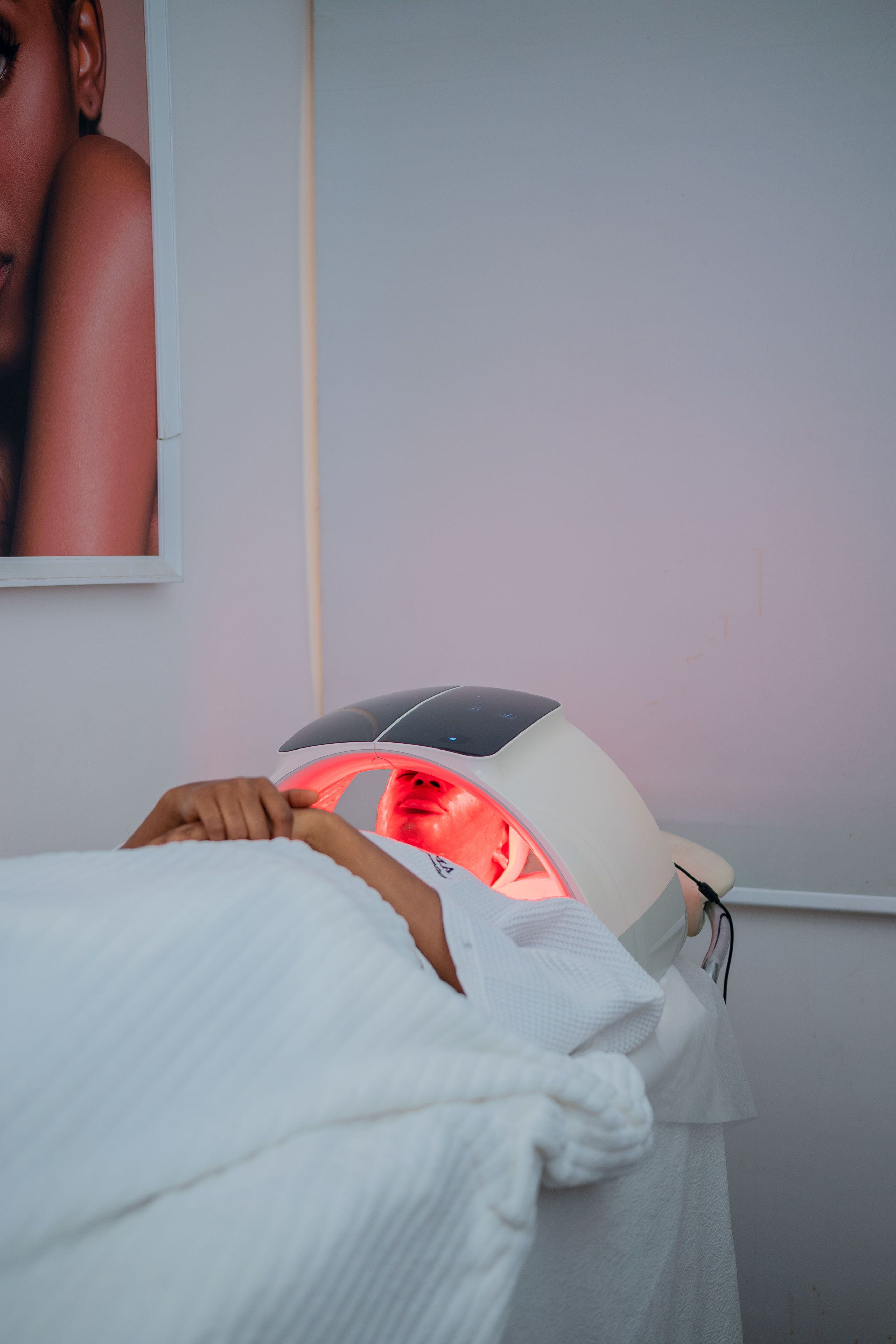
What Exactly Is Red-Light Therapy?
Red-light therapy is a non-invasive treatment that exposes parts of the body to carefully selected wavelengths of visible red light or near-infrared light.
Its scientific name is photobiomodulation (PBM). Older research may also refer to it as low-level light therapy (LLLT) or low-level laser therapy.
Unlike ultraviolet (UV) radiation, which can damage DNA and contribute to skin cancer, therapeutic red and near-infrared light operate at different wavelengths and interact with biological tissue through different biological processes.
The treatment generally uses LEDs, low-level lasers or a combination of both.
The objective is not to burn, tan or deliberately heat the skin. Instead, researchers are investigating whether light energy can influence cellular processes associated with inflammation, energy production, circulation and tissue repair.
Red Light Versus Near-Infrared Light
Although people often use the expression red-light therapy to describe every device emitting a red glow, there are important differences between wavelengths.
| Type of light | Approximate wavelength | Main research interest |
|---|---|---|
| Visible red light | 620–700 nm | Skin, superficial tissues, wound healing |
| Near-infrared light | 700–1,100 nm | Deeper tissue targets, muscles and pain |
| Blue light | 400–495 nm | Acne-related bacteria and dermatology |
| Ultraviolet light | 100–400 nm | Medical phototherapy, but with different risks and mechanisms |
A nanometre (nm) is one-billionth of a metre. The wavelength determines the colour of visible light and influences how light interacts with biological tissue.
Two commonly discussed ranges are:
- 630–660 nm: Frequently investigated for skin-related applications, including collagen production and wound healing.
- 810–850 nm: Commonly investigated for deeper tissue applications, including muscle recovery and musculoskeletal discomfort.
These ranges are not universal prescriptions. Research protocols use different wavelengths, energy levels, treatment distances and exposure times. A device advertising 660 nm and 850 nm does not automatically reproduce the conditions of a successful clinical study.
What Is the Difference Between an LED Panel and a Laser?
Both technologies can deliver light for photobiomodulation, but they do not necessarily deliver the same treatment.
LED panels usually distribute light across a relatively broad area. They are commonly used for facial treatments and whole-body exposure.
Low-level laser devices can deliver light to smaller, more targeted areas. Depending on their design, they may provide a more concentrated beam.
Neither technology is automatically superior in every situation. The relevant question is whether the device delivers an appropriate wavelength and dose to the intended tissue.
A large panel can illuminate an entire back, but that does not mean every muscle receives an effective therapeutic dose. A small laser may target a particular joint, but its effectiveness depends on its output, treatment parameters and the condition being addressed.
How Is Red-Light Therapy Supposed to Work?
The biological explanation begins inside almost every cell in the human body.
Cells require energy to perform their functions. They obtain much of this usable energy through a molecule called adenosine triphosphate, commonly abbreviated as ATP.
Mitochondria are structures inside cells that play a central role in producing ATP. They are often described as the cell's power stations.
Researchers believe certain wavelengths of red and near-infrared light can influence components of the mitochondrial energy-production system.
One frequently investigated target is cytochrome c oxidase, a protein complex involved in the mitochondrial electron transport chain.
The Mitochondrial Explanation
The proposed process can be simplified into several stages:
- Red or near-infrared light reaches the targeted tissue.
- Certain cellular molecules absorb some of that light energy.
- The absorption may influence mitochondrial activity and cellular signalling.
- ATP production and other biological processes may change.
- These changes may influence inflammation, tissue repair and cellular responses.
This is a simplified explanation rather than a complete description of a process that scientists fully understand.
A 2025 umbrella review of randomized clinical trial meta-analyses examined 15 meta-analyses covering 204 randomized trials and more than 9,000 participants. It identified potential benefits in several areas, while finding that most assessed outcomes had low or very low certainty of evidence.
Does More Light Produce Better Results?
Not necessarily.
One of the most interesting aspects of photobiomodulation is the possibility of a biphasic dose response.
In simple terms, a relatively small amount of light may stimulate a biological response, while an insufficient dose may do very little and an excessive dose may reduce the desired effect.
Think about watering a plant. Too little water prevents healthy growth, but flooding the soil does not make the plant grow faster.
The same general principle may apply to photobiomodulation.
This is why claims such as using a panel for twice as long to double the benefits should be treated with caution.
The energy delivered to the skin or tissue is often described as energy density, measured in joules per square centimetre (J/cm²).
Other important measurements include:
- Irradiance: The power delivered per unit of area, commonly measured in milliwatts per square centimetre (mW/cm²).
- Wavelength: The specific light spectrum produced by the device.
- Exposure time: How long the treatment lasts.
- Distance: How far the light source is from the body.
- Treatment frequency: How often sessions are performed.
A meaningful treatment requires more than a bright red appearance. Visible brightness alone does not establish therapeutic effectiveness.
Red-Light Therapy for Skin: Does It Really Improve Ageing?
Skin rejuvenation is among the most commercially visible applications of red-light therapy.
Facial LED masks, illuminated panels and dermatology treatments are advertised as ways to reduce fine lines, improve elasticity and create smoother-looking skin.
There is a scientific basis for investigating these claims, although the expected improvements should remain realistic.
Collagen and Skin Elasticity
Collagen is an important structural protein that helps skin maintain its firmness and support.
As people age, collagen production and the organisation of collagen fibres change. Sun exposure, smoking, environmental pollution and other factors can accelerate visible skin ageing.
Some laboratory and clinical research suggests that red-light photobiomodulation may influence fibroblasts, the cells responsible for producing collagen and other components of the skin's connective tissue.
Researchers have investigated whether these changes can improve:
- Fine lines and wrinkles.
- Skin texture.
- Elasticity.
- General skin appearance.
- Certain aspects of wound healing.
However, laboratory evidence showing changes in collagen-related activity does not automatically establish a large visible improvement in a person's face.
Small clinical studies have reported encouraging findings, but differences in study design make it difficult to determine exactly how much improvement an average consumer should expect.
A 2025 international consensus publication in the Journal of the American Academy of Dermatology reviewed the clinical application of photobiomodulation and identified several dermatological uses supported by varying levels of evidence.
Further reading: Photobiomodulation and dermatology clinical research.
Can Red Light Reduce Wrinkles?
Possibly, particularly when a suitable device is used consistently over an appropriate treatment period.
But red-light therapy should not be confused with more established dermatological procedures such as certain fractional lasers, which work through different mechanisms and have their own clinical evidence and risks.
The likely cosmetic benefits of LED treatments are generally more modest.
A person might notice improvements in skin texture or the appearance of fine lines without experiencing a dramatic transformation.
It is also important to understand that results can differ according to age, skin condition, treatment parameters and the particular device.
Does Red-Light Therapy Help Acne?
The answer requires a distinction between red and blue light.
Blue LED light has been investigated because it can interact with certain acne-associated bacteria. Red light is studied partly for its potential anti-inflammatory effects.
For this reason, some acne devices combine blue and red wavelengths.
The two colours have different purposes:
- Blue light is intended to target acne-associated bacteria.
- Red light may help influence inflammatory responses.
A 2025 systematic review and meta-analysis published in JAMA Dermatology investigated at-home LED devices for acne vulgaris, reflecting growing interest in this treatment category.
The review included six studies and found improvements in acne lesions with at-home or portable red and/or blue LED devices. The authors reported that improvement was typically observed after four to twelve weeks in the included studies.
Source: At-Home LED Devices for the Treatment of Acne Vulgaris: A Systematic Review and Meta-Analysis.
However, the evidence should not be interpreted as showing that a red-only home mask can replace established acne treatment.
Moderate or severe acne, painful cysts, scarring and persistent breakouts deserve medical assessment.
What About Pigmentation and Dark Spots?
This is an area where consumers should be especially cautious.
Red-light devices are not equivalent to treatments specifically designed to remove pigmentation.
Dark spots can have different causes, including sun damage, melasma, post-inflammatory hyperpigmentation and other skin conditions.
Some forms of light-based treatment can aggravate pigmentation, particularly when the treatment is inappropriate for the person's skin type or produces unwanted heating.
If pigmentation is changing, spreading or appearing irregular, it should be evaluated rather than treated with an unverified home device.
What the evidence tells us: Red-light therapy has promising but variable evidence for certain skin applications. It may offer modest cosmetic improvements, but it is not a replacement for sun protection, appropriate skincare or professional dermatological treatment.
Red-Light Therapy for Muscle Recovery: Can Athletes Benefit?
Imagine finishing a demanding workout involving squats, lunges and heavy resistance training.
The following morning, your legs feel stiff. Walking downstairs becomes uncomfortable, and the muscles that performed well yesterday seem to have temporarily lost their strength.
This experience is commonly known as delayed-onset muscle soreness, or DOMS.
It usually becomes noticeable between 12 and 24 hours after unfamiliar or particularly strenuous exercise and can remain uncomfortable for several days.
Could red-light therapy shorten this recovery period?
What Researchers Have Investigated
Photobiomodulation has been studied in athletes and physically active people to examine several possible effects:
- Reduced post-exercise muscle soreness.
- Improved muscle strength after exercise.
- Changes in markers associated with muscle damage.
- Reduced inflammatory responses.
- Better exercise performance in certain circumstances.
The proposed mechanism involves cellular energy production, inflammation regulation and tissue recovery.
A systematic review and meta-analysis published in 2025 specifically examined photomodulation therapy for delayed-onset muscle soreness.
It included 14 studies using wavelengths between 660 and 950 nm. Four studies provided sufficient data for quantitative analysis.
The pooled findings suggested reduced soreness at 72 and 96 hours, alongside improvements in muscle strength at 24 and 48 hours.
These results are encouraging, but they should not be interpreted as proof that every athlete will recover faster.
Only a subset of the included studies contributed to the quantitative synthesis. Treatment protocols also varied.
Can It Prevent Muscle Fatigue?
Some studies have investigated whether applying photobiomodulation before exercise can influence subsequent performance.
The idea is that supporting cellular energy processes before a demanding workout could potentially improve muscle function or reduce fatigue.
However, results are inconsistent.
The effectiveness may depend on the muscle group, exercise intensity, timing, wavelength and delivered dose.
There is also a difference between improving a laboratory measurement of muscle performance and producing a meaningful improvement in everyday athletic ability.
Is It Better Than Rest and Recovery?
No strong evidence establishes red-light therapy as a replacement for conventional recovery practices.
Athletes still need:
- Adequate sleep.
- Sufficient food and protein.
- Appropriate hydration.
- Training programmes that allow recovery.
- Gradual increases in exercise intensity.
- Treatment of genuine injuries.
Red-light therapy may eventually prove useful as an additional recovery tool in selected circumstances, but the evidence does not justify abandoning established sports medicine practices.
Red-Light Therapy for Pain: What Does the Evidence Show?
Pain management is one of the more interesting areas of photobiomodulation research.
Researchers have investigated its potential role in several conditions, including osteoarthritis, muscle-related pain, neck discomfort and certain neuropathic conditions.
The proposed benefits involve changes in inflammatory signalling and the activity of pain-related pathways.
But the results differ considerably between conditions.
Knee Osteoarthritis
Osteoarthritis involves changes in the joint, including cartilage deterioration, inflammation and structural alterations.
People with knee osteoarthritis may experience pain, stiffness and difficulty performing ordinary activities.
Photobiomodulation has been investigated as a possible complementary treatment.
The 2025 umbrella review found moderate-certainty evidence for improvements in disability associated with knee osteoarthritis. However, the same review found that the effect on pain intensity was much less convincing, with some statistically significant findings likely to have limited clinical importance.
Source: 2025 umbrella review of photobiomodulation clinical outcomes.
This distinction matters.
A treatment can produce a measurable difference in a research study without delivering an improvement that patients would consider substantial.
Red-light therapy should therefore not be presented as a treatment that reverses osteoarthritis or rebuilds destroyed cartilage.
Neck and Muscle-Related Pain
Some research has examined low-level laser therapy for neck pain and myofascial pain.
Myofascial pain involves discomfort associated with muscles and surrounding connective tissue.
Certain studies have reported improvements in pain and stiffness, but the overall certainty of evidence varies.
The results also depend on the specific diagnosis and treatment protocol.
A device that works for one muscle-related condition cannot automatically be assumed to work for every form of back pain, neck pain or joint discomfort.
Neuropathic Pain
Neuropathic pain occurs when the nervous system itself is damaged or malfunctioning.
Examples include certain forms of diabetic neuropathy.
The 2025 international dermatology consensus identified peripheral neuropathy among the conditions for which photobiomodulation may have a clinical role.
Nevertheless, patients should not discontinue prescribed medication or medical monitoring because they have purchased a red-light device.
Persistent numbness, burning sensations, weakness or unexplained pain requires appropriate medical assessment.
Is Red Light a Painkiller?
Not in the conventional sense.
It does not work like an ordinary pain-relieving medicine, and its effects, when present, may depend on repeated treatments and the underlying condition.
It is more accurate to describe photobiomodulation as a possible complementary intervention being studied for certain pain-related conditions.
Red-Light Therapy for Hair Growth: Can It Help With Hair Loss?
Hair loss affects millions of people and can have several causes.
Genetics, hormonal changes, autoimmune conditions, nutritional deficiencies, medical treatments and scalp disorders can all contribute.
Red-light therapy has attracted particular interest for androgenetic alopecia, commonly known as pattern hair loss.
This condition affects both men and women and is associated with genetic susceptibility and sensitivity of hair follicles to androgen hormones.
How Might Light Influence Hair Follicles?
Researchers propose several possible mechanisms.
Photobiomodulation may influence cellular activity around hair follicles, potentially affecting:
- Follicular cell metabolism.
- Local circulation.
- Inflammatory signalling.
- The hair growth cycle.
Some clinical trials have investigated low-level laser combs, helmets and LED devices.
The most encouraging evidence relates to androgenetic alopecia rather than every possible type of hair loss.
A 2025 umbrella review identified moderate-certainty evidence for increased hair density in people with androgenetic alopecia.
Source: Effects of photobiomodulation on multiple health outcomes: An umbrella review.
This is an important finding, but it does not mean that light therapy can restore every lost hair follicle.
Who Might Benefit?
People with early or moderate pattern hair loss may be among the more relevant candidates for discussing this treatment.
However, sudden hair loss, patchy bald areas, scalp inflammation or rapid shedding may indicate conditions requiring diagnosis.
Red-light therapy should not delay investigations into thyroid problems, iron deficiency, autoimmune disease or other underlying causes.
It should also not be assumed to replace established treatments such as topical minoxidil or other clinician-recommended therapies.
How Long Does Hair Treatment Take?
Hair grows slowly, and meaningful changes in density cannot usually be assessed after a few sessions.
Studies often examine treatment over several months.
Anyone considering a device should look for clinical evidence involving the same type of device, wavelength and intended use rather than relying on photographs or promotional testimonials.
Red-Light Therapy for Sleep: Does It Improve Sleep Quality?
Sleep is another popular subject in red-light therapy marketing.
Some companies claim that red light can improve sleep, regulate the circadian rhythm or encourage melatonin production.
There are several different ideas being combined in these claims, and they should not be treated as interchangeable.
Red Light and the Body's Internal Clock
The circadian rhythm is the biological system that helps coordinate sleep and wakefulness across approximately 24 hours.
Light exposure is one of its most important environmental signals.
However, different wavelengths of light affect the circadian system differently.
Blue-enriched light, particularly in the evening, can influence melatonin timing and alertness. Red light generally has a smaller impact on the light-sensitive pathways involved in circadian regulation at comparable conditions.
This does not automatically establish that shining red light on the body improves sleep.
What Does Clinical Research Say?
Research into photobiomodulation and sleep remains relatively limited.
A systematic review and meta-analysis published in 2026 examined five randomized controlled trials involving 240 participants.
The pooled results suggested a statistically significant improvement in Pittsburgh Sleep Quality Index scores compared with sham treatment.
However, the confidence interval was relatively wide, and the small number of trials limits certainty.
Source: Photobiomodulation and sleep quality: Systematic review and meta-analysis.
The findings are interesting, but they do not establish red-light therapy as a proven treatment for insomnia.
There are also important differences between studies investigating light exposure to the head, body or other treatment areas.
Can Red-Light Therapy Replace Good Sleep Habits?
No.
People experiencing sleep problems should continue to prioritise evidence-based sleep practices, including:
- Maintaining a consistent sleep schedule.
- Keeping the bedroom dark, comfortable and quiet.
- Limiting caffeine late in the day.
- Reducing stimulating activities before bedtime.
- Getting appropriate daylight exposure during the day.
- Seeking assessment for persistent insomnia or suspected sleep apnoea.
Red-light therapy should not be promoted as a shortcut around these habits.
Does Red-Light Therapy Help With Wound Healing?
Wound healing is another area where researchers have investigated photobiomodulation.
The biological rationale involves cellular activity, inflammation and tissue repair.
Some clinical applications have been studied in relation to:
- Chronic wounds.
- Pressure ulcers.
- Certain diabetic foot ulcers.
- Radiation-related skin reactions.
- Surgical and traumatic wounds.
The 2025 international consensus publication identified wound ulcers from several causes, pressure ulcers and acute radiation dermatitis among the applications supported by its expert recommendations.
This is an area where the treatment should be considered within professional medical care.
An infected wound, diabetic foot ulcer or non-healing lesion can become serious. Applying a consumer LED panel without a proper diagnosis may delay essential treatment.
The fact that photobiomodulation has been investigated in clinical wound-care settings does not establish that a home device can safely manage complex wounds.
Which Red-Light Therapy Devices Are Available in 2026?
The market has expanded considerably, and buyers now encounter several different device categories.
1. LED Face Masks
These devices are designed to cover all or part of the face.
They commonly combine red LEDs with other wavelengths, including blue light.
Their intended applications include skin appearance and acne-related concerns.
The quality of evidence varies according to the device and the specific condition being treated.
2. Handheld LED Devices
Handheld products are generally designed for smaller areas.
They may be marketed for facial skincare, joints or localised muscle discomfort.
Their limited treatment area can make them less convenient for larger body regions.
3. Full-Body Red-Light Panels
These panels illuminate relatively large sections of the body.
They are popular in wellness studios, gyms and home treatment spaces.
However, a larger illuminated area does not necessarily mean better clinical results.
The actual irradiance, wavelengths, distance and treatment protocol remain important.
4. Red-Light Therapy Beds
These systems surround the body with multiple LED sources.
Some wellness centres use them for full-body treatments.
Their effectiveness depends on the actual device specifications and the evidence supporting its intended application.
5. Laser Combs and Helmets
These devices are primarily marketed for pattern hair loss.
Some have been investigated in clinical trials, making it particularly important to distinguish tested products from generic devices that simply advertise red light.
How to Choose a Red-Light Therapy Device
A high price does not guarantee better results.
Before purchasing a device, investigate its specifications and the evidence behind its claims.
| Feature | What to investigate |
|---|---|
| Wavelength | Exact wavelengths in nanometres |
| Irradiance | Measured power reaching the treatment surface |
| Energy density | Delivered dose in J/cm² |
| Treatment distance | Manufacturer's tested operating distance |
| Safety | Eye protection and relevant warnings |
| Intended use | Whether the claimed condition has supporting clinical evidence |
| Regulatory status | Actual clearance, registration or authorisation for the intended market |
Be particularly careful with advertisements using the expression FDA approved.
FDA clearance and FDA approval are not interchangeable. A device being legally marketed or cleared for one intended use does not mean that every health claim made about it has been evaluated or authorised.
A device intended for cosmetic skin improvement should not automatically be assumed to be effective for chronic pain or hair loss.
Why Specifications Matter More Than Appearance
Two panels can look almost identical while delivering different amounts of energy.
One may have a suitable output for a particular treatment protocol, while another may deliver a substantially different dose.
Manufacturers should ideally provide independently verifiable measurements rather than relying entirely on vague descriptions such as medical-grade, professional strength or maximum power.
If the specifications are missing, making a meaningful comparison becomes difficult.
Red-Light Therapy Safety: What Are the Risks?
One reason photobiomodulation attracts interest is that appropriately administered low-level treatments are generally considered non-invasive and are often associated with relatively few adverse effects.
However, non-invasive does not mean risk-free.
The FDA identifies several possible complications associated with low-level light procedures, including local sensitivity, burns, pigmentation changes, itching and pain. It also highlights specific situations in which treatment may not be appropriate.
Source: FDA: Non-Invasive Body Contouring Technologies.

Eye Safety
Eye protection deserves particular attention.
Direct exposure to intense light sources may create risks, depending on the wavelength, intensity and device design.
Near-infrared light is especially important because it is invisible. The absence of visible brightness does not mean that the eyes are protected.
Follow the manufacturer's eye-safety instructions and use suitable protective eyewear where required.
Do not stare directly into an LED panel or laser source.
People with existing eye conditions should discuss treatment with an appropriate healthcare professional.
Pregnancy
The safety of many consumer photobiomodulation treatments during pregnancy has not been adequately established.
The FDA's guidance for the low-level light body-contouring procedures discussed on its website lists pregnancy or plans for pregnancy among circumstances in which treatment is not recommended.
Pregnant people should not assume that a home device is safe simply because it does not use medication or produce substantial heat.
Discuss any intended treatment with a qualified healthcare professional first.
Photosensitising Medications
Some medicines can make the skin or eyes more sensitive to light.
Examples may include certain antibiotics, acne treatments and other medicines with photosensitising properties.
Not all medications interact with every red-light wavelength in the same way. Risk depends on the particular drug, treatment parameters and individual circumstances.
Tell your healthcare professional about prescription medicines, over-the-counter products and supplements before beginning treatment.
Do not stop prescribed medication without medical advice.
History of Skin Cancer
People with current or previous skin cancer at the proposed treatment site should seek medical advice before using photobiomodulation.
The FDA specifically identifies skin cancer or a history of cancer at the treatment site as circumstances in which photobiomodulation body-contouring procedures are not recommended.
This precaution should not be confused with a claim that ordinary red light is equivalent to carcinogenic ultraviolet radiation.
The concern is that treatment in an area with a cancer history requires appropriate clinical assessment and should not interfere with surveillance or treatment.
Active Skin Infections and Open Wounds
Do not use an ordinary home device as a substitute for treating an infection.
Redness, swelling, pus, spreading warmth, fever or worsening pain may indicate a problem requiring medical attention.
The FDA also identifies active infections, wounds and lesions at the treatment site as circumstances requiring avoidance of these low-level light procedures.
Other Possible Side Effects
Depending on the device and exposure, users may experience:
- Temporary redness.
- Skin irritation.
- Itching.
- Local tenderness.
- Headache or discomfort.
- Unwanted heating or burns.
- Pigmentation changes.
Stop treatment if you develop persistent discomfort or an unexpected skin reaction.
Who Should Speak to a Doctor Before Using Red-Light Therapy?
A medical consultation is particularly important if you:
- Are pregnant or planning pregnancy.
- Have a history of skin cancer in the treatment area.
- Have a photosensitivity disorder.
- Take medicines that increase light sensitivity.
- Have an active infection or open wound.
- Have an eye condition or concerns about eye exposure.
- Have an implanted medical device, such as a pacemaker or defibrillator.
- Are receiving cancer treatment or have an active malignancy.
- Have an unexplained skin lesion or rapidly changing mole.
- Have a chronic medical condition that affects healing or circulation.
These precautions are not a declaration that every form of red light is dangerous for everyone in these categories. They reflect the need for individual assessment rather than assuming that one consumer device is suitable for all users.
Red-Light Therapy Versus Infrared Saunas and Tanning Beds
These treatments are sometimes confused because they can all involve light or warmth.
However, they are not the same technology.
| Treatment | Main mechanism | Important distinction |
|---|---|---|
| Red-light therapy | Photobiomodulation | Uses selected red or near-infrared wavelengths |
| Infrared sauna | Heating | Uses infrared energy to raise body temperature |
| Tanning bed | Ultraviolet radiation | Exposes skin to UV, which can damage DNA |
| Traditional sauna | Heated air | Raises body temperature through environmental heat |
| IPL treatment | Intense pulsed light | Uses broad-spectrum pulsed light for specific dermatological applications |
An infrared sauna is primarily a heat-based treatment. Red-light therapy, in its low-level photobiomodulation form, is intended to influence cellular processes without relying on significant tissue heating.
Tanning beds are particularly different because ultraviolet exposure increases skin cancer risk.
The fact that two devices produce a warm or reddish appearance does not make their biological effects equivalent.
What Are the Biggest Myths About Red-Light Therapy?
As the market expands, several claims deserve closer examination.
Myth 1: Red Light Reverses Ageing
There is preliminary clinical evidence for improvements in certain aspects of skin appearance.
However, red light does not stop biological ageing, restore all lost collagen or reverse the effects of decades of sun exposure.
Myth 2: Every Red-Light Device Works
No.
Wavelength, irradiance, energy density, treatment distance and device quality matter.
A decorative red lamp is not necessarily a therapeutic photobiomodulation device.
Myth 3: More Exposure Produces Better Results
Not necessarily.
Photobiomodulation may follow a biphasic dose response. Excessive exposure could reduce the intended biological response or create unwanted effects.
Myth 4: Red Light Can Replace Medical Treatment
There is no sound basis for this general claim.
Red-light therapy should not replace prescribed treatment for cancer, arthritis, significant injuries, infections, severe acne or unexplained hair loss.
Myth 5: It Guarantees Faster Muscle Growth
Evidence concerning recovery and muscle performance is not the same as evidence demonstrating greater long-term muscle growth.
Muscle development still depends primarily on progressive training, nutrition and recovery.
Myth 6: It Improves Sleep for Everyone
A small number of clinical trials have reported improvements in sleep-quality scores, but this is not sufficient to establish red-light therapy as a reliable insomnia treatment.
How Should Someone Approach Red-Light Therapy Responsibly?
For someone interested in trying photobiomodulation, the safest approach is to begin with a clearly defined goal rather than purchasing a device because it promises to improve everything.
For example, someone interested in skin appearance should investigate dermatological LED devices and clinical evidence relating to skin rejuvenation.
An athlete interested in muscle soreness should look for research involving exercise recovery, appropriate wavelengths and comparable treatment protocols.
Someone experiencing persistent joint pain should first establish the cause of the pain rather than attempting to treat an undiagnosed condition with a consumer panel.
A Practical Decision Framework
Before starting, consider these five questions:
1. What am I trying to improve?
Choose a specific outcome, such as facial skin texture, diagnosed pattern hair loss or post-exercise soreness.
2. Is there human clinical evidence for this particular application?
Evidence from laboratory experiments or animal studies is not equivalent to evidence from controlled human trials.
3. Does the device match the research?
Check wavelength, output, treatment distance and exposure parameters.
4. Is there a medical reason to avoid treatment?
Review medication, pregnancy, cancer history, skin conditions and eye safety.
5. How will I evaluate whether it works?
Establish a baseline before starting. For cosmetic applications, consistent photographs under similar lighting conditions may help. For pain or recovery, record symptoms and functional changes rather than relying on general impressions.
This approach also helps prevent an expensive mistake: continuing to use a device for months simply because its marketing suggests that results must eventually appear.
The Future of Red-Light Therapy: What Could Change After 2026?
Research into photobiomodulation continues to develop, and the next important advances may have less to do with creating brighter devices and more to do with understanding how to deliver the right treatment to the right person.
Several research directions are particularly important.
More Precise Treatment Protocols
One major challenge is the lack of standardisation.
Different studies use different wavelengths, energy densities, exposure times, treatment frequencies and devices.
Researchers need to determine which combinations produce the most reliable clinical outcomes.
This would make it easier for clinicians and consumers to distinguish evidence-based treatment protocols from unsupported product claims.
Personalised Photobiomodulation
Skin thickness, pigmentation, tissue composition, age and individual biological differences may influence how light interacts with the body.
Future research may investigate whether treatment parameters should be adjusted according to individual characteristics.
However, personalised treatment remains a developing research direction rather than an established consumer service.
Better Long-Term Studies
Many existing studies involve relatively small groups and short observation periods.
Longer trials are needed to establish:
- Whether benefits persist after treatment ends.
- How frequently maintenance sessions are necessary.
- Which people respond most consistently.
- Whether repeated exposure has important long-term risks.
- How photobiomodulation compares with established treatments.
Combining Photobiomodulation With Conventional Care
Another promising direction involves examining whether red-light therapy can complement existing treatments.
For example, researchers may investigate whether it improves outcomes when combined with rehabilitation, conventional wound care or other dermatological interventions.
The goal should not be to replace treatments that already work, but to determine whether adding photobiomodulation produces an additional, meaningful benefit.
Separating Genuine Benefits From Commercial Claims
As the market grows, independent testing and stronger regulation of health claims will become increasingly important.
Consumers need transparent information about device output, wavelength accuracy, safety and the conditions for which a product has actually been evaluated.
A future in which manufacturers publish independently verified technical measurements would make the market easier to navigate.
The most important development will not necessarily be a more powerful panel. It will be better evidence showing exactly when a treatment is useful and when it is not.
Key Takeaways: What Should Readers Remember?
- Red-light therapy, also known as photobiomodulation, uses selected red and near-infrared wavelengths to influence biological processes.
- The proposed mechanism involves cellular signalling and mitochondrial activity, including processes associated with ATP production.
- Red-light therapy has promising evidence for certain skin applications, although cosmetic results are generally modest and not guaranteed.
- Research suggests potential benefits for delayed-onset muscle soreness and some measures of post-exercise recovery.
- Certain pain-related conditions, including knee osteoarthritis-related disability, have encouraging clinical evidence, but results vary by outcome.
- Hair growth research is particularly promising for androgenetic alopecia, with moderate-certainty evidence for improved hair density.
- Evidence for improving sleep is still limited. A small number of trials do not establish it as an insomnia treatment.
- The effectiveness of a device depends on wavelength, energy delivery, treatment distance and exposure time, not simply how bright it looks.
- More exposure is not necessarily better because photobiomodulation may have a biphasic dose response.
- Eye protection, medication interactions, pregnancy and a history of skin cancer at the treatment site deserve particular attention.
- Red-light therapy should complement appropriate medical care, not replace diagnosis or established treatments.
The bottom line: Red-light therapy is a legitimate area of scientific investigation, not simply another wellness trend. Some applications have encouraging clinical evidence, particularly for selected skin conditions, pattern hair loss and certain pain or recovery outcomes. But the evidence is not equally strong across all applications. In 2026, the most sensible approach is to remain curious without becoming credulous: understand the device, identify the intended benefit, examine the research and keep realistic expectations.
Frequently Asked Questions (FAQ)
1. Does Red-Light Therapy Actually Work?
Yes, for some specific applications, although the strength of evidence varies. Research has reported benefits for certain skin conditions, androgenetic alopecia, selected pain conditions and aspects of muscle recovery. It has not been proven to improve every condition advertised by wellness companies.
2. How Long Does It Take to See Results From Red-Light Therapy?
It depends on the condition and device. Skin-related changes may require several weeks of consistent treatment. Hair-growth studies generally evaluate outcomes over several months. Pain and muscle-related outcomes may be assessed over shorter periods. There is no universal timeline.
3. Is Red-Light Therapy Safe to Use Every Day?
Daily treatment is not automatically appropriate. The correct frequency depends on the device and intended application. Follow the manufacturer's evidence-based instructions and consult a healthcare professional if you have medical risk factors.
4. Can Red-Light Therapy Reduce Wrinkles?
Some clinical studies suggest improvements in fine lines, skin texture and elasticity. However, results are generally modest, and red-light therapy does not eliminate wrinkles or reverse the entire ageing process.
5. Does Red-Light Therapy Increase Collagen Production?
Laboratory and clinical research suggests that photobiomodulation may influence fibroblast activity and collagen-related processes. The extent to which this produces noticeable cosmetic improvements in individuals varies.
6. Can Red-Light Therapy Help With Acne?
Certain LED treatments combining blue and red light have been investigated for acne. Blue light is associated with effects on acne-related bacteria, while red light may influence inflammation. These devices should not replace medical treatment for severe or persistent acne.
7. Does Red-Light Therapy Help Muscle Recovery After Exercise?
Some studies suggest that photobiomodulation may reduce delayed-onset muscle soreness and improve certain measures of muscle strength following exercise. However, results vary, and it should not replace sleep, nutrition and appropriate training recovery.
8. Can Red-Light Therapy Help Knee Pain?
It may help selected people, particularly when used as part of a broader treatment plan. Research has found moderate-certainty evidence for improvements in disability associated with knee osteoarthritis, although evidence for pain reduction is less consistent.
9. Can Red-Light Therapy Regrow Hair?
Clinical research supports potential improvements in hair density for people with androgenetic alopecia. It is not a guaranteed solution for all types of hair loss, and unexplained shedding should be medically assessed.
10. Does Red-Light Therapy Improve Sleep?
Early research suggests possible improvements in sleep-quality scores. However, the number of clinical trials remains small, and it is not an established treatment for insomnia.
11. What Is the Difference Between 660 nm and 850 nm Red-Light Therapy?
Approximately 660 nm falls within visible red light and is frequently investigated for skin-related applications. Approximately 850 nm is near-infrared and is commonly investigated for deeper tissue targets. Neither wavelength is universally superior.
12. Can Red-Light Therapy Damage Your Eyes?
Eye risks depend on wavelength, intensity and exposure. Directly staring at a powerful source is not recommended. Follow the device's eye-safety instructions and use appropriate protective eyewear.
13. Can Pregnant Women Use Red-Light Therapy?
Safety has not been adequately established for many consumer applications during pregnancy. The FDA lists pregnancy as a reason not to undergo the low-level light body-contouring procedures discussed in its guidance. Pregnant individuals should consult their healthcare professional before considering treatment.
14. Can People Taking Medication Use Red-Light Therapy?
Some medicines increase sensitivity to light. People taking photosensitising medications should seek professional advice before treatment. They should not stop prescribed medication independently.
15. Is Red-Light Therapy Safe for People With a History of Skin Cancer?
People with current or previous skin cancer at the intended treatment site should consult their dermatologist or oncology team. The FDA identifies this history as a reason to avoid the low-level light body-contouring procedures covered by its guidance.
16. Is a Red-Light Therapy Mask Better Than a Full-Body Panel?
Neither is universally better. A mask is designed for facial treatment, while a panel covers a larger area. The correct choice depends on the intended condition, the device specifications and supporting clinical evidence.
17. Can Red-Light Therapy Help With Inflammation?
Research suggests that photobiomodulation can influence inflammatory signalling pathways. However, this does not mean it treats every inflammatory disease or replaces prescribed anti-inflammatory medication.
18. Can Red-Light Therapy Cause Burns?
Low-level photobiomodulation is generally designed to avoid substantial heating, but burns and other skin reactions have been reported, particularly when devices are used incorrectly or deliver inappropriate energy.
19. Is Red-Light Therapy Better Than Infrared Sauna Treatment?
They are different treatments. Red-light therapy aims to influence cellular activity through photobiomodulation, while infrared saunas primarily use heat. Their purposes and supporting evidence should be assessed separately.
20. Is Red-Light Therapy Worth the Money in 2026?
It may be worth considering when there is credible evidence for the specific condition, the device has reliable specifications and the cost is reasonable. It is less attractive when a product promises to treat numerous unrelated conditions without strong clinical support.
Sources and Further Reading
-
Effects of photobiomodulation on multiple health outcomes: An umbrella review of randomized clinical trials (2025). A broad review examining 15 meta-analyses, 204 randomized controlled trials and more than 9,000 participants.
-
Effects of Photomodulation Therapy for Delayed Onset Muscle Soreness: A Systematic Review and Meta-Analysis (2025). Examines photomodulation and post-exercise soreness, muscle strength and recovery.
-
At-Home LED Devices for the Treatment of Acne Vulgaris: A Systematic Review and Meta-Analysis (2025). Published in JAMA Dermatology and examines the safety and efficacy of home LED devices for acne.
-
Photobiomodulation and Sleep Quality: Systematic Review and Meta-Analysis (2026). Examines five randomized controlled trials involving 240 participants and evaluates sleep-quality outcomes.
-
FDA – Non-Invasive Body Contouring Technologies. Information on low-level light procedures, potential complications and patient precautions.
-
Photobiomodulation and Dermatology Clinical Research. Further research into the clinical application of photobiomodulation in dermatological practice.
-
FDA – Medical Devices. Regulatory information for checking medical-device authorisation and marketing status.
-
Cleveland Clinic – Health Information. General patient education and guidance on medical treatments.
This article is for educational purposes and is not a substitute for individual medical advice. Scientific evidence and device regulations can change as new clinical studies become available. Reviewed against research and guidance available in November 2026.
The conversation
Post a Comment