
The first bite seems harmless.
A spoonful of rich, red curry lands on your tongue. You notice the sweetness of the tomatoes, the warmth of the spices, perhaps a little garlic. Then, a few seconds later, something changes. Your mouth begins to tingle. Heat spreads across your tongue and lips. You reach for your glass. Your forehead grows damp. Someone across the table smiles and asks whether you want another helping.
Strangely, you do.
Across the world, millions of people willingly eat foods that make their eyes water, their noses run and their mouths feel as though they are on fire. From Mexican salsa and Indian vindaloo to Korean buldak noodles, Sichuan hotpot and Moroccan harissa, chilli peppers turn an ordinary meal into a small adventure.
Yet there is an extraordinary scientific puzzle hiding inside that familiar burn.
Chilli peppers are not actually hot in the way boiling soup is hot. Their most famous chemical, capsaicin, activates sensory nerve receptors that normally help us detect potentially damaging heat. Your brain receives an urgent warning even when the food itself is at room temperature.
The experience can be painful. It can also be pleasurable.
Scientists have spent decades studying this paradox. Their discoveries have helped explain how humans perceive temperature, why people develop a taste for painful sensations and how spicy food interacts with digestion, metabolism and the cardiovascular system.
Research has also raised intriguing questions about whether people who regularly eat chilli peppers tend to live longer. But a statistical association is not proof that hot sauce prevents disease, and some of the most enthusiastic health claims go well beyond what the evidence can support.
In 2026, the science of spicy food is richer than ever, but its central lesson remains surprisingly simple: our response to chilli reveals as much about the human nervous system, culture and learning as it does about nutrition.
To understand why we love the burn, we need to start with the little molecule that convinces the brain a harmless-looking pepper is a fire alarm.
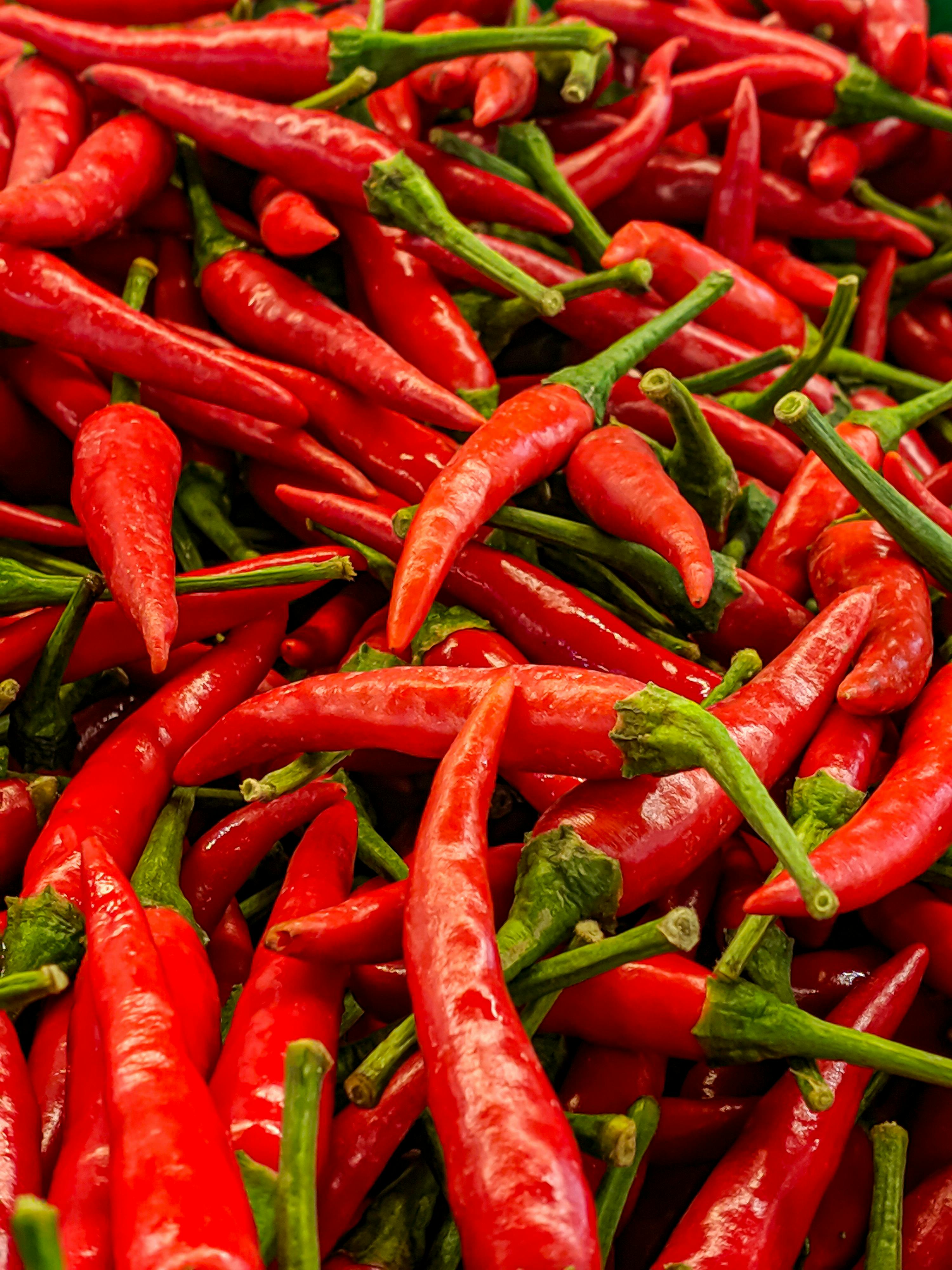
Key Takeaways
- Spiciness is not one of the five basic tastes. Chilli activates pain- and temperature-sensitive nerves through a process called chemesthesis.
- Capsaicin is responsible for much of the burn. It activates TRPV1 receptors, which also respond to potentially harmful heat.
- Spicy food can trigger sweating, tears and a racing heartbeat because the nervous system responds to the perceived threat.
- Enjoying chilli is partly learned. Genetics, cultural familiarity, repeated exposure and individual psychology all contribute.
- Milk and yoghurt generally work better than water for calming capsaicin burn, although no remedy works perfectly.
- Spicy food has potential metabolic effects, but they are modest. Eating chilli is not an established weight-loss treatment.
- Studies associate regular chilli consumption with lower mortality, but they do not demonstrate that chilli itself causes people to live longer.
- Ordinary culinary amounts are generally tolerated by healthy adults, while extreme chilli challenges and concentrated extracts can pose genuine risks.
1. Why Chilli Feels Hot When It Is Not Actually Hot
Imagine two bowls of soup.
One is steaming because it has just left the stove. The other is completely cold but contains a powerful chilli sauce.
Both might produce an intense burning sensation in your mouth, yet the physical causes are fundamentally different.
Hot soup transfers thermal energy into your tissues. If it is hot enough, that energy can cause burns. Chilli sauce produces a similar warning signal through chemistry instead of temperature.
The distinction is important because our brains do not directly experience the outside world. They interpret electrical messages arriving from sensory nerves.
When capsaicin touches nerve endings in your mouth, it activates molecular detectors involved in sensing harmful heat. Those nerves send signals toward the brain, which interprets them as burning.
In other words, chilli presses a biological alarm button without necessarily creating the danger that button normally detects.
Spiciness is not a basic taste
Human taste is commonly described through five basic categories:
- Sweet
- Sour
- Salty
- Bitter
- Umami
These sensations arise through specialized taste-receptor cells.
Spiciness operates differently. The burning feeling belongs to a broader category known as chemesthesis, in which chemical substances stimulate sensory nerves responsible for irritation, temperature or pain.
This category also includes the cooling sensation of menthol, the tingling of certain carbonated drinks and the sharp nasal irritation of mustard or wasabi.
The trigeminal nerve plays a major role in carrying these sensations from the face and mouth.
That is why you can experience sweetness and burning simultaneously when eating sweet chilli sauce. They are different signals that the brain combines into one overall flavor experience.
Flavor is not just taste. It is a collaboration among taste, smell, temperature, texture and chemical irritation.
2. Capsaicin: The Molecule Behind the Fire
Capsaicin is a naturally occurring chemical found primarily in peppers belonging to the genus Capsicum.
It is one of several related substances called capsaicinoids.
Its concentration varies considerably among pepper varieties. Sweet bell peppers contain essentially no capsaicin, whereas certain superhot varieties contain extraordinary amounts.
Capsaicin is concentrated mainly in the pale internal tissue to which the seeds attach, commonly called the placenta. Although chilli seeds can carry capsaicin on their surfaces, they are not generally the main site where it is produced.
This distinction helps explain why removing the pale interior of a pepper can noticeably reduce its heat.
Why did peppers evolve this chemical?
Capsaicin did not evolve to entertain adventurous diners.
Researchers have investigated its possible ecological functions, including defense against certain mammals and pathogens.
Many birds are comparatively insensitive to the pungent effect of capsaicin and can disperse pepper seeds after eating the fruit.
This arrangement may benefit wild pepper plants because birds can transport seeds while some mammals are discouraged from eating them.
The evolutionary story is complicated, however. Pepper species experience different environmental pressures, and not every hot pepper has the same chemical composition.
The familiar explanation that capsaicin exists simply to stop mammals from eating peppers captures part of the picture, but it is not a complete account of the compound's evolution.
3. TRPV1: The Tiny Receptor That Won a Nobel Prize
One of the most important discoveries in spicy food science concerns a protein with an intimidating name: transient receptor potential vanilloid 1, or TRPV1.
Think of TRPV1 as a tiny security sensor embedded in the membrane of certain sensory neurons.
Under normal circumstances, this sensor can respond to dangerously high temperatures. It can also be activated by capsaicin and influenced by acidic conditions and inflammatory signals.
When activated, the channel opens, allowing positively charged ions to move into the nerve cell.
This changes the cell's electrical activity and helps initiate the messages that eventually reach the brain.
The result is the familiar sensation of heat or pain.
The discovery that changed sensory neuroscience
In 1997, David Julius and colleagues identified the receptor that responds to capsaicin.
Their research helped establish how heat-sensitive ion channels contribute to our perception of potentially damaging temperatures.
Julius subsequently shared the 2021 Nobel Prize in Physiology or Medicine with Ardem Patapoutian for discoveries concerning temperature and touch receptors.
The importance of this work extends far beyond chilli peppers.
Understanding TRPV1 has contributed to research into pain, inflammation, nerve signaling and possible therapies for chronic pain conditions.
Scientists also use capsaicin as a research tool because it provides a way to activate particular sensory pathways.
It is a remarkable example of how an everyday food ingredient helped answer a fundamental question about human biology.
4. Why Spicy Food Makes You Sweat, Cry and Reach for Water
The experience of eating hot chilli often involves much more than a burning tongue.
Your forehead may become sweaty. Your eyes might water. Your nose can begin running, and your face may turn red.
These responses happen because capsaicin stimulates sensory pathways that communicate with the nervous system's protective and autonomic responses.
Sweating: The body's cooling machinery
When the brain interprets signals associated with heat, it can stimulate sweating.
This response is sometimes called gustatory sweating when triggered by eating.
Sweat normally helps regulate body temperature through evaporation. In the case of spicy food, however, the response may occur even without a significant increase in core body temperature.
Your brain is responding partly to the sensation of heat rather than to actual overheating.
Tears and a runny nose
Spicy food can stimulate reflex secretions from the eyes and nasal passages.
These secretions help protect sensitive surfaces from irritating substances.
The result can be watery eyes, a dripping nose and the sudden need for tissues during a meal.
These reactions do not necessarily indicate an allergy.
An actual food allergy involves immune mechanisms and may cause symptoms such as hives, swelling, wheezing or breathing difficulties. Such symptoms require a different level of attention.
Why your heart may beat faster
Intense pain or discomfort can temporarily activate physiological stress responses.
Some people experience a faster heartbeat, increased alertness or a feeling of excitement after eating very hot food.
These reactions are particularly noticeable during extreme chilli challenges.
However, the precise response varies among individuals, and ordinary spicy meals should not be equated with dangerous cardiovascular stress.
5. Why Pain Can Become Pleasure
Perhaps the strangest aspect of spicy food is that people often enjoy the very sensation their bodies identify as unpleasant.
How can a warning signal become something desirable?
Part of the answer lies in the relationship between pain, emotion, expectation and reward.
The human brain does not treat every unpleasant sensation as a disaster. Context matters.
A frightening sound in a horror movie feels different from the same sound heard outside your bedroom window.
Similarly, a burning sensation caused by chilli can be interpreted differently when someone knows they are safely eating a favorite meal.
Endorphins and the natural pain-response system
Endorphins are chemicals produced by the body that participate in pain regulation and other physiological processes.
It is often claimed that spicy food triggers a dramatic endorphin rush that explains why people become addicted to chilli.
The underlying idea is plausible: painful stimuli engage endogenous pain-modulating systems, and intense sensations may be followed by relief or positive feelings.
However, the evidence that ordinary spicy meals consistently produce a measurable endorphin surge responsible for enjoyment is limited.
It would be inaccurate to describe every pleasurable spicy-food experience as a scientifically proven endorphin high.
Dopamine, anticipation and reward
Dopamine is involved in motivation, learning and reward-related behavior.
When someone anticipates a favorite spicy dish, the brain's reward systems can respond to its expected flavor and enjoyment, as they do with many other desirable foods.
This does not mean capsaicin functions like an addictive drug.
Rather, learned associations, flavor, anticipation and social context may help make the experience rewarding.
For some people, the relief that follows intense heat becomes part of the pleasure.
The burn rises, peaks and eventually fades. The diner experiences both the challenge and the satisfaction of completing it.
Psychologists have sometimes described this kind of safe enjoyment of unpleasant sensations as benign masochism.
Spicy food may offer a small, controlled encounter with discomfort inside an otherwise enjoyable activity.
6. Why Some People Love Spicy Food and Others Hate It
Consider two friends sharing a plate of chilli noodles.
One adds an extra spoonful of sauce. The other feels overwhelmed after a single bite.
The difference is not simply courage or willpower.
Spicy-food preferences emerge from several interacting influences.
Genetics and biological sensitivity
People vary in their sensitivity to capsaicin, their perception of oral irritation and their general sensory responsiveness.
Genetic variation in sensory pathways is one possible contributor.
However, researchers have not identified a single simple gene that determines whether someone loves chilli peppers.
Genes may influence sensitivity, but personal preferences develop through experience.
Culture and childhood exposure
A child raised in a household where chilli is frequently used may become familiar with its sensation and associate it with enjoyable family meals.
Someone who rarely encounters spicy food may interpret the same intensity as unpleasant or alarming.
Cultural exposure influences not only tolerance but also expectations.
If chilli is considered an ordinary part of lunch rather than an extreme challenge, its burn may become familiar instead of threatening.
It is important not to assume that everyone from a particular country or region enjoys strong heat. Preferences vary widely within every culture.
Personality and sensation seeking
Some studies have found associations between enjoyment of spicy food and characteristics such as sensation seeking.
People who enjoy novelty or intense experiences may be more willing to experiment with increasingly hot dishes.
But personality is only one part of the explanation.
Many people who dislike roller coasters love fiery curries, while adventurous travelers may prefer mild food.
Spicy-food preference is not a reliable personality test.
7. Can You Really Build a Tolerance to Chilli?
Yes. Repeated exposure can change the way a person experiences capsaicin.
With regular consumption, the same level of chilli may feel less intense over time.
Researchers describe part of this process as desensitization.
Repeated activation of capsaicin-sensitive sensory pathways can lead to changes in their responsiveness.
At the same time, the brain learns that the sensation is predictable and usually temporary.
A person may therefore become both physiologically less responsive and psychologically more comfortable.
Tolerance is not invincibility
Developing tolerance does not make someone immune to every harmful effect of concentrated capsaicin.
A person accustomed to spicy meals can still experience severe gastrointestinal symptoms after consuming an extremely concentrated extract.
Likewise, being able to tolerate intense mouth burning does not establish that a product is safe for the stomach or other organs.
Tolerance is best understood as an adaptation in perceived sensation, not a guarantee of protection.
A sensible approach to increasing tolerance
Start with a small amount of mild chilli in food you already enjoy.
Increase the amount gradually over multiple meals, allowing time to judge your comfort.
Pay attention to symptoms beyond the mouth. Persistent abdominal pain, worsening reflux or diarrhea are reasons to reduce the heat.
There is no medical reason to push yourself toward extreme peppers.
Enjoying moderate spice is a perfectly valid endpoint.
8. The Scoville Scale: Measuring Heat Without a Thermometer
Not all chilli peppers produce the same level of burning.
The Scoville scale provides a way to compare their pungency.
It was developed in 1912 by American pharmacist Wilbur Scoville.
The original method involved diluting pepper extracts and asking human tasters when the heat could no longer be detected.
Modern laboratory methods can measure capsaicinoid concentrations more consistently, with results converted into Scoville Heat Units, commonly abbreviated SHU.
The scale is not a temperature measurement. A pepper rated at one million SHU is not physically hotter than one rated at ten thousand SHU.
Instead, the numbers reflect pungent chemical content.
How hot are popular chillies?
| Chilli variety | Approximate Scoville Heat Units |
|---|---|
| Bell pepper | 0 |
| Poblano | 1,000–2,000 |
| Jalapeño | 2,500–8,000 |
| Serrano | 10,000–23,000 |
| Cayenne | 30,000–50,000 |
| Thai bird's eye | 50,000–100,000 |
| Habanero | 100,000–350,000 |
| Ghost pepper | 800,000–1,100,000 |
| Carolina Reaper | Around 1,640,000 average |
| Pepper X | 2,693,000 average |
These values are approximate. Heat varies with genetics, growing conditions, ripeness, processing and testing methods.
Some commonly quoted varieties have especially wide ranges.
The world's hottest officially recognized chilli in 2026
As of November 2026, Pepper X remains the hottest chilli verified by Guinness World Records.
Developed by Ed Currie, the same breeder responsible for the Carolina Reaper, Pepper X earned its record with an average measured value of 2,693,000 SHU.
Guinness announced the record on October 16, 2023, and continued identifying Pepper X as the record holder in 2026.
That is an extraordinarily high concentration of pungent compounds.
Yet the number should not be treated as an invitation to experiment.
The most extreme chilli peppers and extracts can cause far more than a brief uncomfortable mouth sensation.
9. Why the Same Pepper Can Taste Different Every Time
Have you ever eaten two chillies from the same packet and found that one was considerably hotter?
Several factors can explain the difference.
A plant's variety establishes much of its potential capsaicinoid production, but environmental conditions also matter.
Temperature, water availability, plant development and growing conditions may affect the chemical composition of the fruit.
Individual peppers from the same plant can differ as well.
Cooking introduces another complication.
Drying removes water and concentrates substances by weight. Fermentation changes flavor and acidity. Cooking distributes capsaicin through sauces, oils and other ingredients.
Capsaicin is relatively stable under ordinary cooking conditions, so simmering a spicy sauce does not automatically eliminate its heat.
Mixing a small amount of strong chilli into a large dish can reduce the intensity of each mouthful without removing the capsaicin itself.
That is why a sauce may taste manageable when mixed into rice but overwhelming when sampled directly from the spoon.
10. What Spicy Food Really Does to Your Stomach
A popular myth claims that chilli peppers burn holes in the stomach lining.
For most healthy people eating normal culinary amounts, that description is misleading.
The stomach is designed to tolerate an acidic environment and is protected by mucus, bicarbonate and other defensive mechanisms.
Capsaicin can stimulate sensory nerves within the digestive tract, influencing sensations and certain gastrointestinal responses.
Whether those effects feel pleasant, neutral or uncomfortable depends on the person, the dose and the condition of the digestive system.
Does chilli cause stomach ulcers?
Spicy food is not considered a primary cause of peptic ulcers.
The leading causes are infection with Helicobacter pylori bacteria and the use of nonsteroidal anti-inflammatory drugs, such as ibuprofen or aspirin.
The U.S. National Institute of Diabetes and Digestive and Kidney Diseases explains that diet is not generally a major factor in causing, preventing or treating peptic ulcers.
Nevertheless, spicy food may worsen discomfort in someone who already has an ulcer.
If an individual experiences pain after eating chilli, the sensible response is to avoid the trigger while obtaining medical advice about the underlying problem.
Why intense heat can cause stomach cramps
Large amounts of capsaicin can provoke nausea, abdominal discomfort, cramping or vomiting.
The symptoms arise partly because sensory receptors and gastrointestinal signaling pathways respond to the compound.
A strong oral tolerance does not necessarily predict gastrointestinal tolerance.
Concentrated chilli products are especially problematic because they can deliver a large dose very quickly.
11. Acid Reflux, IBS and Sensitive Digestion
Some digestive conditions make spicy meals harder to tolerate.
One common example is gastroesophageal reflux disease, or GERD.
People with reflux may experience burning behind the breastbone, sour-tasting fluid rising into the throat or discomfort after eating.
Spicy food does not trigger identical symptoms in everyone, but it is a recognized potential aggravating factor.
The NIDDK recommends identifying individual food triggers rather than assuming every person with reflux must follow the same restrictive diet.
Irritable bowel syndrome and chilli
Irritable bowel syndrome, or IBS, can involve abdominal pain, bloating, diarrhea, constipation or combinations of these symptoms.
Capsaicin may intensify unpleasant sensations in people with visceral hypersensitivity, a condition in which the digestive tract responds more strongly to stimuli.
Some individuals with IBS find that chilli aggravates pain or bowel urgency.
However, a spicy meal can contain several other possible triggers, including large amounts of fat, garlic, onion or fermentable carbohydrates.
The chilli may not always be the only culprit.
For people with persistent symptoms, a food-and-symptom diary can be more informative than eliminating entire cuisines without a clear reason.
12. Does Spicy Food Speed Up Your Metabolism?
Capsaicin has attracted considerable attention in weight-management research.
Some studies suggest that capsaicin and related compounds can modestly increase energy expenditure or influence appetite and fat oxidation.
The mechanisms may involve sensory and metabolic pathways, including TRPV1-related signaling.
However, the effects observed in human studies are generally small.
A critical review and meta-analysis published in Chemical Senses concluded that capsaicin and capsiate can influence energy balance, but the magnitude is modest.
Why the calorie-burning claim is exaggerated
Imagine walking around your neighborhood for an hour and then discovering a product that promises to replace the walk with a few drops of hot sauce.
That is not what the research supports.
Even if a spicy meal temporarily increases energy expenditure, the difference is usually too small to produce substantial weight loss on its own.
Long-term body weight is influenced by dietary patterns, activity, sleep, medications, biology and other factors.
There is also an important difference between capsaicin in food and purified capsaicin supplements used in experimental studies.
Their doses, absorption and effects may not be comparable.
Can chilli reduce appetite?
Some small studies suggest that capsaicin may influence hunger, satiety or subsequent food intake.
But results vary, and the effects are not sufficiently consistent to justify recommending chilli as a reliable appetite suppressant.
Spicy food can also make a meal more appealing, potentially increasing how much someone eats.
The overall experience depends on the person and the food.
13. Spicy Food, Heart Health and Longevity: What the Studies Show
This is where the science becomes particularly interesting—and where careful interpretation matters most.
Several large observational studies have found that people who regularly eat chilli peppers tend to have lower rates of death from certain causes than people who rarely consume them.
A 2021 meta-analysis of four prospective cohort studies included approximately 565,000 adults.
Regular consumers of spicy chilli foods had an estimated 12% lower relative risk of death from any cause and an 18% lower relative risk of death from cardiac diseases compared with people who rarely ate spicy food.
The researchers emphasized that further studies were needed.
Another meta-analysis reported similar associations but stated that available evidence could not establish an optimal amount or method of chilli consumption.
What a 12% lower relative risk actually means
Suppose one group has a 10% risk of a particular outcome over a specified period.
A 12% relative reduction would correspond to a risk of 8.8%, not a fall to zero and not a 12-percentage-point reduction.
The example is illustrative, not an estimate of the actual absolute benefit of chilli consumption.
The distinction between relative and absolute risk matters whenever nutritional research makes headlines.
Why observational research cannot prove causation
Imagine two groups of people.
One regularly eats chilli alongside vegetables, beans and home-cooked meals. The other eats less chilli but follows a very different overall diet.
If the first group experiences better health outcomes, chilli may be one factor among many—or simply a marker of broader habits.
Researchers try to adjust for factors such as age, smoking, physical activity and dietary patterns.
But statistical adjustments cannot remove every possible confounding influence.
Other limitations include self-reported dietary habits, variations in chilli preparation and differences among the populations being studied.
The available findings support further investigation. They do not prove that adding hot sauce to an unhealthy diet will prevent cardiovascular disease.
Could capsaicin have beneficial biological effects?
Laboratory and animal studies have examined possible effects on inflammation, vascular function, metabolic signaling and other biological processes.
Some findings are promising.
But results obtained from isolated cells, animal models or concentrated experimental doses cannot automatically be applied to ordinary human meals.
The question is not simply whether capsaicin can affect a biological pathway.
It is whether consuming practical amounts of chilli consistently improves meaningful health outcomes in humans.
That question remains incompletely answered.
14. Does Chilli Affect the Gut Microbiome?
The human digestive tract contains vast communities of microorganisms collectively called the gut microbiome.
These microorganisms interact with digestion, immune function and many other aspects of physiology.
Researchers have investigated whether capsaicin and chilli-containing diets influence microbial composition.
Experiments suggest that dietary compounds can alter the gut environment and affect microbial populations.
However, findings from animals or highly controlled diets cannot establish that chilli reliably improves the human microbiome.
Why microbiome claims require caution
A change in bacterial abundance is not automatically beneficial.
The microbiome is extraordinarily complex, and scientists do not yet have a single universally applicable definition of an ideal microbial community.
The effects of a spicy meal also depend on its other ingredients.
A chilli-rich bean stew provides fiber and plant compounds that differ substantially from those in an ultra-processed snack coated with chilli powder.
For now, the strongest general dietary advice for supporting gut health remains focused on overall dietary quality, adequate fiber and variety rather than chasing a particular pepper.
15. Can Spicy Food Reduce Inflammation or Fight Cancer?
Capsaicin has been studied for a range of possible biological activities, including effects on inflammatory signaling and cell behavior.
Certain laboratory experiments have observed changes in cancer-related pathways after exposure to capsaicin.
Such findings often generate exciting headlines.
But a substance affecting cancer cells in a laboratory dish is not evidence that eating it prevents or treats cancer in humans.
A concentration that changes cell behavior under experimental conditions may be impossible or unsafe to reproduce through diet.
And biological effects can vary substantially depending on exposure level, tissue type and experimental design.
The distinction between possibility and proof
It is reasonable to say that capsaicin is an active area of biomedical research.
It is not reasonable to claim that hot peppers cure cancer or should replace established medical treatment.
Human research on chilli intake and disease outcomes remains complicated by dietary differences and other confounding factors.
The healthfulness of a chilli-containing meal often depends more on the overall ingredients than on the presence of capsaicin alone.
16. Capsaicin Outside the Kitchen: A Medical Use for the Burn
Interestingly, capsaicin has recognized applications in pain management.
Certain topical capsaicin creams and prescription-strength patches are used for selected pain conditions.
At first, this may sound contradictory.
Why would a chemical that causes burning help relieve pain?
The answer involves the behavior of capsaicin-sensitive sensory nerve endings.
Repeated or high-concentration exposure can temporarily reduce the responsiveness of certain pain-signaling pathways.
This is different from the brief burning sensation produced by an ordinary meal.
Medical capsaicin products have specific formulations, concentrations and instructions.
They may themselves cause considerable local discomfort and are not appropriate for every type of pain.
Rubbing homemade chilli paste onto painful skin is not equivalent to using an approved medical treatment and can cause injury.
The medical application illustrates an important principle: biological effects depend on dose, formulation, location and context.
17. The Risks of Very Hot Chillies and Viral Eating Challenges
A few drops of ordinary chilli sauce added to dinner are not comparable to swallowing a spoonful of concentrated capsaicin extract.
Extremely hot products can deliver large doses of irritants that provoke severe symptoms.
Reported effects include intense oral pain, vomiting, abdominal cramping and significant distress.
Rare case reports have also described serious neurological complications following exceptionally hot chilli ingestion.
One published case involved a teenager who developed reversible cerebral vasoconstriction syndrome and a cerebellar infarct after eating a Carolina Reaper on a dare.
These cases do not establish that ordinary spicy food routinely causes such events. They do demonstrate why extreme challenges should not be dismissed as harmless entertainment.
Who should take particular care?
People with severe reflux, active digestive symptoms or conditions aggravated by capsaicin may need to limit spicy food.
Children deserve special protection from concentrated chilli products. Their lower body weight, limited experience and difficulty recognizing danger make eating challenges particularly inappropriate.
Anyone who develops serious symptoms after extreme chilli exposure should seek medical help.
Warning signs include difficulty breathing, chest pain, fainting, sudden severe headache, persistent vomiting or severe abdominal pain.
Handling concentrated chilli safely
Capsaicin can irritate skin and eyes.
When preparing very hot chillies, use appropriate food-handling precautions, avoid touching your face and wash hands and utensils thoroughly.
Gloves may be useful when handling large quantities of superhot peppers.
Never deliberately expose the eyes to chilli, and keep concentrated sauces and extracts away from young children.
Spicy food should be about enjoyment, not proving physical endurance.
18. How to Cool the Burn: Why Milk Works Better Than Water
The instinctive response to a mouthful of intense chilli is to grab a glass of water.
Unfortunately, water often provides surprisingly little lasting relief.
Capsaicin is poorly soluble in water, and simply rinsing the mouth may not remove it effectively from the surfaces where it interacts with sensory nerves.
A cold drink may briefly feel soothing because of its temperature, but the burning sensation can quickly return.
Milk and yoghurt
Milk is one of the better-studied household remedies.
Researchers have investigated the roles of milk proteins, fat and temperature in reducing capsaicin burn.
A 2019 study found that skim and whole milk performed particularly well among tested drinks, and later research suggests that protein content contributes to the effect.
Casein, a major protein in dairy milk, can interact with capsaicin under certain experimental conditions.
However, the mechanism is more complicated than the popular claim that casein simply washes every capsaicin molecule away.
Not all studies using isolated milk proteins have found equally strong effects.
Yoghurt may also provide relief because it contains dairy proteins and offers a cool, creamy texture.
Bread, rice and other starchy foods
Starchy foods can help make the experience more manageable.
A bite of bread, rice or another bland food may physically dilute or absorb some of the spicy sauce in the mouth, while adding a less irritating texture.
The scientific evidence for starch as a capsaicin antidote is more limited than the evidence for milk.
Still, it is a practical option when dairy products are unavailable.
What about sugar?
Sweetness can change the overall perception of a spicy sensation, and some experiments have found that sweetened drinks reduce reported oral burn.
However, this does not mean sugar chemically neutralizes capsaicin.
Extremely sugary drinks should not be treated as medically necessary remedies.
The practical cooling guide
| Food or drink | Likely usefulness | Why |
|---|---|---|
| Cold milk | Often helpful | Proteins, temperature and other properties can reduce perceived burn |
| Plain yoghurt | Often helpful | Dairy proteins and cool, thick texture |
| Soy milk | May help | Some studies find benefits from protein-containing plant milk |
| Bread or rice | May help | Dilutes or removes some sauce and provides bland food |
| Cold water | Limited relief | Cools briefly but does not remove capsaicin effectively |
| Fizzy drinks | Unreliable | Carbonation may add irritation |
| Alcohol | Not recommended | Unreliable as a remedy and can create other risks |
For ordinary culinary heat, small sips of milk or bites of bland food are reasonable.
For extreme exposure accompanied by serious symptoms, household remedies are not a substitute for medical care.

19. Spicy Food Around the World in 2026
Chilli peppers are now central to food cultures far beyond the Americas, where Capsicum originated.
Their spread through global trade reshaped cuisines across Asia, Africa and Europe.
Today, chilli is both a traditional ingredient and a flexible part of modern food culture.
Mexico: Chilli as flavor, not just heat
Mexican cooking uses an extraordinary range of fresh and dried chillies.
Ancho, guajillo, pasilla, chipotle and habanero peppers contribute different combinations of sweetness, fruitiness, smokiness, bitterness and pungency.
The goal is often complexity rather than maximum heat.
A rich mole sauce may contain multiple chilli varieties without being overwhelmingly spicy.
India: Layers of spice
Indian cuisines use chillies alongside turmeric, cumin, coriander, mustard seeds, ginger and numerous other ingredients.
Regional preparations vary widely.
Some dishes are fiery, while others are mild and aromatic.
Treating Indian cuisine as uniformly hot overlooks its diversity.
China: More than one kind of heat
Sichuan cuisine is especially known for combining chilli with Sichuan peppercorns.
Sichuan pepper produces a tingling, numbing sensation associated with compounds such as hydroxy-alpha-sanshool.
This differs from the burning created by capsaicin.
Together, the sensations produce the famous málà combination of numbing and spicy heat.
Korea: Fermentation and modern spicy-food culture
Korean dishes such as kimchi, tteokbokki and chilli-rich stews demonstrate how heat can accompany fermented, sweet, savory and sour flavors.
Spicy instant noodles have also become highly visible in online food culture.
Their popularity has helped introduce younger international audiences to certain Korean flavors, although extreme noodle challenges sometimes shift attention away from culinary enjoyment toward endurance.
Thailand: Balance and brightness
Thai cuisine often combines chilli with lime, herbs, fish sauce and sweetness.
In a good dish, heat supports the other flavors rather than overwhelming them.
The overall balance is part of what makes the cuisine distinctive.
Morocco and North Africa: Harissa and regional traditions
Across North Africa, chilli appears in pastes, sauces, marinades and preserved preparations.
Harissa is especially associated with Tunisia but is widely familiar across the region.
Moroccan cooking also uses hot peppers and spicy condiments, although many classic dishes emphasize aromatic complexity rather than intense chilli heat.
A little harissa alongside grilled meat, lentils or vegetables can provide a warming contrast.
The global hot-sauce phenomenon
By 2026, speciality hot sauces, fermented chilli products and superhot pepper varieties continue to attract attention from food enthusiasts.
Social media has made it easier for home cooks to discover sauces and dishes from different regions.
Yet popularity online does not always reflect everyday eating habits.
A viral pepper challenge may be spectacular, but the more enduring culinary story is how chilli can deepen flavor when used thoughtfully.
20. Is Spicy Food Healthy? The Food Around the Chilli Matters
A chilli pepper is an ingredient, not a complete dietary strategy.
Fresh peppers can provide nutrients and plant compounds, including vitamin C and carotenoids, although amounts depend on variety and serving size.
But the nutritional quality of a spicy dish depends on everything else it contains.
Consider three examples.
A vegetable-and-bean stew seasoned with fresh chilli may supply fiber, protein and a range of micronutrients.
A heavily salted, deep-fried snack coated with chilli powder has a very different nutritional profile.
A sugary hot sauce may contain capsaicin, but its overall composition still matters.
This is why describing all spicy food as healthy—or unhealthy—misses the point.
The importance of preparation
Cooking methods, portion sizes, sodium content, added sugars and the broader dietary pattern all influence health.
Chilli can make vegetables, legumes and other nutritious foods more appealing.
For someone who enjoys spice, this may be a practical benefit: it helps create satisfying meals without relying entirely on extra salt or rich sauces.
But there is no need for people who dislike chilli to force themselves to eat it.
Excellent nutrition is possible with or without spicy food.
21. Five Myths About Spicy Food That Need Retiring
Myth 1: Spicy food burns holes in your stomach
Ordinary consumption does not literally burn through the stomach lining.
Peptic ulcers are most commonly associated with H. pylori infection and certain medications, although chilli may aggravate symptoms in some people.
Myth 2: More heat means more health benefits
The evidence does not establish that extremely hot peppers are healthier than mild ones.
Increasing capsaicin intake can also increase discomfort and risk.
Myth 3: Drinking water completely removes the burn
Water may briefly cool the mouth, but milk and some other foods often provide more effective relief.
Myth 4: People who love spicy food have tougher stomachs
A person's tolerance for mouth burning does not prove that their digestive tract is protected from irritation.
Myth 5: Chilli makes everyone live longer
Observational studies have identified associations between chilli consumption and lower mortality.
They have not proven that chilli itself causes longer life.
22. How to Enjoy Spicy Food Safely
For most people, the best approach to spicy food involves curiosity, moderation and attention to personal comfort.
Begin with flavors rather than heat rankings.
A mild roasted pepper may contribute sweetness and depth. A small quantity of fresh chilli can brighten a sauce. A little harissa can transform a simple dish.
There is no need to progress toward a million Scoville units.
If you enjoy experimenting, try different chilli varieties in small amounts.
Notice how their flavors differ. Some are fruity; others are grassy, smoky or earthy.
Balance them with acidic, creamy, sweet or starchy ingredients according to the dish.
Eat slowly enough to recognize when the burn becomes unpleasant.
And remember that the sensation may intensify for a short time after swallowing.
For people with digestive conditions, it is sensible to follow individual medical advice and avoid foods that repeatedly aggravate symptoms.
Most importantly, do not confuse discomfort with achievement.
The ideal level of heat is the one that makes the meal more enjoyable.
23. What Scientists Still Do Not Know
Although researchers understand the basic mechanism of capsaicin-induced burning very well, several important questions remain open.
One concerns the relationship between spicy-food preference and brain reward systems.
Scientists know that expectation, learning, sensory responses and emotional context shape enjoyment. But the exact contribution of specific neurotransmitters during ordinary spicy meals remains difficult to establish.
Another uncertainty involves long-term health effects.
Large observational studies provide useful clues about dietary patterns, but better-controlled human research is needed to determine whether capsaicin itself improves cardiovascular or metabolic outcomes.
Researchers are also investigating how different doses and forms of capsaicin affect the digestive tract, microbiome and pain signaling.
A concentrated supplement may have a different biological impact from a small amount of chilli in a mixed meal.
Finally, scientists are still exploring why sensory tolerance develops differently among individuals and how experience interacts with biological sensitivity.
These questions make chilli scientifically fascinating without requiring exaggerated promises.
Frequently Asked Questions About Spicy Food
1. Why does spicy food feel hot even when it is cold?
Capsaicin activates TRPV1 receptors on sensory nerve endings. These receptors also participate in detecting painful heat, so the brain interprets capsaicin stimulation as burning even when the food itself is cold.
2. Is spicy food actually a taste?
Not in the same sense as sweet, sour, salty, bitter or umami. Spicy burning is primarily a chemesthetic sensation carried by sensory nerves.
3. What chemical makes chilli peppers spicy?
Capsaicin is the best-known chemical responsible for chilli heat. Other related capsaicinoids also contribute to pungency.
4. Why do some people love spicy food?
Enjoyment can result from cultural exposure, learned familiarity, flavor associations, individual sensory sensitivity and psychological factors. No single explanation accounts for everyone.
5. Does spicy food release endorphins?
Painful stimulation can engage the body's pain-regulating systems, but claims of a predictable endorphin rush after every spicy meal are stronger than the evidence currently supports.
6. Can eating spicy food make you happier?
Some people experience excitement or pleasure from spicy meals. However, chilli has not been established as a treatment for depression, anxiety or other mental health conditions.
7. Does spicy food burn calories?
Capsaicin can modestly influence energy expenditure in some studies. The effect is generally small and should not be considered a meaningful replacement for established weight-management strategies.
8. Can spicy food help with weight loss?
Evidence for a clinically important, sustained weight-loss benefit is limited. Overall dietary habits and energy balance are much more influential.
9. Does chilli cause stomach ulcers?
Spicy food is not a principal cause of peptic ulcers. H. pylori infection and nonsteroidal anti-inflammatory drugs are major causes. However, chilli may worsen discomfort in someone who has an ulcer.
10. Is spicy food bad for acid reflux?
It can trigger or worsen symptoms in some people with reflux. Individual responses differ, so identifying personal triggers is generally more useful than assuming everybody must avoid every spicy dish.
11. Can spicy food cause diarrhea?
Yes. Large amounts of capsaicin can provoke gastrointestinal symptoms, including diarrhea or bowel urgency, particularly in sensitive individuals.
12. Is chilli safe during pregnancy?
Ordinary amounts of spicy food are generally considered acceptable if tolerated, but pregnancy-related heartburn or nausea may make some dishes uncomfortable. Highly concentrated chilli products and supplements warrant additional caution and medical advice.
13. Can children eat spicy food?
Children can gradually become familiar with mildly seasoned foods, depending on age, preferences and tolerance. Extremely hot sauces, concentrated extracts and chilli-eating challenges are inappropriate.
14. What is the hottest chilli in the world in 2026?
Pepper X remains the Guinness World Records-recognized hottest chilli, with an average rating of 2,693,000 Scoville Heat Units.
15. Why does milk help with spicy food?
Milk contains proteins and other components that can reduce perceived capsaicin burn. Research suggests protein concentration, fat and temperature can all contribute, depending on the conditions.
16. Why doesn't water work as well?
Capsaicin is poorly soluble in water, so water may cool the mouth without effectively removing the irritant. The burning can therefore continue.
17. Does spicy food damage your taste buds?
Ordinary spicy meals do not normally permanently destroy taste buds. Very intense exposure can cause temporary irritation or altered sensation. Persistent symptoms should be evaluated.
18. Can you become addicted to spicy food?
People may develop strong preferences and habits around spicy meals, but this is not the same as demonstrating a recognized substance addiction to capsaicin.
19. Does cooking remove chilli heat?
Not necessarily. Capsaicin can remain active during typical cooking. Diluting a dish can reduce the concentration per mouthful, but simply cooking it longer does not reliably eliminate the burn.
20. Is chilli good for the heart?
Observational research has associated regular chilli consumption with favorable cardiovascular outcomes. However, causation has not been established, and chilli is not a substitute for evidence-based heart-health measures.
21. Can spicy food cause a medical emergency?
Rarely, severe reactions or complications can occur after extreme chilli consumption. Symptoms such as chest pain, breathing difficulty, sudden severe headache or persistent vomiting warrant urgent assessment.
22. How often should you eat chilli for health benefits?
There is no scientifically established optimal frequency or dose that guarantees health benefits. The safest practical approach is to enjoy chilli in amounts you tolerate as part of an overall balanced diet.
Conclusion: The Pleasure of a Harmless Fire
Return to that first spoonful of curry.
The burning sensation rising across your tongue is not just an interesting flavor. It is the result of an ancient biological warning system responding to a chemical signal.
Capsaicin activates receptors that help protect us from potentially damaging heat. The brain interprets those signals, the body responds with sweating and tears, and experience helps determine whether the sensation feels alarming or exciting.
For some people, the burn becomes part of the pleasure of eating.
For others, it remains something to avoid.
Both reactions are normal.
The scientific discoveries surrounding chilli peppers illuminate how sensation, learning and emotion work together. They also show why nutritional research must be interpreted carefully.
Capsaicin has genuine biological effects. Some studies suggest potentially interesting associations with human health. But chilli is neither a miracle medicine nor an inherently dangerous ingredient when consumed in ordinary culinary amounts by people who tolerate it.
The strongest reason to enjoy spicy food may be the simplest one: it makes a meal delicious.
A little chilli can bring brightness to a soup, depth to a sauce and excitement to a familiar recipe.
You do not need to break a heat record, ignore your body's warnings or believe extraordinary health claims to appreciate it.
Sometimes the science of spicy food leads us back to the table, where the real reward is not enduring the hottest possible pepper but finding the amount of heat that makes you want another bite.
Sources and Further Reading
The following scientific publications, medical resources and official records support the explanations in this article.
- 1. The Nobel Prize in Physiology or Medicine 2021 — Advanced Information. NobelPrize.org. Detailed scientific background on TRPV1, capsaicin and the discovery of temperature-sensitive ion channels. Read Nobel Prize scientific background.
- 2. The Nobel Prize in Physiology or Medicine 2021 — Press Release. NobelPrize.org. Explanation of David Julius's and Ardem Patapoutian's discoveries of temperature and touch receptors. Read Nobel Prize announcement.
- 3. Guinness World Records: Pepper X Dethrones Carolina Reaper. October 16, 2023. Official record information and the measured Scoville rating of Pepper X. Read Guinness World Records report.
- 4. Ofori-Asenso, R., et al. (2021). Association of Spicy Chilli Food Consumption With Cardiovascular and All-Cause Mortality: A Meta-Analysis of Prospective Cohort Studies. Angiology. Read the study on PubMed.
- 5. Association of Pepper Intake With All-Cause and Specific Cause Mortality — A Systematic Review and Meta-Analysis. Research evaluating observational associations between chilli consumption and mortality outcomes. Read the full research paper.
- 6. Ludy, M. J., Moore, G. E., and Mattes, R. D. (2012). The Effects of Capsaicin and Capsiate on Energy Balance: Critical Review and Meta-Analyses of Studies in Humans. Chemical Senses. Read the metabolism review.
- 7. National Institute of Diabetes and Digestive and Kidney Diseases. Eating, Diet, & Nutrition for GER & GERD. Evidence-based information about dietary triggers in reflux disease. Read NIDDK reflux guidance.
- 8. National Institute of Diabetes and Digestive and Kidney Diseases. Peptic Ulcers. Information about ulcer causes, symptoms and treatment. Read NIDDK ulcer guidance.
- 9. Nolden, A. A., Lenart, G., and Hayes, J. E. (2019). Putting Out the Fire: Efficacy of Common Beverages in Reducing Oral Burn From Capsaicin. Physiology & Behavior. Read the beverage comparison study.
- 10. Farah, B. A., Hayes, J. E., and Coupland, J. N. (2023). The Effect of Dairy Proteins on the Oral Burn of Capsaicin. Journal of Food Science. Read the dairy-protein study.
- 11. Gaiser, J., and Hayes, J. E. (2024). Fat, Protein, and Temperature Each Contribute to Reductions in Capsaicin Oral Burn. Journal of Food Science. Read the 2024 study.
- 12. Fear the Reaper: Reversible Cerebrovascular Vasoconstriction Syndrome After Hot Pepper Ingestion. Published medical case report describing a serious complication after extreme chilli consumption. Read the medical case report.
- 13. U.S. National Library of Medicine, MedlinePlus: Peptic Ulcer. Patient-oriented explanation of ulcer causes and why spicy food is not considered a primary cause. Read MedlinePlus guidance.
Editorial note: This article reflects scientific and medical evidence available through November 2026. The evidence for capsaicin's sensory effects is well established, while many proposed long-term health benefits remain under investigation. Observational associations should not be interpreted as proof of causation. This article is intended for educational purposes and does not replace individualized medical advice. Readers with persistent digestive symptoms, relevant medical conditions or adverse reactions to spicy food should consult a qualified healthcare professional.
The conversation
Post a Comment