
It is a warm afternoon, and you are walking home with a bag of groceries. At first, everything feels normal. Then your shirt begins sticking to your back. A few beads of moisture appear on your forehead. By the time you reach your front door, your palms are damp, your face is glistening, and you are wondering why your body has decided to turn itself into a sprinkler.
Now imagine a completely different moment. You are sitting in a comfortable, air-conditioned room, waiting for an important interview. You are not hot. You have barely moved. Yet your hands suddenly become slippery, and you notice moisture gathering beneath your arms.
Or perhaps you wake in the middle of the night to find your pajamas soaked, even though your bedroom feels cool.
These three situations look similar on the surface: your body is producing sweat. But the signals responsible for that moisture can be surprisingly different.
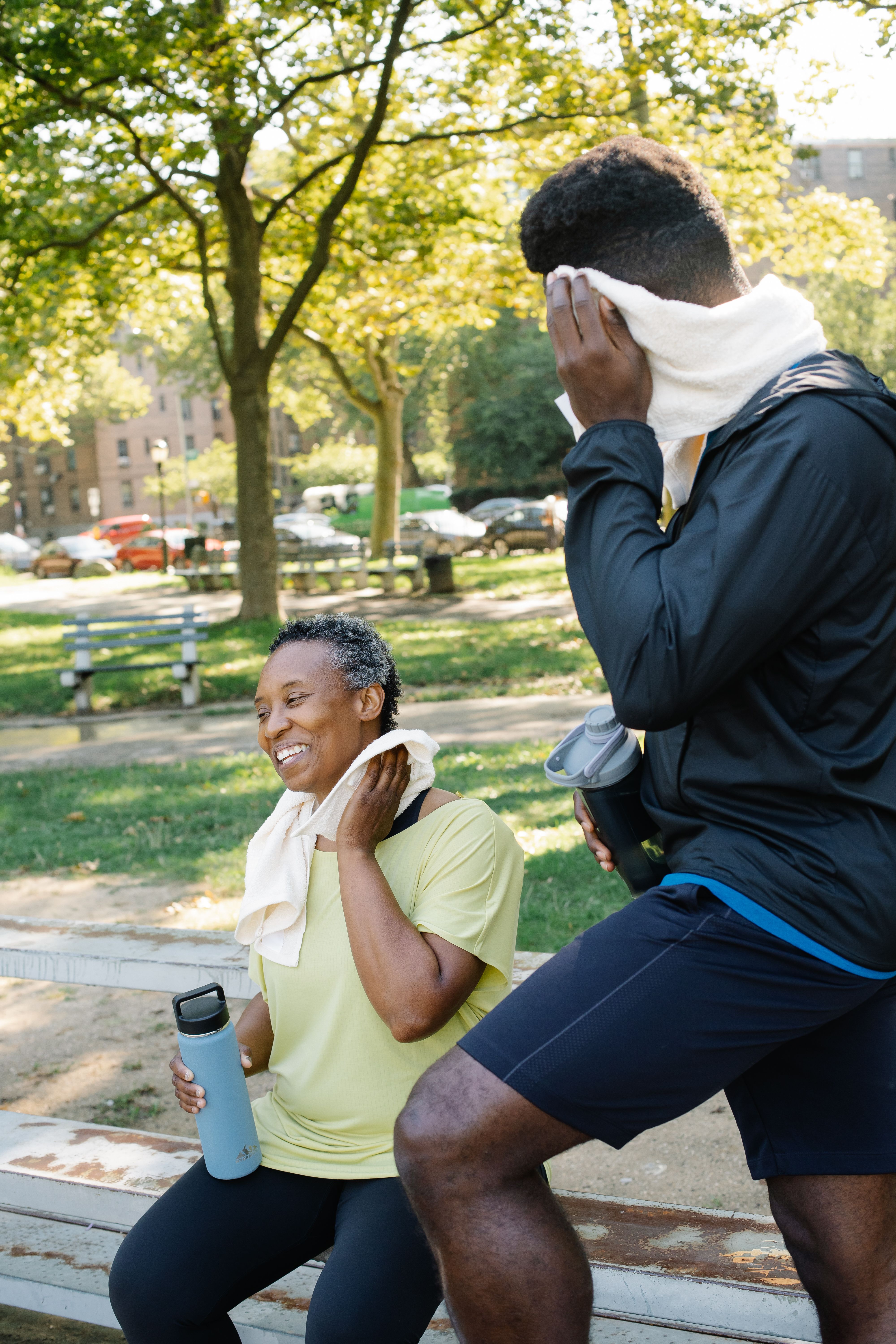
Sweating is one of the human body's most effective survival mechanisms. It prevents dangerous overheating, responds to emotional stress, changes during illness, and sometimes provides clues about what is happening inside us. Yet it is also one of the most misunderstood everyday bodily functions.
Some people believe that sweating heavily means they are unusually fit. Others think perspiration removes dangerous toxins, proves that fat is burning, or signals poor health. None of these claims is reliably true without context.
In 2026, researchers are also exploring wearable sensors that analyze the chemistry of sweat. This has created excitement about a future in which a small patch on your skin might help monitor aspects of your physiology. But the distance between a promising laboratory experiment and a reliable medical diagnosis remains important.
So what is sweat actually doing? Why does it sometimes smell? What can it tell us about hydration, infections, stress, or hormonal changes? And when does an ordinary wet shirt become a reason to seek medical advice?
To understand the answers, we need to begin with an extraordinary cooling system hiding just beneath the skin.
Key Takeaways
- Sweating is primarily a cooling mechanism. Your body releases moisture onto the skin so that evaporation can remove excess heat.
- Most sweat is water, with sodium, chloride, and smaller amounts of other substances.
- Eccrine and apocrine glands perform different roles. Eccrine glands are central to cooling, while apocrine secretions contribute to characteristic body odors after interacting with skin bacteria.
- Fresh sweat is usually nearly odorless. Much of the familiar smell develops when microorganisms break down substances on the skin.
- Sweat volume alone is not a reliable measure of fitness, hydration, or fat loss.
- Stress, fever, hormones, medications, and medical conditions can all influence sweating.
- Persistent unexplained night sweats or sudden changes in sweating deserve medical attention, especially when accompanied by other symptoms.
- Heavy sweating with confusion, fainting, or other severe signs of overheating can indicate an emergency. Heat stroke can occur even when the skin is still sweaty.
- Hyperhidrosis is treatable. Medical options extend beyond ordinary deodorants.
- Sweat-testing wearables are promising, but many advertised health applications still require stronger clinical validation.
1. Why Do Humans Sweat?
Sweating begins with a basic biological challenge: your body must maintain a relatively stable internal temperature while constantly producing and absorbing heat.
Even when you are sitting quietly, your cells are using energy. Your heart is pumping, your brain is processing information, your digestive system is working, and your muscles are maintaining posture.
These processes generate heat.
Exercise increases heat production dramatically because working muscles transform chemical energy into movement and warmth. Hot weather adds an external source of heat, and direct sunlight can make the situation even more demanding.
If the body cannot release enough heat, its internal temperature can climb into a dangerous range.
That is where sweat comes in.
Your Body's Built-In Thermostat
Deep within the brain lies a region called the hypothalamus. It plays a central role in temperature regulation by integrating information about the body's internal temperature and conditions at the skin.
Think of the hypothalamus as the manager of a smart climate-control system.
When conditions become warmer than the body can comfortably tolerate, the nervous system activates responses designed to increase heat loss.
Blood vessels near the skin may widen, allowing more warm blood to reach the surface. Sweat glands also begin secreting fluid.
The moisture itself is only the beginning of the cooling process.
What matters most is what happens afterward.
Why Evolution Made Sweating So Important
Human beings have an unusual capacity to produce large amounts of watery sweat across much of the body.
Many mammals depend more heavily on panting, behavioral cooling, or limited sweating through particular body regions.
Humans developed an especially effective combination of widespread eccrine sweat glands and relatively sparse body hair.
This allows evaporation over a large area of skin.
Researchers have proposed that these adaptations helped our ancestors remain physically active in hot environments, potentially supporting prolonged walking and endurance activity.
Exactly how these characteristics evolved, and which selective pressures contributed most, remains an active subject of evolutionary research.
But the basic advantage is clear: effective evaporative cooling helps humans tolerate sustained physical activity in warm conditions.
2. How Sweating Actually Cools Your Body
Imagine stepping out of a swimming pool on a breezy day.
Even if the water was warm, you may suddenly feel chilly.
That sensation occurs because the water on your skin is evaporating.
To transform liquid water into vapor, energy is required. Much of that energy comes from heat at the skin's surface.
Sweating uses the same physical principle.
Evaporation Is the Real Cooling Mechanism
Your sweat glands release fluid onto the skin. As some of that fluid evaporates, heat is carried away.
This is known as evaporative heat loss.
The important distinction is that sweat does not have to drip down your face to cool you. In fact, sweat that drips onto the ground without evaporating contributes relatively little direct evaporative cooling.
A small amount of sweat that evaporates efficiently can be more useful than a large amount that simply runs off.
That explains why a person may feel cooler on a breezy day than on an equally hot but humid afternoon.
Moving air helps replace the moist air immediately above your skin, making continued evaporation easier.
Why Humidity Makes Heat Feel Worse
Humidity measures how much water vapor is in the air relative to what the air can hold at a given temperature.
When the surrounding air is already very humid, sweat evaporates less efficiently.
Your body may respond by producing even more moisture, but the extra sweat cannot necessarily compensate for the reduced evaporation.
The result can be uncomfortable and dangerous: a person becomes drenched while continuing to accumulate heat.
This is why heat warnings often emphasize humidity as well as air temperature.
Meteorologists and physiologists use different measurements, including heat index and wet-bulb-related measures, to assess heat stress. Each provides useful information, but none fully captures every individual's risk.
Why Fans Help — and Sometimes Do Not
Fans can improve evaporative cooling by moving air across the skin.
They are especially helpful under conditions where air movement promotes evaporation and heat loss.
However, extremely hot environments complicate the picture. Moving very hot air over the body can add heat, particularly when evaporation is inadequate.
According to updated CDC heat guidance, fans should not be relied upon as the main cooling method in very hot indoor conditions.
Air conditioning, access to cooler indoor spaces, hydration, and reducing physical activity are more reliable strategies during dangerous heat.
The lesson is simple: sweating works best when the environment allows that moisture to evaporate.
3. Eccrine vs. Apocrine Sweat Glands: Two Different Systems
Not all sweat glands are alike.
The human body contains millions of sweat glands, but two types are especially important for understanding ordinary perspiration: eccrine and apocrine glands.
Eccrine Glands: Your Main Cooling Network
Eccrine glands are distributed across most of the skin.
They are especially numerous in regions such as the palms, soles, and forehead.
These glands release a thin, watery fluid directly onto the skin's surface.
Their primary purpose is temperature regulation, although they also respond to emotional signals.
Eccrine sweating is responsible for most of the moisture produced during exercise, warm weather, or fever.
The fluid contains predominantly water along with dissolved electrolytes and other compounds.
When the nervous system signals that cooling is required, eccrine glands increase their secretion.
Apocrine Glands: Sweat With a Different Chemistry
Apocrine glands are concentrated in particular hair-bearing regions, especially the underarms and groin.
Unlike eccrine glands, apocrine glands empty their secretions into hair follicles.
Their secretions contain more proteins and lipids than typical eccrine sweat.
Apocrine glands generally become functionally active around puberty, which helps explain why characteristic underarm body odor often becomes more noticeable during adolescence.
They are influenced by emotional and hormonal signals and contribute relatively little to the body's overall evaporative cooling.
The exact evolutionary functions of human apocrine glands are still debated.
Eccrine vs. Apocrine: Quick Comparison
| Feature | Eccrine glands | Apocrine glands |
|---|---|---|
| Main locations | Most of the body | Underarms, groin, selected hair-bearing areas |
| Main function | Temperature control | Specialized secretion; contribution to body odor |
| Secretion | Thin, watery | Richer in proteins and lipids |
| Opening | Directly onto skin | Into hair follicles |
| Activity | From early life | Becomes prominent around puberty |
| Common triggers | Heat, exercise, emotion | Emotional and hormonal signals |
| Odor | Usually minimal when fresh | Can produce distinctive odors after bacterial action |
Both systems are normal components of human biology.
Understanding the difference explains why perspiration on your forehead usually does not smell the same as moisture beneath your arms.
4. What Is Sweat Actually Made Of?
Sweat may look like ordinary water, but chemically it is more complicated.
Typical eccrine sweat is approximately 99% water, although the exact composition varies with the individual, sweat rate, body region, and circumstances.
The remaining fraction includes dissolved salts and small quantities of other substances.
The Main Ingredients of Sweat
Water: The dominant component, essential for evaporative cooling.
Sodium and chloride: The principal electrolytes responsible for sweat's salty taste.
Potassium: Present in smaller quantities and important for normal cellular function.
Calcium and magnesium: Found in varying trace amounts.
Urea and lactate: Compounds that arise through normal metabolic processes and can appear in sweat.
Amino acids and other organic molecules: Present in relatively small concentrations.
The chemical makeup of sweat is not fixed.
Sweat glands first produce a fluid containing water and electrolytes. As that fluid travels through gland ducts, some sodium and chloride are reabsorbed.
The final composition depends partly on how quickly sweat is produced and how effectively the ducts reclaim salts.
Why Some People Have Saltier Sweat
Have you ever noticed white marks on a dark shirt after a long workout?
These deposits may be the residue left when salty sweat evaporates.
Different individuals lose different amounts of sodium in sweat.
Sweat sodium concentration can vary with genetics, acclimatization to heat, and the rate of sweating.
Someone who repeatedly trains in warm conditions may develop physiological adaptations that help conserve salt.
However, visible salt marks do not provide an accurate measurement of total sodium loss.
They are a clue, not a laboratory result.
Can Sweat Remove Toxins?
This is one of the most persistent misunderstandings about perspiration.
Sweat can contain trace amounts of certain environmental chemicals and metabolic substances.
But that does not mean sweating is an effective detoxification strategy.
Your liver, kidneys, gastrointestinal tract, and other physiological systems perform the major functions involved in processing and eliminating waste.
A scientific review of sweat gland physiology concluded that sweat's role in removing waste products and toxic substances is generally minor compared with other elimination pathways.
A sauna session may make you perspire heavily, but it does not replace the normal work of your kidneys or liver.
The main benefit of sweating remains temperature regulation, not purification.
5. Why Does Sweat Smell?
A fresh drop of eccrine sweat is typically nearly odorless.
Yet after a demanding workout, a stressful meeting, or a long summer afternoon, body odor can become unmistakable.
What changed?
The explanation involves biology happening directly on the skin.
Your Skin Is Home to Microorganisms
Human skin supports communities of microorganisms, including bacteria.
Many of these organisms are ordinary members of the skin microbiome.
They interact with natural oils, skin cells, and secretions from sweat glands.
In certain regions, particularly the underarms, bacteria can break down compounds present in apocrine secretions and other skin materials.
Some of the resulting molecules are volatile, meaning they can enter the air and reach your nose.
That is when body odor becomes noticeable.
Why Underarms Have a Characteristic Smell
Underarms provide a warm, moist environment containing hair follicles and apocrine glands.
This makes them particularly suitable for the chemical interactions that produce characteristic body odors.
Different bacterial communities and different secretions can produce different smells.
Genetics also plays a role.
Differences in certain genes, including ABCC11, are associated with variation in underarm odor precursors.
This is one reason why people can follow similar hygiene routines yet experience very different levels of body odor.
Does Strong Body Odor Mean Poor Hygiene?
Not necessarily.
Hygiene influences odor, but so can bacterial populations, genetics, clothing, medications, diet, and individual skin chemistry.
Some fabrics may retain odor-producing substances even after washing.
A noticeable smell therefore should not automatically be treated as evidence that someone is unclean.
A sudden, persistent, unusual change in body odor may justify discussion with a clinician, especially when accompanied by other symptoms.
However, smell alone usually cannot identify a particular disease.
6. Why We Sweat During Exercise
Exercise creates one of the clearest demonstrations of the body's cooling system.
When muscles contract, they consume energy.
Only part of that energy becomes mechanical work; much is released as heat.
As exercise intensity increases, the body generally needs to release more heat.
Sweating is a major part of that response.
Why Two People Sweat Differently During the Same Workout
Imagine two friends jogging side by side.
After twenty minutes, one has a soaked T-shirt while the other has only a little moisture on their forehead.
It might be tempting to assume the first person is working harder.
But sweat output depends on many variables, including body size, metabolic heat production, fitness, heat acclimatization, environmental conditions, clothing, and individual physiology.
People with larger bodies or higher absolute workloads may generate more heat.
Someone accustomed to exercising in warm conditions may begin sweating earlier and produce more sweat as part of improved heat regulation.
The amount of visible sweat is therefore not a reliable performance ranking.
Does Sweating More Mean You Are Fitter?
Not automatically.
Heat-acclimatized and endurance-trained individuals may develop adaptations that support earlier or more effective sweating.
But heavy sweating can also simply reflect warm surroundings, intense exertion, or a person's natural sweat rate.
Fitness is better assessed through indicators such as exercise capacity, strength, endurance, and appropriate physiological testing.
A wet shirt does not prove superior conditioning.
Why You Can Sweat After Exercise Ends
Your body does not stop generating and redistributing heat the instant your workout ends.
Your core temperature may remain elevated, and your nervous system may continue supporting heat loss.
This explains why perspiration can continue after you sit down.
A gradual cooldown, moving into a cooler environment, and replacing lost fluids can help your body return toward its usual state.
If sweating after exercise is accompanied by severe dizziness, confusion, chest pain, or other concerning symptoms, it should not be dismissed as normal recovery.
7. Sweating and Hydration: What Your Body Can Tell You
Sweating causes fluid loss.
During prolonged exercise or exposure to high temperatures, the quantity can become substantial.
If fluid losses exceed replacement, dehydration may develop.
But sweat rate alone does not establish whether someone is dehydrated.

Why Sweat Is an Imperfect Hydration Gauge
Consider someone who sweats heavily while drinking enough fluid to replace much of the loss.
That person may remain adequately hydrated.
Another individual may sweat less visibly but drink very little and gradually become dehydrated.
Hydration depends on the balance between fluid intake, fluid losses, and the body's current needs.
Useful clues include thirst, urine output, urine color, and changes in body mass under controlled exercise conditions.
Even these indicators have limitations.
Urine color, for example, can be affected by supplements, medication, and certain foods.
How Athletes Sometimes Estimate Sweat Loss
For a training session, athletes may estimate fluid loss by comparing body mass before and after exercise while accounting for fluid consumed and urine produced.
A loss of approximately one kilogram of body mass during a short exercise session may roughly correspond to about one liter of net fluid loss, assuming the change is mostly water.
However, measurement errors, clothing, food, respiratory losses, and metabolic changes can affect accuracy.
This method is useful for estimating personal fluid needs across repeated, similar workouts, but it is not a perfect measurement.
The Danger of Drinking Too Much Water
Replacing fluid is important, but more is not always better.
During long endurance events, excessive fluid consumption can dilute blood sodium, potentially causing exercise-associated hyponatremia.
Severe cases can be life-threatening.
This is why the goal should not be to drink the largest possible quantity of water.
For many ordinary daily activities, drinking according to thirst and maintaining regular access to fluids is reasonable.
More demanding exercise, intense heat, medical conditions, and occupational exposure may require individualized hydration strategies.
The appropriate approach depends on the situation.
8. Why We Sweat When We Are Nervous
Picture yourself standing in front of a crowded room.
You have practiced your presentation. The room is cool. Yet as you begin speaking, your hands grow damp and you feel moisture developing beneath your arms.
This is emotional sweating.
It involves some of the same glands responsible for temperature regulation, but the trigger is different.
Your Fight-or-Flight Response
When the brain perceives a threat or emotionally demanding situation, it activates elements of the sympathetic nervous system.
This system helps prepare the body for action.
Your heart rate may increase, your attention may sharpen, and sweating may occur.
Emotional sweating often becomes especially noticeable on the palms, soles, forehead, and underarms.
Interestingly, the sympathetic nerves controlling eccrine sweat glands primarily use the neurotransmitter acetylcholine, even though other sympathetic responses commonly involve noradrenaline.
This is one of the unusual details of sweating physiology.
Why Stress Sweat May Smell Different
Stress-related sweating can involve both eccrine and apocrine glands.
Because apocrine secretions contain more proteins and lipids, they can provide material for odor-producing bacterial reactions.
This may contribute to the distinctive smell that some people notice during stressful situations.
However, not every stressful event produces stronger body odor, and individual responses vary considerably.
Can You Control Stress Sweating?
You may not be able to stop the immediate nervous-system response simply by deciding not to sweat.
But reducing anxiety triggers and managing the environment can help.
Breathing exercises, appropriate clothing, antiperspirants, and treatment for anxiety or hyperhidrosis may be useful, depending on the underlying problem.
One important detail is that worrying about sweating can itself become a trigger.
A person notices damp palms, becomes embarrassed, grows more anxious, and then sweats even more.
This feedback loop is common and treatable.
Persistent stress-related sweating that interferes with work, relationships, or everyday activities deserves attention rather than dismissal.
9. Why You Sweat During a Fever
Sweating during illness can feel puzzling.
At one moment, you are shivering under a blanket. Later, you are throwing off the covers because your skin is hot and damp.
The explanation involves changes in the body's temperature regulation.
Fever Changes the Temperature Target
During certain infections and inflammatory conditions, signaling molecules influence the hypothalamus and raise the body's temperature set point.
Imagine a thermostat temporarily adjusted to a higher temperature.
While the body is below this new target, you may feel cold, shiver, and seek warmth.
As the fever resolves and the set point returns toward normal, the body may now perceive itself as too warm.
Blood vessels near the skin can dilate, and sweating may increase to help release heat.
This is often described as a fever breaking.
Does Sweating Mean the Infection Is Gone?
No.
Sweating can occur as a fever falls, but it does not prove that the underlying illness has resolved.
A person may feel better temporarily while the infection or inflammatory process continues.
Likewise, not everyone sweats noticeably when a fever decreases.
Body temperature measurements, symptom patterns, hydration status, and the nature of the illness provide more useful information.
Should You Try to Sweat Out a Fever?
Deliberately overheating yourself with excessive blankets, strenuous exercise, or a sauna is not a reliable treatment for infection.
It can increase discomfort and fluid loss.
A more sensible approach is to rest, maintain adequate hydration, and use appropriate medical advice or treatment when needed.
Persistent high fever, confusion, breathing difficulty, severe weakness, or dehydration may require urgent assessment.
The correct response depends on age, medical history, and accompanying symptoms.
10. Night Sweats: Normal Temperature Response or Medical Clue?
Waking up with a slightly damp shirt after sleeping beneath a thick blanket is not unusual.
But regularly waking with soaked pajamas and bedding despite a cool bedroom is different.
Clinicians often use the term night sweats to describe episodes of significant perspiration during sleep.
The circumstances matter.
Common Causes of Night Sweats
Sometimes the explanation is straightforward.
A warm bedroom, heavy bedding, alcohol consumption, stress, or certain medications may contribute.
Hormonal changes associated with perimenopause and menopause can cause hot flashes and nighttime sweating.
Low blood sugar can also produce sweating, particularly in people using certain diabetes medications.
Other possibilities include infections, sleep-related conditions, and some inflammatory or endocrine disorders.
Certain cancers can be associated with night sweats, but this does not mean that most people with night sweats have cancer.
Context, accompanying symptoms, and clinical evaluation are essential.
When Night Sweats Deserve Investigation
The NHS advises medical assessment when night sweats repeatedly wake someone or cause concern.
Additional symptoms that strengthen the reason to seek care include unexplained weight loss, persistent fever, cough, or other unexplained illness.
A clinician may ask about medications, recent infections, menstrual or menopausal symptoms, weight changes, travel, and sleep conditions.
Depending on the findings, further testing may be appropriate.
Why One Episode Usually Tells Us Little
A single sweaty night cannot reliably diagnose anything.
Perhaps the weather changed, you used a thicker blanket, or you were recovering from a minor illness.
A repeated pattern without an obvious environmental explanation is more informative than one isolated episode.
Keeping a brief record of room conditions, symptoms, medications, and the frequency of episodes can help make a medical appointment more productive.
11. Hyperhidrosis: When the Body Sweats Too Much
For some people, sweating is not merely an occasional inconvenience.
It may soak through clothing in a cool room, make writing difficult, leave hands constantly slippery, or interfere with ordinary social interactions.
This condition may be hyperhidrosis, meaning excessive sweating beyond what the body typically needs for temperature regulation.
Hyperhidrosis can affect particular body regions or occur more generally.
Primary Focal Hyperhidrosis
Primary focal hyperhidrosis often affects the palms, soles, underarms, or face.
It commonly involves excessive activation of eccrine sweat glands through nervous-system signaling.
It often develops relatively early in life, can run in families, and tends to affect both sides of the body.
Episodes usually occur while the person is awake.
An important point is that primary hyperhidrosis does not require an underlying serious disease.
A person can otherwise be healthy and still experience severe excessive sweating.
Secondary Hyperhidrosis
Secondary hyperhidrosis results from another condition or an external factor, such as medication.
Possible causes include thyroid disorders, changes in blood glucose, infections, menopause-related symptoms, and certain neurological conditions.
Medication-related sweating can occur with some antidepressants and other treatments.
Secondary sweating may affect larger areas of the body and can sometimes occur during sleep.
Because the causes vary, new or unexplained excessive sweating requires an individualized assessment.
How Hyperhidrosis Is Treated
Treatment has advanced well beyond simply recommending stronger deodorant.
Dermatologists may use prescription-strength antiperspirants, topical medications that reduce sweating, iontophoresis, botulinum toxin injections, or selected oral medicines.
Some patients may benefit from procedures targeting sweat glands or their nerve supply.
Treatment choice depends on the affected body area, symptom severity, medical history, possible side effects, and patient preferences.
Surgery is generally reserved for carefully selected cases because it can carry significant risks, including compensatory sweating elsewhere.
The encouraging message is that people experiencing hyperhidrosis have options.
They do not have to accept substantial daily disruption as unavoidable.
12. When Too Little Sweating Can Be Dangerous
Excessive sweating receives considerable attention, but insufficient sweating can also pose health risks.
A condition involving reduced sweating is called hypohidrosis. Complete or near-complete absence of sweating is called anhidrosis.
These conditions may affect small areas or substantial portions of the body.
Why Reduced Sweating Matters
If the body cannot produce enough sweat, it may struggle to release heat during exercise or hot weather.
This can increase the risk of dangerous overheating.
Possible causes include certain neurological disorders, medications, skin damage, and conditions affecting sweat glands or their nerve supply.
Some inherited disorders can also impair sweat production.
Signs That Warrant Assessment
Someone who repeatedly becomes unusually hot during mild activity, especially while producing little or no sweat, should seek medical advice.
Other concerning symptoms include dizziness, unusual weakness, headache, nausea, and difficulty tolerating heat.
Sudden inability to sweat normally, particularly when accompanied by signs of overheating, requires prompt attention.
Importantly, dry skin is not required for heat stroke.
A person with heat stroke may still be sweating heavily.
Judging heat illness only by whether someone is sweating is a potentially dangerous mistake.
13. When Sweating Is a Warning Sign
Most sweating is harmless.
But sweating sometimes appears alongside symptoms that demand a different response.
The important question is not simply, "How much am I sweating?"
It is, "What else is happening, and what has changed?"
Seek Emergency Medical Care
Sweating accompanied by chest pain or pressure, severe shortness of breath, fainting, or sudden severe weakness may indicate a medical emergency.
Cold, clammy sweating can occur during serious cardiovascular problems, although these symptoms can also have other explanations.
Unexplained heavy sweating associated with chest, jaw, arm, or back discomfort should never be dismissed as ordinary perspiration.
Likewise, confusion, seizures, collapse, or altered consciousness during heat exposure should raise immediate concern for heat stroke.
Call the local emergency number and begin appropriate first aid.
Heat Exhaustion vs. Heat Stroke
| Feature | Heat exhaustion | Heat stroke |
|---|---|---|
| Typical symptoms | Heavy sweating, headache, dizziness, nausea, weakness | Confusion, altered consciousness, seizures, collapse |
| Skin | Often moist and sweaty | Can be dry or sweaty |
| Body temperature | May be elevated | Often dangerously elevated |
| Seriousness | Requires prompt cooling and assessment | Life-threatening emergency |
| Immediate response | Stop activity, move to a cool place, cool the body, seek medical care as indicated | Call emergency services and begin rapid cooling |
Heat exhaustion can develop when fluid and salt losses combine with heat stress.
Heat stroke is more severe and involves dangerous failure of heat regulation, with neurological dysfunction.
Do not wait for someone to stop sweating before recognizing heat stroke.
What to Do While Waiting for Emergency Help
Move the person away from the heat if this can be done safely.
Begin cooling immediately using cool water, wet clothing, ice packs, or cold-water immersion when practical and safe.
Follow emergency dispatch instructions.
Do not give oral fluids to someone who is confused, unconscious, or unable to swallow safely.
Rapid cooling is critical when heat stroke is suspected.
When to Arrange a Routine Medical Appointment
Consider scheduling a clinical evaluation if sweating:
- Suddenly becomes significantly heavier without an obvious cause.
- Regularly occurs at night and soaks clothing or bedding.
- Interferes with work, daily activities, or relationships.
- Is associated with unexplained weight loss, persistent fever, or other ongoing symptoms.
- Begins after a medication change.
- Occurs with unusually poor heat tolerance or reduced ability to sweat.
Medical evaluation does not necessarily mean something serious is wrong.
It means the symptom deserves an explanation.
14. Sweat, Hormones, and Metabolism
Hormones influence many processes that affect body temperature and sweating.
Changes in hormonal activity can therefore alter how often and how intensely someone perspires.
Menopause and Hot Flashes
During the menopausal transition, changing hormonal signals can affect thermoregulation.
Hot flashes often involve a sudden sensation of warmth, flushing, and sweating.
They may occur during the day or interrupt sleep.
Some people experience only mild symptoms, while others have frequent episodes that substantially affect quality of life.
Effective medical and nonmedical treatments exist, and options should be discussed according to individual needs and health history.
Thyroid Hormones
Thyroid hormones help regulate metabolism.
When the thyroid gland produces excessive hormone, metabolic activity can increase.
Symptoms of hyperthyroidism may include increased heat intolerance, sweating, rapid heartbeat, tremor, and unexplained weight loss.
Sweating alone cannot diagnose a thyroid disorder.
A clinician uses symptoms, examination findings, and appropriate blood tests.
Blood Sugar and Sweating
Low blood glucose can activate the body's counterregulatory stress responses.
Sweating, shaking, hunger, palpitations, and anxiety-like sensations may occur.
This is especially important for people with diabetes who take insulin or medications capable of causing hypoglycemia.
If hypoglycemia is suspected, follow the person's established diabetes treatment plan and seek urgent help for severe symptoms.
For someone without known diabetes, repeated unexplained episodes should be medically assessed rather than self-diagnosed from sweating alone.
15. Does Sweat Reveal How Healthy You Are?
There is growing interest in treating sweat as a source of health information.
Scientists can measure certain molecules in sweat, and emerging wearable technologies may make some measurements easier outside laboratories.
But detecting a substance is not the same as accurately diagnosing a disease.
What Sweat Can Tell Researchers
Sweat can provide information about sweat rate, electrolyte concentrations, and some locally present chemical compounds.
For athletes and workers in hot environments, measuring fluid and electrolyte losses may help guide personalized hydration strategies.
In specialized medical settings, sweat chloride testing is an established part of diagnosing cystic fibrosis.
That is an important example of a sweat-based medical test with a specific, validated clinical purpose.
The Limits of Sweat as a Health Report
A person's blood chemistry does not automatically match their sweat chemistry.
Concentrations in sweat depend on gland function, flow rate, collection technique, skin contamination, and other factors.
As a result, measuring glucose, lactate, or cortisol in sweat does not necessarily provide a dependable substitute for established blood-based tests.
Some measurements are useful in particular research or clinical settings. Others remain experimental.
Wearable Sweat Sensors in 2026
Researchers are developing flexible patches, microfluidic devices, and electrochemical sensors designed to analyze small volumes of sweat.
These devices may measure combinations of sodium, chloride, pH, sweat rate, or other analytes.
Potential applications include monitoring exercise-related losses and studying physiological changes over time.
However, evidence published in 2026 continues to identify challenges involving calibration, sample contamination, differences between individuals, and relationships between sweat measurements and clinical outcomes.
Sweat-rate and sodium monitoring are among the more mature applications.
Using sweat glucose, hormones, or inflammatory biomarkers as reliable stand-alone indicators of systemic disease requires more validation.
The technology is promising. Its medical capabilities should not be exaggerated.
16. Common Sweating Myths vs. Scientific Facts
Sweating attracts myths because it is so visible.
You can see sweat, feel it, smell its effects, and sometimes measure it.
That makes it easy to assign meanings that the evidence does not support.
| Common myth | What science actually tells us |
|---|---|
| More sweat means more fat burned | Sweat mainly reflects thermoregulation, not fat oxidation |
| Sweating removes most toxins | The liver and kidneys perform the main waste-removal functions |
| Fit people always sweat less | Training and heat acclimatization may increase effective sweating |
| Sweat itself always smells bad | Much body odor develops through bacterial activity on skin secretions |
| Deodorant stops sweating | Deodorant primarily manages odor; antiperspirant reduces sweat |
| Dry skin rules out heat stroke | Heat stroke can occur with dry or profusely sweaty skin |
| Every night sweat indicates disease | Environment and ordinary physiological changes can explain many episodes |
| Drinking more water always prevents heat illness | Hydration helps, but cooling and heat exposure also matter |
| Sweating proves a fever is cured | Sweating may accompany a falling fever without proving recovery |
| Sweat reveals every health problem | Some biomarkers are measurable, but many proposed diagnostic uses remain unvalidated |
The Weight-Loss Illusion
After a sweaty workout, a scale may show a lower number.
Most of that immediate change may represent water loss.
Once fluids are replaced, much of the weight returns.
Actual fat loss depends on longer-term energy balance and physiological processes, not how soaked your clothing becomes.
A sauna suit may increase sweating, but it does not magically accelerate fat reduction.
The Sauna Detox Myth
Saunas can produce intense sweating and may have benefits or risks depending on the person and the circumstances.
But sweating heavily should not be confused with medically meaningful detoxification.
Sauna-related fluid losses can also increase dehydration risk if not managed appropriately.
Someone with cardiovascular disease, pregnancy-related concerns, certain medications, or other relevant health conditions may need individualized advice.
17. Practical Ways to Manage Everyday Sweating
Sweating is healthy and necessary, but discomfort can often be reduced with simple strategies.
The goal should not be to eliminate normal perspiration.
Instead, aim to support cooling, reduce unnecessary irritation, and manage odor or excessive sweating when appropriate.
Choose the Right Clothing
Lightweight, breathable fabrics can make warm weather more comfortable.
Moisture-wicking clothing may be useful during exercise because it helps move sweat away from the skin and can support drying.
However, fabric performance depends on the material, weave, fit, and environmental conditions.
Loose clothing may improve ventilation, especially in hot environments.
Dark or light colors may matter for solar heat absorption, but comfort also depends on fabric thickness, airflow, and exposure to direct sunlight.
Understand Deodorant vs. Antiperspirant
A deodorant is primarily intended to reduce or mask body odor.
An antiperspirant reduces the amount of sweat reaching the skin.
Many products combine both functions.
For people experiencing bothersome underarm sweating, antiperspirants can be especially useful.
Dermatologists commonly recommend applying certain antiperspirants to completely dry skin before bed, according to product instructions.
This timing may improve effectiveness and reduce irritation.
Keep Skin and Clothing Clean
Regular washing helps remove sweat residues and odor-producing substances.
Drying the skin thoroughly, especially in folds and between toes, can reduce moisture-related irritation.
Changing damp clothing after exercise may improve comfort and reduce odor buildup.
Footwear should have time to dry between uses when practical.
Moisture-wicking socks, breathable shoes, and clean clothing can be useful for people who experience sweaty feet.
Identify Your Personal Triggers
Some people notice increased sweating after spicy foods, caffeine, alcohol, emotional stress, or exercise.
Others have no clear dietary triggers.
A simple diary can reveal useful patterns.
Record the activity, temperature, clothing, food or drink, emotional state, and body areas affected.
Patterns are more informative than isolated episodes.
Stay Hydrated Without Overdoing It
Maintain regular access to drinking water, particularly during hot weather and physical activity.
For most ordinary situations, thirst and routine hydration habits provide useful guidance.
Very long exercise sessions or heavy occupational sweating may require a more individualized approach to fluid and electrolyte replacement.
People with kidney disease, heart failure, or medical fluid restrictions should follow their clinician's guidance.
Know When to Cool Down
During heat exposure, do not wait until you feel dangerously hot.
Take breaks, seek shade, reduce physical exertion, and move into cooler surroundings.
Plan strenuous outdoor activity for cooler periods when possible.
Children, older adults, pregnant people, outdoor workers, and individuals with certain health conditions may face increased heat-related risks.
Checking local heat warnings can help guide decisions.
18. Why Sweat Can Cause Skin Irritation
Sweat helps protect body temperature, but persistent moisture can contribute to skin problems.
One example is heat rash, sometimes called prickly heat.
It can occur when sweat ducts become blocked and perspiration is trapped within the skin.
Small bumps, irritation, or itching may develop, often in warm and humid conditions.
Sweat also contributes to friction and moisture accumulation in skin folds, which can worsen irritation.
Simple Ways to Protect the Skin
Moving to a cooler environment and allowing the skin to dry may help mild heat rash.
Loose clothing can reduce friction.
Gentle cleaning is preferable to harsh scrubbing, particularly when skin is already irritated.
Avoid applying heavy products that trap heat and moisture in areas affected by heat rash.
If a rash is severe, painful, spreading, associated with fever, or not improving, medical advice may be necessary.
Not every rash appearing after sweating is heat rash. Allergic reactions, infections, and other skin conditions can look similar.
19. Why Some People Naturally Sweat More Than Others
The amount of sweat a person produces is influenced by several factors, and variation is normal.
Sweat gland density, body composition, nervous-system activity, genetics, physical conditioning, and heat exposure all contribute.
Age and hormonal status can also affect thermoregulation.
Environmental conditions are especially important.
A person may produce relatively little visible sweat during a cool morning walk but become drenched during the same walk on a humid afternoon.
Do Men Sweat More Than Women?
Some studies report average differences in sweating responses between groups, but interpreting them requires care.
Body size, metabolic heat production, fitness, and exercise intensity can explain part of the variation.
There is substantial overlap between individuals.
It is therefore misleading to assume that sex alone determines how much someone sweats.
Does Sweating Change With Age?
The ability to manage heat can change with aging.
Some older adults have reduced sweating capacity or less effective cardiovascular responses to heat stress.
Medication use, chronic illnesses, mobility limitations, and reduced access to cooling can add risk.
However, age-related changes are not identical for everyone.
Fitness, overall health, and living conditions influence how effectively an older person tolerates heat.
20. What Science Knows — and What Remains Uncertain
Sweating science is mature in some areas and still developing in others.
The distinction matters because popular wellness marketing sometimes treats preliminary discoveries as established medical facts.
What Is Well Established
Researchers understand the basic anatomy of eccrine and apocrine sweat glands.
The role of eccrine sweating in evaporative cooling is firmly established.
Scientists also understand that sweat contains water and electrolytes, that emotional and thermal triggers can activate sweating, and that skin bacteria contribute to body odor.
Hyperhidrosis is a recognized medical condition with multiple treatment options.
Heat exhaustion and heat stroke are also well-characterized clinical concerns requiring appropriate prevention and response.
What Is Still Being Investigated
Researchers continue to explore why sweat gland activity differs so much between people.
The full biological functions of some apocrine secretions remain uncertain.
The relationships between sweat chemistry and systemic biomarkers are also active research topics.
New wearable sensors may improve the ability to monitor specific aspects of sweating, but translating their signals into dependable medical decisions requires careful validation.
Another challenge is ensuring that research includes people with diverse skin characteristics, ages, body types, medical conditions, and patterns of physical activity.
A sensor that works accurately in a small controlled laboratory study may not perform equally well during everyday use.
Ultimately, the most valuable sweat technologies will not be those that measure the greatest number of chemicals.
They will be those that provide accurate, reproducible information that genuinely improves health decisions.
21. Frequently Asked Questions About Sweating
1. Why do I sweat even when I am not hot?
Sweating can be triggered by emotional stress, anxiety, hormonal changes, medications, certain foods, and medical conditions. Some people also have primary hyperhidrosis, which causes excessive sweating without a corresponding need for cooling. If it is new, persistent, or disruptive, a healthcare professional can help investigate possible causes.
2. Is sweating good for your health?
Normal sweating is essential for regulating body temperature. Without adequate sweating, the body can have difficulty releasing heat. However, sweating more than necessary does not automatically produce additional health benefits. The amount of sweat is not a direct measure of how healthy someone is.
3. Does sweating mean you are burning fat?
No. Sweating primarily reflects your body's attempt to regulate temperature. Although exercise can burn calories and support fat loss, the moisture produced during exercise is not a measurement of calories burned. Rapid weight loss after heavy sweating usually reflects fluid loss, much of which returns after rehydration.
4. Why do my palms sweat when I am nervous?
Emotional stress activates nervous-system pathways that stimulate sweat glands, particularly on the palms, soles, and underarms. This response can occur even in a cool environment. Frequent, severe palm sweating that interferes with daily activities may be a form of hyperhidrosis.
5. Why does my sweat smell like onions or vinegar?
Body odor often develops when skin bacteria transform components of sweat and other skin secretions into odor-producing molecules. Diet, microbial communities, and individual biology can influence the resulting smell. A particular odor alone rarely identifies a disease, but a sudden persistent change accompanied by other symptoms warrants medical discussion.
6. Is it normal to sweat while sleeping?
Yes, some nighttime sweating is normal, especially in a warm bedroom or beneath heavy bedding. However, regularly soaking pajamas or bed sheets despite cool sleeping conditions deserves medical assessment. The need for evaluation is greater when night sweats occur with unexplained fever, weight loss, or other symptoms.
7. Can dehydration make you sweat less?
Significant dehydration can impair the body's ability to regulate temperature, including its sweating response. However, sweating does not always decline in a simple, predictable way as dehydration progresses. Someone can continue sweating heavily while becoming dehydrated, so sweat quantity alone is not a reliable hydration test.
8. Why do I sweat more than other people?
Natural differences in sweat gland function, body size, physical activity, fitness, heat acclimatization, genetics, and environmental exposure can all affect sweating. Some people naturally sweat much more than others. If your sweating is extreme, unexpectedly changes, or interferes with daily life, medical evaluation may help identify hyperhidrosis or another cause.
9. Can excessive sweating indicate diabetes?
Sweating can sometimes be associated with diabetes, particularly during episodes of low blood glucose in people using glucose-lowering medications. However, sweating alone is not a reliable indicator of diabetes. A diagnosis requires appropriate clinical assessment and testing rather than interpreting perspiration as evidence of a blood sugar disorder.
10. Is cold sweating dangerous?
Cold, clammy sweating can occur during fear, pain, nausea, or other relatively common experiences. It can also accompany serious medical emergencies. When cold sweating appears with chest pain, severe weakness, fainting, breathing difficulty, or confusion, urgent medical attention is necessary.
11. Can sweating help eliminate toxins?
Sweat contains small amounts of some waste products and environmental substances, but sweating is not a major detoxification pathway. The kidneys, liver, and digestive system perform most of the body's waste-processing and elimination work. Claims that extreme sweating removes large quantities of toxins are not supported by strong scientific evidence.
12. Is it unhealthy to use antiperspirant every day?
For most people, ordinary antiperspirant use is considered safe when products are used according to their instructions. The American Academy of Dermatology notes that research has not established the commonly claimed causal link between aluminum-containing antiperspirants and breast cancer or Alzheimer's disease. Skin irritation can occur, and people with specific medical concerns should seek individualized advice.
13. What is the difference between deodorant and antiperspirant?
Deodorant primarily targets body odor, usually by masking odors or reducing odor-producing bacterial activity. Antiperspirant contains ingredients designed to temporarily reduce the amount of sweat reaching the skin. Products may combine both functions. People whose main concern is excessive wetness may benefit more from antiperspirant than deodorant alone.
14. Can stress really change the smell of sweat?
Stress can influence the types of glands that release sweat and the substances reaching the skin. Apocrine secretions can provide compounds that skin bacteria transform into noticeable odors. However, stress-related body odor is highly variable, and researchers cannot reliably determine someone's emotional state simply by smelling their sweat.
15. Why do I sometimes sweat after eating spicy food?
Spicy foods containing capsaicin activate sensory receptors associated with heat and irritation. This can create a sensation of warmth and trigger responses including sweating. The effect is sometimes called gustatory sweating. In most situations it is harmless, although unusually intense or one-sided sweating associated with eating may warrant medical assessment.
16. Does sweat contain DNA?
Sweat itself is not a rich source of DNA in the way blood or certain cellular samples can be. However, material collected from sweaty skin may contain shed human skin cells, bacterial cells, and other biological traces that include DNA. Forensic interpretation depends on the sample and collection conditions.
17. Can wearable sweat sensors detect diseases?
Some specialized sweat tests already have established medical purposes, including sweat chloride testing for cystic fibrosis. However, many new wearable devices designed to measure glucose, hormones, or inflammatory markers remain under development. They should not be assumed to diagnose diseases or replace clinically validated testing without strong evidence.
18. Why do I sweat more when the weather is humid?
Humidity reduces the effectiveness of evaporative cooling. When sweat cannot evaporate efficiently, the body may continue producing moisture while struggling to release heat. This can make humid weather feel unusually uncomfortable and increase heat-related risks. Cooling down and limiting strenuous activity become especially important during hot, humid conditions.
19. Can I permanently stop sweating?
Normal sweating should not be permanently eliminated because it protects the body from overheating. For people with localized hyperhidrosis, treatments can substantially reduce sweating in selected areas. Some treatments have longer-lasting effects than others, but permanently disrupting sweating can carry risks and is generally considered only in carefully selected circumstances.
20. When should I worry about sweating?
Seek emergency medical attention when sweating occurs with chest pain, severe breathing difficulty, confusion, collapse, or other major symptoms of heat stroke or cardiovascular illness. Arrange a medical appointment for persistent unexplained night sweats, sudden changes in sweating, unusually poor heat tolerance, or sweating that significantly affects daily life.
22. Conclusion: Your Sweat Is a Signal, Not a Diagnosis
The next time you notice moisture forming on your forehead during a walk, damp palms before a presentation, or sweat collecting beneath your arms on a hot afternoon, remember what is happening beneath the surface.
Your nervous system is coordinating a sophisticated set of biological responses designed to maintain balance.
Tiny glands embedded in your skin are releasing carefully regulated fluids. Blood vessels are adjusting to the body's needs. Evaporation is helping transfer heat into the surrounding environment.
What seems like an ordinary inconvenience is actually part of an extraordinary survival mechanism.
Sweating can also reveal useful clues.
A sudden change in perspiration may accompany illness, hormonal changes, medication effects, or an underlying medical condition. Excessive sweating may be treatable hyperhidrosis. Persistent night sweats may deserve investigation. Heavy sweating with confusion or collapse during extreme heat requires urgent attention.
Yet one of the most important lessons is that sweat should always be interpreted in context.
A soaked T-shirt does not prove that you are burning more fat. Dry skin does not guarantee safety during heat exposure. Sweating at night does not automatically indicate serious disease. And the presence of chemicals in sweat does not mean that a wearable device can accurately diagnose every condition.
In 2026, scientists continue to develop new ways to study perspiration and the information it carries. Wearable technology may eventually make some forms of personalized monitoring easier, especially for heat exposure, hydration-related losses, and selected medical applications.
For now, the most useful approach remains grounded in established physiology: allow your body to cool itself, replace fluids sensibly, pay attention to unusual changes, and recognize serious warning signs.
Sweat is not simply something to hide or wash away.
It is one of the ways your body communicates with the world — and protects you from it.
Sources and Further Reading
The following medical organizations, public-health agencies, and peer-reviewed scientific sources support the physiology, symptoms, treatment information, and research discussion in this article.
- Cleveland Clinic — What Is Sweat & Why Do We Sweat? Explains sweat gland structure, sweat composition, emotional sweating, and thermoregulation. Cleveland Clinic: Sweat
- National Library of Medicine / StatPearls — Anatomy, Skin, Sudoriferous Gland. Reviews eccrine and apocrine gland anatomy, secretion mechanisms, and temperature regulation. NCBI Bookshelf: Sweat Gland Anatomy
- Mayo Clinic — Hyperhidrosis: Symptoms and Causes. Covers excessive sweating, primary and secondary hyperhidrosis, and circumstances requiring medical evaluation. Mayo Clinic: Hyperhidrosis Symptoms and Causes
- Mayo Clinic — Hyperhidrosis: Diagnosis and Treatment. Provides information on medical treatment options and practical self-care. Mayo Clinic: Hyperhidrosis Treatment
- American Academy of Dermatology — Hyperhidrosis: Diagnosis and Treatment. Explains antiperspirants, prescription therapies, procedural treatments, and common safety concerns. AAD: Hyperhidrosis Treatment
- American Academy of Dermatology — Hyperhidrosis: Six Tips Dermatologists Give Their Patients. Practical advice on identifying triggers, reducing sweat, and managing symptoms. AAD: Managing Excessive Sweating
- Centers for Disease Control and Prevention — Heat-Related Illnesses (March 2026). Explains heat exhaustion, heat stroke, symptoms, and recommended first aid. CDC: Heat-Related Illnesses
- Centers for Disease Control and Prevention — About Heat and Your Health (July 2026). Covers cooling strategies, hydration, and recognizing heat-related health risks. CDC: Heat and Your Health
- Occupational Safety and Health Administration — Heat-Related Illnesses and First Aid. Provides occupational heat-safety guidance and response information for heat emergencies. OSHA: Heat Illness and First Aid
- National Health Service — Night Sweats. Explains common causes and when persistent nighttime sweating should be assessed. NHS: Night Sweats
- International Hyperhidrosis Society — Physiology of Normal Sweating. Reviews sweat gland distribution, thermoregulation, and physiological characteristics of sweat production. International Hyperhidrosis Society: Normal Sweating
- Baker, L. B. — Physiology of Sweat Gland Function: The Roles of Sweating and Sweat Composition in Human Health (2019). Peer-reviewed scientific review addressing sweat physiology, electrolyte composition, and the limited contribution of sweating to toxicant elimination. PubMed: Physiology of Sweat Gland Function
- Saliva, Sweat, and Exhaled Breath as Alternative Specimens for Exercise Chemistry (2026). Scientific review of noninvasive exercise biomarkers, wearable measurement possibilities, and remaining validation limitations. PubMed Central: Exercise Chemistry and Sweat
- Wearable Sweat Biosensors for Inflammatory Biomarkers: A Systematic Review of Analytical and Clinical Evidence (2026). Reviews emerging sweat biosensing technologies and challenges involving clinical interpretation and standardization. PubMed Central: Wearable Sweat Biosensors
- Mayo Clinic — Excessive Sweating: Causes. Provides an overview of medical conditions, medications, and other factors potentially associated with unusual sweating. Mayo Clinic: Excessive Sweating Causes
The conversation
Post a Comment