
The Science of Touch in 2026: How Your Skin Reads the World — and Why Touch Matters More Than You Think
From the texture of a coffee cup to the comfort of a familiar hand, touch is an extraordinary biological system that helps us navigate the world, protect our bodies, and connect with other people. Here is what neuroscience reveals about our most constant sense.
Imagine waking up on a cool November morning.
Before you open your eyes, your fingers reach across the bed and encounter the softness of a blanket. Your feet touch the floor, and you immediately register its temperature. In the kitchen, you wrap your hands around a warm mug of coffee. The ceramic feels smooth, the handle fits comfortably between your fingers, and the heat tells you whether the drink is ready to enjoy.
You have not consciously analyzed any of these sensations. Yet your nervous system has already processed an enormous amount of information.
Later, someone places a reassuring hand on your shoulder. The physical pressure is gentle, but the experience feels entirely different from holding a mug or touching a tabletop. It carries social meaning. Depending on who touches you, how you feel, and the circumstances, that brief contact might communicate affection, encouragement, safety, or discomfort.
This is the remarkable nature of touch.
Unlike vision, which depends on light reaching the eyes, or hearing, which depends on sound waves reaching the ears, touch begins wherever your body meets the physical world. It operates across your skin, responds to pressure and vibration, works alongside temperature and pain sensations, and contributes to your awareness of your own body.
It is also deeply connected to movement, emotion, learning, and human relationships.
Scientists have spent decades investigating how our bodies transform physical contact into electrical signals and how the brain interprets those signals. Discoveries involving specialized skin receptors, mechanically activated ion channels, and neural pathways have transformed our understanding of this everyday experience.
By 2026, research has made one thing increasingly clear: touch is not a single sensation. It is a collection of sophisticated biological systems that help the brain understand both the physical environment and the significance of contact.
Understanding those systems reveals why a fingertip can detect tiny differences in texture, why gentle contact sometimes helps people feel calmer, why certain neurological conditions make ordinary touch painful, and why even advanced technology struggles to reproduce everything a human hand can feel.

Key Takeaways
- Touch is a complex sensory system, not just the ability to feel pressure. It works alongside temperature, pain, and body-position sensing.
- Specialized receptors detect different properties of physical contact, including edges, vibration, movement, pressure, and skin stretch.
- The brain constructs tactile perception by combining signals from the skin with movement, memory, attention, and expectations.
- Gentle social touch can influence emotional well-being, although its effects depend on consent, context, relationships, and individual preferences.
- Touch plays a major role in childhood development, particularly through caregiving and appropriate skin-to-skin contact.
- Pain and touch interact, but reduced pain during supportive contact is not guaranteed and should not replace medical treatment.
- Losing normal touch sensitivity can create safety risks, including unnoticed injuries and difficulty manipulating objects.
- Modern prosthetics, robotics, and virtual reality are advancing, but reproducing natural human touch remains scientifically difficult.
1. What Is the Sense of Touch?
More than one kind of physical sensation
Most people learn about five senses in school: sight, hearing, smell, taste, and touch.
That familiar classification is useful, but human sensation is more complicated.
What we casually call touch includes several related sensory functions. They help us recognize contact, distinguish surfaces, detect harmful conditions, and understand where our bodies are positioned.
In scientific terminology, many of these functions belong to the somatosensory system.
This system processes information from the skin, muscles, joints, and other tissues. Its responsibilities include detecting physical contact, temperature, pain-related signals, and aspects of body position.
Consider placing your hand inside a jacket pocket and searching for your keys.
Without looking, you can distinguish a metal key from a soft tissue, locate its edges, identify the key ring, and adjust your grip.
Your skin provides information about pressure and shape. Your muscles and joints help your brain estimate finger position. Previous experience helps you recognize the object.
The result feels effortless because these systems operate together.
Why touch never completely switches off
You can close your eyes to reduce visual information, and you can move away from unwanted noise. Touch is different because your skin constantly interacts with your surroundings.
Clothing presses against your body. Shoes contact your feet. The chair beneath you supports your weight.
Yet you probably do not notice every point of contact.
Your nervous system filters and adapts to repeated, predictable stimulation. This prevents ordinary background sensations from overwhelming attention.
If your shirt suddenly catches on something, however, the change becomes noticeable.
In other words, your tactile system is not simply measuring contact. It is especially useful for detecting information that matters.
The National Library of Medicine's overview of sensory receptors describes the range of specialized systems that detect mechanical stimulation, temperature, and potentially harmful stimuli.
2. Your Skin Is a Living Sensory Interface
Three layers with different responsibilities
Human skin is often described as the body's largest organ.
It protects against environmental hazards, limits water loss, contributes to temperature regulation, and helps maintain a barrier against microorganisms.
Its sensory functions depend on structures distributed through different layers.
The epidermis, the outermost layer, provides much of the skin's protective barrier and contains specialized cells associated with certain touch receptors.
The dermis, beneath it, contains connective tissue, blood vessels, nerves, hair follicles, and sensory structures.
Below the dermis lies the subcutaneous tissue, which contains fat and connective tissue and can house deeper sensory endings.
Touch-sensitive nerve structures occur at different depths because they need to detect different forms of mechanical activity.
A light brush across your fingertip does not deform the skin in the same way as a strong grip or a rapidly vibrating object.
The nervous system benefits from having receptors tuned to different mechanical events.
Your fingertips and back do not feel alike
Try this simple experiment.
Lightly move a fingertip across a textured piece of fabric. Then move the same fabric across your upper back.
The fingertip generally reveals much finer details.
This difference reflects how tactile receptors and their nerve connections are distributed and processed.
The fingertips are highly specialized for examining objects. They contain dense sensory innervation and are represented extensively in brain regions responsible for discriminating touch.
Other body regions have different sensory priorities.
Your back does not need to identify the fine edges of a coin. It needs to detect contact, movement, pressure, and potentially important environmental changes.
This unequal distribution of tactile sensitivity is an efficient biological arrangement.
Rather than building identical sensing equipment everywhere, the nervous system devotes different resources to different tasks.
3. Meet the Specialized Receptors That Detect Touch
Four major classical mechanoreceptor systems
The skin contains specialized sensory structures called mechanoreceptors.
They respond when physical forces deform the skin or associated tissues.
In smooth, hairless skin, such as the fingertips and palms, scientists commonly describe four classical mechanoreceptor systems.
| Receptor | Particularly useful for detecting | Everyday example |
|---|---|---|
| Merkel cell–neurite complexes | Sustained pressure, edges, fine spatial details | Feeling the shape of a button |
| Meissner corpuscles | Skin motion, light dynamic contact, lower-frequency vibration | Noticing an object beginning to slip |
| Pacinian corpuscles | Rapid vibration and mechanical changes | Feeling a buzzing tool |
| Ruffini endings | Skin stretch; their precise functional contribution remains under study | Sensory information associated with stretching skin |
This classification is a helpful introduction, but it does not fully represent the biological complexity of tactile sensing. Different afferent nerve populations contribute to overlapping aspects of perception, and the function of some receptor types is still being investigated.
Research reviews describe these receptor systems and the ways they contribute to mechanical sensing.
Merkel receptors: detecting shape and detail
Imagine running your finger across an embossed letter on a book cover.
You can identify the raised edges because slowly adapting sensory systems help register sustained indentation and spatial structure.
Merkel cell–neurite complexes are particularly important here.
They support the perception of fine features, such as boundaries, points, and patterns.
Without effective fine-touch discrimination, recognizing small objects through the fingertips would become much more difficult.
Meissner corpuscles: noticing movement
Now imagine holding a slippery glass.
As it begins to slide, the skin of your fingers experiences changing mechanical forces.
Meissner-associated sensory pathways are well suited to detecting dynamic skin deformation and lower-frequency vibration.
Their activity contributes to the information needed for effective grip control.
This is one reason you can often correct a slipping object before consciously deciding what to do.
Pacinian corpuscles: vibration detectors
Pacinian corpuscles are especially sensitive to rapid mechanical vibration.
They contain layered structures surrounding sensory nerve endings.
When vibration reaches the receptor, mechanical forces can activate its sensory components.
These structures are remarkably useful for detecting fast changes transmitted through the skin and deeper tissues.
When you touch a vibrating appliance, you are not simply feeling its surface. You are detecting patterns of mechanical energy.
Ruffini endings: sensitivity to stretch
Ruffini endings have traditionally been associated with skin stretch and sustained mechanical deformation.
They may contribute information relevant to finger position and movement.
However, scientists continue to investigate their exact role in human tactile perception.
That uncertainty matters.
Biology textbooks often present receptor categories as if every structure has one perfectly defined job. Real sensory systems are less neatly divided.
Different receptors contribute to overlapping processes, and perception emerges from patterns of activity rather than isolated messages.
4. How Physical Pressure Becomes an Electrical Signal
The molecular machinery of touch
A fingertip touching a table creates a mechanical event.
But the brain communicates through electrochemical signaling.
How does one become the other?
The answer involves a process called mechanotransduction.
When pressure or movement deforms sensitive cellular structures, mechanically activated ion channels can open.
These channels allow charged particles, or ions, to move across cell membranes.
That movement changes the electrical state of the cell. If the resulting activity reaches the necessary threshold in a sensory neuron, it can generate nerve impulses called action potentials.
Those impulses carry information toward the central nervous system.
It is somewhat like converting a physical movement into a digital signal, although living nerve cells use biological mechanisms rather than ordinary electronic switches.
Why PIEZO2 changed touch research
One of the most important discoveries in modern touch biology involved the protein PIEZO2.
PIEZO2 forms part of a mechanically activated ion channel involved in sensing mechanical forces.
Its importance extends beyond simple surface contact. PIEZO2 is also involved in proprioception, the sense that helps you know where parts of your body are positioned.
In 2021, the Nobel Prize in Physiology or Medicine was awarded to David Julius and Ardem Patapoutian for discoveries concerning receptors for temperature and touch.
Patapoutian's research helped identify mechanically activated PIEZO channels, while Julius's research helped explain important mechanisms of temperature sensation.
These findings established crucial molecular connections between environmental forces and nervous-system activity.
The Nobel Prize's official explanation describes the significance of these discoveries.
Touch does not travel as a miniature picture
Sensory nerves do not send actual images of what the skin contacts.
Instead, different populations of neurons generate patterns of electrical activity.
The brain interprets those patterns using information about where stimulation occurred, how strong it was, how it changed over time, and what the body was doing.
This distinction explains why tactile perception can be influenced by attention and expectation.
Your nervous system is not a passive recording device.
It is an active interpreter.
5. The Journey from Skin to Brain
A remarkably organized communication network
Many signals involved in discriminative touch travel from peripheral nerves through the spinal cord and brainstem to the thalamus and cerebral cortex.
One important route is the dorsal column–medial lemniscus pathway.
It helps transmit information related to fine touch, vibration, and conscious position sense.
Other somatosensory signals, including important pain and temperature information, travel through additional pathways.
These routes have different anatomical and functional characteristics.
The system therefore resembles a transportation network with multiple specialized routes rather than a single cable connecting skin to brain.
The somatosensory cortex
A major destination for tactile information is the primary somatosensory cortex.
This region helps process sensory information from different body areas.
Its organization is often represented using the sensory homunculus, a distorted illustration of a human body.
In that illustration, the hands and lips appear disproportionately large.
The exaggeration reflects their substantial representation in sensory brain maps rather than their actual physical size.
However, researchers now recognize that somatosensory representations are more complex and distributed than the traditional picture suggests.
The brain combines information from multiple regions to interpret physical contact.
That integration helps explain why the same pressure can be experienced differently depending on movement, attention, or emotional circumstances.
6. Why Your Fingertips Can Read Tiny Textures
Texture is more than a rough-or-smooth judgment
When you run your fingers across denim, silk, sandpaper, or polished glass, your brain receives changing patterns of sensory input.
Some textures create spatial patterns of pressure on the skin.
Others generate vibrations as your fingers move across microscopic surface features.
The speed of movement, contact force, and condition of your skin can all influence what you feel.
Texture perception therefore depends on the interaction between the surface and the moving hand.
A surface is not simply delivering a fixed tactile message.
Your body actively gathers information from it.
Why movement improves recognition
Imagine trying to identify an unfamiliar fabric while holding your finger perfectly still against it.
You might detect pressure and some surface features.
Now slide your finger across it.
Movement introduces additional information about friction, bumps, softness, and repeated patterns.
That changing information helps the brain distinguish materials.
This is called active touch or haptic exploration.
The hand does not merely receive sensory data. It moves strategically to obtain useful information.
People squeeze objects to estimate softness, slide fingertips to assess texture, and lift objects to judge weight.
Our movements are part of the sensing process.
The remarkable sensitivity of ordinary tasks
Consider fastening a shirt button.
Your eyes help locate the buttonhole, but tactile information guides fine finger adjustments.
Or think about counting coins inside a pocket.
Your fingertips recognize edges, thickness, and shape even when visual information is unavailable.
These abilities depend on cooperation between tactile perception, motor control, memory, and proprioception.
Touch is one of the foundations of skilled human movement.
7. How Touch Helps You Control Your Body
The hidden relationship between touch and proprioception
Close your eyes and touch the tip of your nose.
You can usually accomplish this without seeing your hand.
That ability depends heavily on proprioception.
Sensory receptors in muscles, tendons, joints, and related tissues help the brain estimate limb position and movement.
Signals from the skin contribute additional information, especially during manipulation and contact with objects.
Together, these systems help coordinate movement.
They are especially important when performing complex actions requiring precise force.
The difference between holding an egg and lifting a suitcase
An egg requires a careful grip.
Too little force and it slips. Too much force and the shell may break.
A suitcase requires a very different level of effort.
Your nervous system uses sensory feedback to adjust muscle activity to the task.
Experience also matters.
After repeatedly handling objects, the brain develops expectations about their weight, friction, and stability.
These predictions help movements become smoother and faster.
Touch and movement form a continuous feedback system.
One influences the other, often without conscious attention.
8. Touch, Temperature, and Pain: Related but Different Systems
Why a warm mug feels comforting
Place your hands around a comfortably warm cup.
You experience several sensations at once.
Mechanical receptors detect the cup's surface and the pressure of your grip.
Temperature-sensitive pathways provide information about warmth.
Visual information identifies the object.
Memory and emotional associations may make the experience pleasant.
The warmth itself is not the same as mechanical touch.
Temperature perception depends on specialized molecular and neural mechanisms.
The Nobel-recognized research into temperature sensing helped explain some of these mechanisms.
Pain is not simply stronger touch
People sometimes imagine pain as ordinary touch turned up to a higher volume.
That is misleading.
Pain involves specialized sensory pathways, central nervous-system processing, and the integration of physical, emotional, and contextual information.
Nociceptors respond to potentially damaging stimuli or conditions associated with tissue injury.
However, nociception and conscious pain are not identical.
Pain is an experience produced by the nervous system. It can be influenced by attention, expectation, injury, inflammation, prior experience, and psychological circumstances.
This is why pain does not always correspond directly to the apparent severity of an injury.
It also explains why some people develop pain in response to stimulation that would normally feel harmless.
That condition is known as allodynia.
9. Why Rubbing a Bumped Elbow Sometimes Helps
Touch can influence pain processing
When someone bumps an elbow against a doorway, a common response is to rub the sore area.
This behavior has a plausible physiological basis.
Signals related to non-painful mechanical stimulation can interact with pain-processing circuits in the spinal cord and brain.
The traditional gate-control model of pain helped establish the idea that sensory input can influence how pain signals are transmitted and experienced.
Modern pain science has expanded considerably beyond that original model.
Pain regulation involves multiple interacting neural systems, including descending pathways from the brain.
Still, the practical observation remains familiar: gentle rubbing sometimes changes how painful an area feels.
Why it is not a universal remedy
The effect depends on the injury and the person.
For some conditions, pressure or rubbing can increase pain rather than reduce it.
If an area is injured, inflamed, burned, or unusually sensitive, touching it may be uncomfortable or harmful.
Rubbing should not be considered a treatment for serious injury.
The broader lesson is that touch and pain are interconnected but distinct biological processes.
The nervous system evaluates incoming information dynamically rather than treating each sensory signal in isolation.
10. Why Touch Can Carry Emotion
Discriminative touch versus affective touch
So far, much of the discussion has concerned identifying objects, controlling movement, and detecting mechanical forces.
But touch also contributes to social communication.
Scientists often distinguish between discriminative touch, which helps identify physical properties of stimulation, and affective touch, which concerns its emotional and motivational significance.
A handshake, a comforting embrace, and an accidental bump on a crowded train can involve physical contact but produce very different experiences.
The difference depends partly on the tactile stimulus and partly on its context.
C-tactile nerve fibers
Researchers studying affective touch have identified a class of sensory nerve fibers called C-tactile afferents.
These fibers are found particularly in hairy skin and are associated with responses to certain forms of gentle stroking.
They are slower-conducting than the large myelinated nerve fibers involved in rapid discriminative touch.
Research suggests that C-tactile signaling contributes to some pleasant and socially meaningful touch experiences.
However, it would be inaccurate to call them universal pleasure receptors.
A 2023 review emphasized that affective touch is more complicated: not every emotionally significant touch depends on C-tactile fibers, and stimulation of these fibers does not guarantee pleasure.
The importance of context
Imagine a trusted friend offering a reassuring embrace after difficult news.
Now imagine an unfamiliar person embracing you without permission.
The physical pressure might be similar, but the emotional interpretation could be entirely different.
The brain considers who is touching you, what the interaction means, your expectations, your personal history, and whether the contact is welcome.
Touch becomes meaningful through both biology and social context.
This is essential when discussing its potential benefits.
No type of physical contact is automatically comforting to everyone.
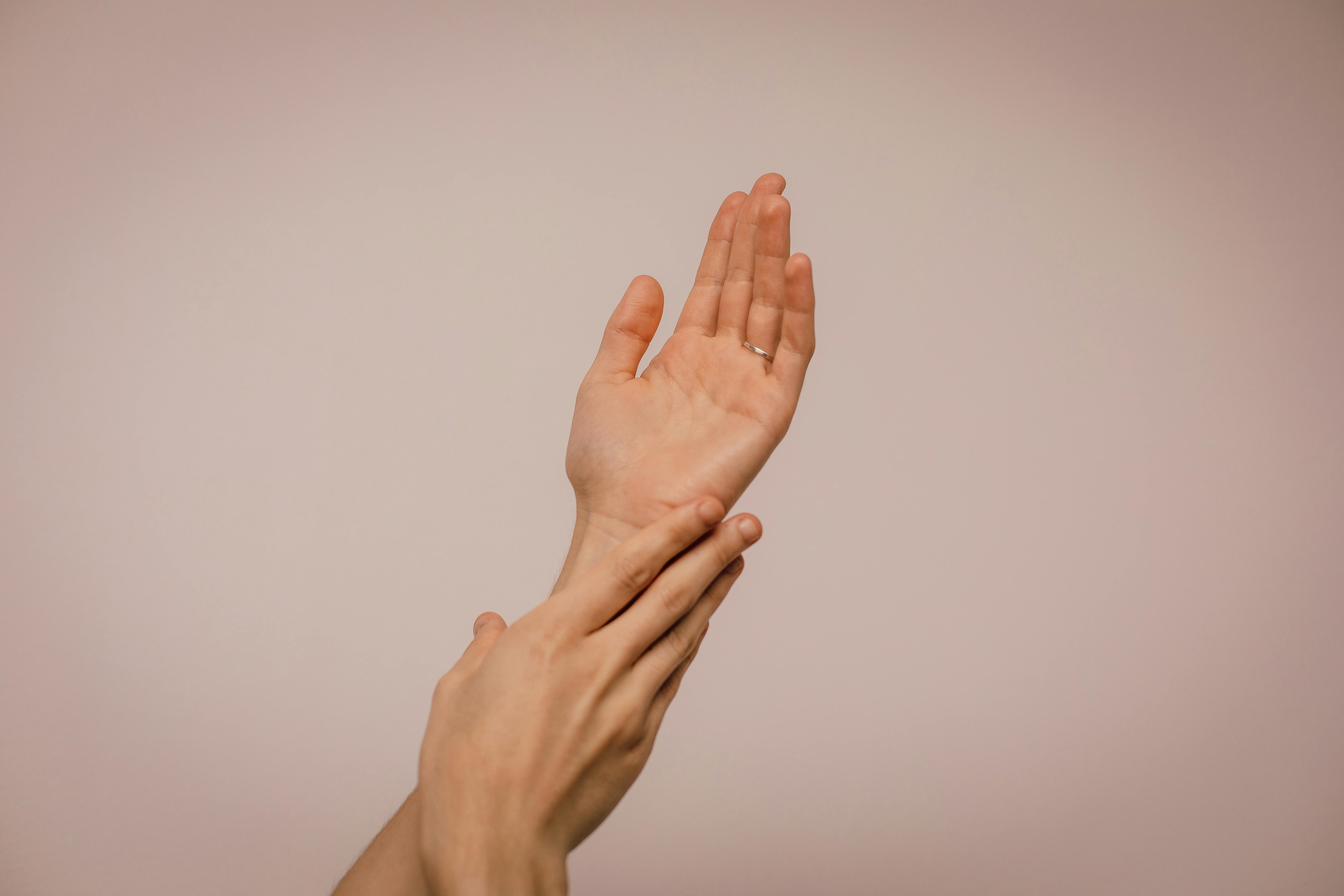
11. The Science of Hugs, Hand-Holding, and Comfort
Can physical contact reduce stress?
For many people, a reassuring hand or welcome hug creates a sense of comfort.
Scientists have investigated whether touch interventions can influence psychological and physiological measures of stress.
A particularly important systematic review and meta-analysis, published in Nature Human Behaviour in 2024, examined research involving touch-based interventions.
The researchers included 137 studies in the quantitative meta-analysis and another 75 studies in the systematic review, covering 12,966 participants.
Across the studies, touch interventions were associated with improvements in several measured outcomes.
For adults, these included reductions in reported anxiety, depressive symptoms, and pain. For newborns, certain physiological outcomes, including cortisol regulation, also showed improvements.
However, the findings require careful interpretation.
The studies involved different populations, different kinds of contact, different procedures, and different comparison conditions.
The researchers also acknowledged methodological limitations, including difficulties blinding participants to whether they were receiving touch and evidence of small-study bias.
These findings support further investigation of touch-based care, but they do not mean that every hug produces a predictable biological response or that touch alone treats a mental health condition.
What about cortisol and oxytocin?
Discussions of touch frequently mention cortisol, a hormone involved in stress responses, and oxytocin, a hormone and neuropeptide associated with several physiological and social processes.
Both are relevant to research on social contact.
But descriptions such as "hugs release the love hormone" can be misleading.
Oxytocin has complex effects that vary across situations. It is involved in reproductive physiology, social behavior, and other processes, and its effects cannot be reduced to a simple formula for happiness or trust.
Likewise, cortisol levels naturally vary throughout the day and respond to many factors.
A single measurement cannot fully describe someone's emotional well-being.
A more accurate conclusion is that supportive touch can participate in broader systems of emotional and physiological regulation.
It does not operate like a guaranteed chemical switch.
12. Why Holding Someone's Hand May Change Pain
What experimental research has found
Hand-holding is one of the simplest forms of social touch.
Researchers have examined whether holding a trusted partner's hand affects how people experience painful stimulation.
Some studies have found reductions in pain ratings or pain-related physiological responses during supportive contact.
For example, research published in Social Cognitive and Affective Neuroscience in 2020 examined partner support, including hand-holding and gentle stroking.
The findings suggested that social support could influence aspects of pain processing, although the effects varied across participants and measures.
Other experimental research has linked supportive hand-holding to changes in brain activity associated with pain processing.
Does the brain interpret pain differently?
Pain involves more than the detection of potentially harmful stimuli.
The brain also evaluates meaning, attention, threat, and context.
Supportive contact may influence some of these processes.
For example, being with a trusted person can change how threatening or manageable an uncomfortable situation feels.
But it is important not to confuse correlation with a complete explanation.
Researchers are still investigating the biological mechanisms through which social support changes pain perception.
The effects can differ according to relationship quality, individual differences, experimental methods, and the type of discomfort.
An interesting finding from 2026
A study published online in August 2026 in the journal Emotion examined hand-holding and memories of emotionally painful experiences.
The experiment involved 50 participants in long-term romantic relationships.
Participants recalled socially painful memories while holding their partner's hand or a squeeze ball.
Hand-holding did not significantly reduce their immediate emotional pain during the task.
However, memories associated with hand-holding were later recalled as less painful at a one-week follow-up relative to the comparison condition.
This suggests a potentially interesting connection between supportive touch and the way emotional experiences are remembered.
It does not establish that hand-holding consistently changes long-term emotional memory, and the small, specific sample limits broad conclusions.
Nevertheless, it illustrates how research on touch is moving beyond immediate sensation toward questions about emotional learning and memory.
13. Why Touch Matters During Early Childhood
Touch begins shaping experience early in life
Newborn babies enter a world of unfamiliar sounds, lights, temperatures, and physical sensations.
Their sensory systems are developing, and appropriate physical contact is an important part of caregiving.
Being held, supported, and comforted provides warmth, physical stability, and opportunities for interaction.
Touch also occurs alongside familiar voices, feeding, eye contact, and responsive attention.
These experiences help form the broader environment in which early development takes place.
It would be an oversimplification to say that touch alone creates attachment.
Secure and supportive relationships develop through many repeated interactions, including sensitivity to an infant's needs.
Physical contact can be one important part of that process.
What is skin-to-skin contact?
Skin-to-skin contact generally involves placing a newborn against a caregiver's bare chest under appropriate conditions.
The World Health Organization includes immediate skin-to-skin contact as an important element of early essential newborn care.
It can help maintain infant warmth and support early breastfeeding and bonding.
For preterm infants, kangaroo mother care is an important approach that involves prolonged skin-to-skin contact as part of a broader package of care.
Medical guidance matters because positioning, breathing safety, temperature, and the newborn's clinical condition must be considered.
The WHO provides specific recommendations on newborn care and kangaroo mother care.
Why comforting touch is not just for babies
Physical reassurance can remain meaningful throughout life.
Children often seek a caregiver after a frightening experience.
Adults may appreciate a hand on the shoulder during an emotional moment.
Older people may value familiar, welcome contact from family members or caregivers.
But there is no universal daily requirement for hugging or touching.
Different individuals have different sensory needs, personal boundaries, and social circumstances.
The important principle is responsive, appropriate contact that respects the individual.
14. What Happens When People Experience Too Little Welcome Touch?
Understanding the phrase "touch starvation"
The expression touch starvation is commonly used to describe distress associated with a perceived lack of comforting physical contact.
It is not a specific medical diagnosis with a universally accepted clinical threshold.
People differ greatly in how much physical contact they want.
Some enjoy frequent hugging or hand-holding. Others prefer very little physical contact and maintain satisfying relationships through conversation, shared activities, or other forms of connection.
A lack of touch should not automatically be described as harmful.
However, someone who wants close contact but rarely experiences it may feel lonely, disconnected, or emotionally deprived.
In that situation, touch can become part of a larger unmet need for belonging and companionship.
Social isolation is not the same as lack of touch
These experiences often overlap, but they are not identical.
A person may live alone and maintain strong friendships.
Another person may live with family and still experience loneliness.
Someone may receive frequent physical contact that feels intrusive rather than comforting.
The emotional quality of a relationship matters at least as much as the amount of contact.
When discussing touch and well-being, it is therefore important to avoid turning a complicated social issue into a simple biological deficiency.
Finding connection without unwanted pressure
People can develop meaningful connections through conversation, shared hobbies, volunteering, community activities, and other relationships.
Welcome physical contact may be part of those connections, but it is not mandatory.
For some individuals, activities such as massage or spending time with a companion animal may also provide enjoyable tactile experiences.
These are options, not medical prescriptions.
The goal should be meaningful, comfortable interaction rather than reaching an arbitrary number of hugs per day.
15. Why Some People Dislike Being Touched
Touch preferences are not universal
Two people can experience the same physical stimulus very differently.
A light tap might be pleasant for one person and irritating for another.
A busy shopping center may create an overwhelming combination of physical proximity, clothing friction, movement, noise, and visual stimulation.
Personal preferences about touch reflect numerous interacting factors.
These may include sensory sensitivity, previous experiences, social expectations, emotional state, physical health, and cultural context.
Some neurodivergent people report strong preferences or aversions involving particular textures, pressures, or types of contact.
But no single touch preference defines a neurological condition.
The difference between sensitivity and pain
Disliking certain kinds of contact does not necessarily indicate a medical problem.
Someone might dislike the sensation of wool, tight clothing, or a light brush against the arm.
That preference is different from experiencing pain from normally harmless stimulation.
Painful responses to light touch can occur in conditions involving altered sensory processing, including some neuropathic pain disorders.
Persistent or newly developing painful sensitivity deserves medical attention, especially when accompanied by numbness, weakness, or other neurological symptoms.
Consent changes the meaning of contact
A hug that is freely welcomed can feel supportive.
The same hug, when unwanted, may feel threatening or disrespectful.
This is not a contradiction in the science of touch.
It demonstrates that tactile perception is influenced by meaning and context.
Asking before initiating physical contact is therefore more than a social courtesy.
It acknowledges that the recipient's experience is part of what makes the interaction positive or negative.
16. The Surprising Relationship Between Touch and Memory
Can textures trigger memories?
Imagine touching an old wool blanket that belonged to a grandparent.
The material may remind you of a childhood home.
Or perhaps the familiar shape of a worn wooden handle immediately brings back memories of learning a practical skill.
Touch can act as a cue for remembered experiences.
Like sounds and smells, tactile sensations can become associated with places, people, and events.
When a similar sensation occurs later, it may help retrieve aspects of the original experience.
However, this does not mean touch has a unique or superior memory pathway compared with other senses.
Memory involves distributed brain systems, including networks that process sensory information, emotion, attention, and learned associations.
Learning through handling objects
Touch is particularly important when learning physical skills.
Think about typing without looking at the keyboard.
At first, a learner may need visual guidance to locate the keys.
With practice, motor learning and sensory feedback allow increasingly automatic movements.
The same principle applies to musical instruments, sewing, sculpture, and many sports.
Repeated practice helps the brain develop coordinated relationships between intended movement, expected sensation, and actual feedback.
Touch contributes valuable information during this learning process.
Why tactile learning can improve understanding
Educational activities that involve handling objects may provide information not available through sight alone.
For example, holding geometric solids helps students explore their surfaces and dimensions.
Manipulating physical models can make spatial relationships more concrete.
Tactile diagrams and raised-line illustrations can also support some forms of accessible learning, particularly when paired with appropriate instruction.
But physical activities are not automatically better for every learner or every subject.
Their usefulness depends on what students need to understand and how the activity is designed.
17. What Happens When Touch Sensation Is Damaged?
Why normal sensation matters for safety
Imagine being unable to feel a small stone inside your shoe.
You might continue walking while the stone repeatedly presses against your skin.
Without reliable protective sensation, the resulting injury could go unnoticed.
Normal sensation helps people detect hazards and adjust behavior before damage occurs.
The loss of touch sensitivity can also interfere with fine motor tasks.
Someone might have difficulty fastening buttons, handling small objects, or judging how tightly to grip a cup.
Peripheral neuropathy
Peripheral neuropathy refers to conditions involving damage or dysfunction of peripheral nerves.
Depending on which nerves are affected, symptoms may include numbness, tingling, burning pain, weakness, or impaired sensation.
Some people lose the ability to detect vibration or temperature normally.
Others experience heightened sensitivity or pain from ordinarily harmless contact.
Peripheral neuropathy has numerous possible causes, including metabolic conditions, certain medications, nutritional problems, infections, and nerve injuries.
The National Institute of Neurological Disorders and Stroke explains how different peripheral nerve types contribute to sensory, motor, and autonomic symptoms.
When to seek medical evaluation
Occasional temporary tingling after prolonged pressure on a nerve may resolve when the pressure is removed.
However, persistent, worsening, or unexplained changes in sensation should not be ignored.
Symptoms such as recurrent numbness, burning, unusual sensitivity, or difficulty feeling temperature may warrant evaluation by a healthcare professional.
Sudden numbness or weakness, particularly on one side of the body or accompanied by facial drooping, speech difficulty, or severe neurological symptoms, requires emergency assessment.
The important point is that touch is not merely a source of comfort or pleasure.
It is also part of the body's protective monitoring system.
18. Phantom Limbs and the Brain's Body Map
How can someone feel a missing limb?
Some people who have undergone an amputation experience sensations that seem to come from the missing body part.
These are known as phantom limb sensations.
They may include feelings of position, movement, pressure, itching, or pain.
The phenomenon can seem mysterious.
But it illustrates an important feature of perception: the brain does not simply receive finished sensations from the body.
It generates conscious experiences using neural signals, internal representations, and prior information.
Following an amputation, parts of the nervous system that previously processed signals from the missing limb may remain active or undergo changes.
Researchers have investigated the roles of peripheral nerves, spinal pathways, and brain networks in phantom experiences.
There is no single explanation that accounts for every case.
Why this matters for neuroscience
Phantom limb experiences demonstrate that the brain maintains representations of the body.
These representations help organize perception and movement.
They are also adaptable.
Changes in sensory input can alter how the nervous system processes bodily information.
This adaptability is one aspect of neural plasticity.
It helps scientists understand rehabilitation, sensorimotor learning, and the challenges of integrating prosthetic devices into a person's body experience.
19. Why Robots Still Struggle to Feel Like Human Hands
Touch is difficult to reproduce
Modern robotic systems can use cameras, force sensors, pressure-sensitive surfaces, and other technologies to interact with objects.
Some robotic grippers can detect contact force and adjust their movements.
Yet replicating human tactile ability remains challenging.
A human hand does not simply measure pressure at one point.
It gathers distributed information across many locations while constantly moving.
The nervous system combines that information with knowledge of joint position, muscle activity, visual input, and past experience.
Reproducing this process requires more than placing a pressure sensor on a robot's fingertip.
Electronic skin
Researchers are developing flexible sensor materials sometimes called electronic skin or e-skin.
These systems may detect mechanical pressure, deformation, temperature, or other physical variables, depending on their design.
Some use arrays of sensors that allow machines to estimate where contact occurs.
Others are designed to conform to curved or moving surfaces.
Potential applications include robotic manipulation, wearable devices, medical monitoring, and prosthetic technology.
However, electronic skin does not automatically reproduce the full experience of biological touch.
A device may detect pressure accurately while lacking the rich sensory integration found in a human nervous system.
Why software matters as much as sensors
Even an excellent sensor generates data that must be interpreted.
A robot handling fruit, for example, needs to estimate the object's shape, surface friction, and resistance to deformation.
It must decide how much force is sufficient to lift the fruit without damaging it.
This requires coordination between perception and action.
Machine learning and control algorithms may help interpret tactile signals and adjust movements, but performance depends on the task, hardware, training, and operating conditions.
The broader challenge is building machines that can use touch intelligently rather than merely detect that contact occurred.
20. Prosthetic Hands and the Future of Artificial Touch
Moving beyond simple gripping
A conventional mechanical prosthesis can support valuable daily activities, even without sophisticated tactile feedback.
However, using a prosthetic hand without natural sensation creates practical challenges.
A user may need to rely heavily on vision to determine whether an object is securely held.
Researchers are investigating ways to add sensory feedback to prosthetic systems.
Some approaches use sensors that measure grip force or contact conditions and convert that information into vibration, pressure, or electrical stimulation delivered to the user.
Others involve experimental interfaces with peripheral nerves or parts of the nervous system.
These approaches differ substantially in invasiveness, complexity, performance, and clinical readiness.
What sensory feedback could improve
Consider picking up a paper cup.
A prosthetic device that provides usable feedback about contact and force may help the user avoid crushing or dropping it.
Sensory feedback could also support a stronger feeling of control or embodiment in some users.
But artificial sensation is not necessarily identical to the feeling produced by an intact biological hand.
The brain must learn to interpret the information, and current systems have important technical limitations.
The most advanced research demonstrations should not be confused with technology routinely available to every prosthetic user.
A realistic outlook for 2026
The direction of research is promising.
Engineers are exploring more sensitive sensors, improved feedback methods, adaptive control, and better integration between prosthetic devices and human movement.
Still, translating laboratory performance into durable, affordable, comfortable clinical products is difficult.
Reliability, maintenance, usability, safety, and long-term outcomes are as important as impressive demonstrations.
Progress will likely involve gradual improvements rather than a single invention that perfectly recreates natural touch.
21. Why Virtual Reality Needs Better Haptics
Seeing a virtual object is not the same as feeling it
Virtual reality can create convincing visual environments.
A headset may make a digital object appear to be directly in front of you.
But when you reach toward it, your hand may encounter nothing.
This mismatch reveals how much everyday interaction depends on touch.
Haptic technology attempts to provide physical feedback during digital experiences.
Vibrating game controllers are a familiar example.
More advanced experimental systems use gloves, wearable actuators, force-feedback devices, or other mechanisms to create sensations associated with contact.
The limitations of vibration
A vibration can indicate that something happened.
It might simulate a collision, alert the user to an event, or provide a rhythmic cue.
But vibration alone cannot fully reproduce the experience of gripping a solid object.
Real objects resist movement.
They deform the skin in complex ways and create frictional forces that change as the hand moves.
A soft sponge, a heavy stone, and a slippery glass all produce different sensory and mechanical interactions.
Creating convincing digital versions requires coordinated physical feedback and accurate timing.
Applications beyond entertainment
Haptic systems may eventually improve certain forms of training and accessibility.
Examples under investigation include surgical simulation, remote manipulation, rehabilitation, and accessible digital interfaces.
In these settings, feedback must convey useful information rather than simply create an impressive sensation.
A medical trainee, for example, needs meaningful feedback related to the task.
A poorly calibrated simulation could teach an inaccurate physical expectation.
As with robotics, better technology requires not just stronger hardware but careful research into human perception.
22. Can You Improve Your Awareness of Touch?
Attention changes what you notice
Human sensory systems continually process information that does not enter conscious awareness.
When you intentionally focus on a particular sensation, you may notice details that were previously ignored.
For example, you may become aware of the weight of your clothes, the texture of a chair, or the pressure of your feet against the ground.
This does not necessarily mean your receptors suddenly become more sensitive.
Instead, attention can change how sensory information is selected and interpreted.
A simple texture experiment
Choose three ordinary, safe objects with noticeably different surfaces.
For example, you might use a cotton cloth, a smooth ceramic cup, and a wooden spoon.
Close your eyes and explore each object gently with your fingertips.
Pay attention to its temperature, edges, texture, and resistance to movement.
Then open your eyes and compare the physical qualities you felt with what you can see.
The exercise illustrates how sensory information from different modalities can complement one another.
It is not a medical test, a treatment, or a proven method for permanently improving tactile acuity.
A grip-awareness experiment
Hold a lightweight, unbreakable object such as an empty plastic cup.
Notice the pressure you use.
Then slightly reduce your grip while keeping the object secure.
You may notice how small adjustments in force change the sensation in your fingers.
This demonstrates the close relationship between tactile feedback and motor control.
Avoid experiments with sharp, heavy, hot, or fragile objects.
Why mindful touch should remain optional
Some people enjoy activities that draw attention to physical sensations.
Others find particular sensations distracting or uncomfortable.
Neither response is inherently wrong.
The purpose of sensory awareness is to understand how your body interacts with its environment, not to force yourself to tolerate unwanted stimulation.
23. Common Myths About the Science of Touch
Myth 1: Touch is the least important sense
Touch may receive less public attention than vision or hearing, but it is fundamental to everyday function.
It supports object manipulation, body protection, physical learning, and many social experiences.
The importance of a sense cannot be judged simply by how often people consciously notice it.
Myth 2: Everyone needs the same number of hugs
There is no scientifically established universal daily hug requirement.
Individual preferences, relationships, culture, and circumstances vary.
The emotional meaning and appropriateness of contact matter more than reaching a numerical target.
Myth 3: All touch-related receptors detect the same thing
Different sensory structures respond preferentially to different kinds of mechanical stimulation.
Their signals are integrated by the nervous system to produce complex tactile experiences.
Myth 4: A stronger touch always creates a stronger positive effect
More pressure does not automatically produce more comfort.
Some people prefer gentle contact, others prefer firm pressure, and some prefer no contact.
Too much force can become painful or damaging.
Myth 5: Touch-based treatments work for every condition
Studies suggest potential benefits of certain touch interventions for selected outcomes.
However, results vary, and the quality of evidence differs between conditions.
Touch-based approaches should not replace established medical or psychological care.
Myth 6: Robots can already reproduce natural human touch perfectly
Current sensors and haptic systems can reproduce selected physical signals.
They do not yet provide the full richness of biological tactile sensation across all everyday tasks.
Myth 7: Painful touch always means the skin is visibly injured
Pain can result from changes in peripheral nerves or central pain processing even when visible tissue damage is absent.
Persistent painful sensitivity can have medical causes and may require professional evaluation.
24. What Touch Research Still Needs to Explain
The limits of current knowledge
Decades of research have revealed many of the structures and mechanisms involved in tactile perception.
But important questions remain.
Scientists continue to investigate how different receptor populations cooperate, how the brain combines touch with movement and vision, and how social experiences influence the interpretation of physical contact.
Affective touch remains particularly challenging because its meaning changes across individuals and situations.
The same physical stimulus can be welcome, neutral, irritating, or distressing.
Researchers must therefore consider social context alongside neural signaling.
Better methods and more diverse participants
Many experimental studies involve relatively small groups of participants under controlled laboratory conditions.
Such studies are useful for identifying possible mechanisms.
However, they do not always represent the full diversity of everyday human experience.
Future research will benefit from including people of different ages, cultural backgrounds, health conditions, and sensory profiles.
Researchers also need methods that distinguish short-term changes in laboratory measurements from lasting improvements in health or functioning.
Bringing discoveries into healthcare
Touch science has practical implications for neurology, rehabilitation, neonatal care, prosthetics, pain research, and human–computer interaction.
Understanding sensory loss may help clinicians recognize neurological disorders.
Better tactile feedback may improve assistive technologies.
Research into social touch may contribute to supportive care practices when appropriately interpreted.
But responsible application requires careful testing.
A plausible biological mechanism is not enough to establish that an intervention is safe, effective, or suitable for everyone.
The path from basic discovery to clinical benefit usually involves years of additional investigation.
25. Practical Ways to Appreciate Your Sense of Touch
Touch is already woven into everyday activities.
You do not need specialized equipment or an elaborate routine to recognize its importance.
A few ordinary experiences can make its role easier to understand.
- Notice material differences. Pay attention to how cotton, wood, ceramic, and paper feel when you handle them normally.
- Observe grip adjustments. Notice how your fingers automatically change force when lifting objects of different weights.
- Recognize protective signals. Temperature, pain, and unusual pressure provide information that may help you avoid injury.
- Respect physical boundaries. Before offering a hug, massage, or other contact, consider whether it is welcome.
- Support accessible experiences. Tactile labels, raised markings, and well-designed physical controls can help people interact with their surroundings.
- Take sensory changes seriously. Persistent numbness, tingling, or pain can indicate a medical problem that deserves evaluation.
- Appreciate your nervous system's work. Everyday activities such as buttoning a shirt or holding a cup involve remarkable sensory coordination.
These suggestions are not intended to maximize touch or create a new wellness obligation.
They simply highlight how ordinary sensory experiences contribute to a functional, meaningful life.
Frequently Asked Questions About the Science of Touch
1. What is the scientific name for the sense of touch?
Touch is generally studied as part of the somatosensory system. More specific terminology includes tactile perception, cutaneous sensation, and mechanosensation. The somatosensory system also includes related functions such as temperature, pain, and body-position sensing.
2. How does the skin detect touch?
Specialized sensory receptors respond to mechanical deformation of the skin and associated tissues. Mechanically activated ion channels help convert physical forces into electrical activity, which sensory nerves transmit toward the central nervous system.
3. Why are fingertips more sensitive than many other body parts?
Fingertips have dense sensory innervation and neural processing systems specialized for fine tactile discrimination. Their anatomy and brain representation support tasks such as recognizing small objects and detecting surface details.
4. What are mechanoreceptors?
Mechanoreceptors are sensory structures responsive to mechanical forces. They contribute information about pressure, movement, vibration, and stretch. Different mechanoreceptor systems have different response properties.
5. What is PIEZO2?
PIEZO2 is a protein involved in mechanically activated ion channels. It plays important roles in detecting mechanical stimuli and in proprioception. Discoveries related to this system helped transform modern research into touch.
6. Can touch affect emotions?
Yes. Physical contact can have emotional significance, depending on its nature and context. Research suggests that some forms of supportive touch can influence comfort and certain measures of stress, anxiety, or pain.
7. Why does holding someone's hand sometimes feel calming?
Hand-holding can communicate support, familiarity, and reassurance. Its effects involve the interpretation of physical contact within a relationship, and studies suggest that supportive contact may influence some aspects of pain and emotional processing.
8. Do hugs release oxytocin?
Touch and social interaction have been studied in relation to oxytocin, but it is inaccurate to assume that every hug causes a predictable release or produces the same emotional outcome. Hormonal regulation and social behavior are complex.
9. Is there a scientifically proven number of hugs people need each day?
No. There is no established universal daily requirement. The benefits and desirability of touch vary among individuals, and consent and context are central to a positive experience.
10. What are C-tactile fibers?
C-tactile fibers are a class of slower-conducting sensory nerve fibers associated with responses to certain forms of gentle stroking, especially in hairy skin. They are relevant to research on affective touch but do not explain every emotionally meaningful tactile experience.
11. Why do some people dislike light touch?
People differ in sensory sensitivity, preferences, expectations, and previous experiences. Light contact may feel irritating, distracting, or uncomfortable to some individuals. Disliking a sensation does not automatically indicate a disorder.
12. Can touch help reduce pain?
Some types of gentle stimulation and supportive contact can influence pain experience. However, the effects are variable and depend on the condition, stimulus, person, and context. Touch is not a substitute for appropriate medical care.
13. Why do we rub an area after bumping it?
Rubbing provides additional sensory input that can interact with pain processing in the spinal cord and brain. This may alter pain perception in some circumstances, although rubbing can worsen discomfort with certain injuries or conditions.
14. Can babies benefit from skin-to-skin contact?
Yes. Appropriately performed skin-to-skin contact is supported by established newborn-care guidance. It can help maintain warmth and support early breastfeeding and bonding. Clinical supervision and safe positioning are important.
15. Does touch help children learn?
Touch contributes to sensorimotor development and learning through physical interaction. Handling objects allows children to explore properties such as shape, weight, and texture. Learning outcomes depend on the activity and broader educational context.
16. What causes numbness or loss of touch sensation?
Possible causes include nerve compression, peripheral neuropathy, injury, and disorders affecting the central nervous system. Persistent or unexplained sensory changes should be assessed by a healthcare professional.
17. What is allodynia?
Allodynia is pain caused by stimulation that would not normally be painful, such as light pressure from clothing or bedding. It can occur in certain neurological and pain-related conditions.
18. What is phantom limb sensation?
Phantom limb sensation occurs when a person experiences feelings associated with a missing body part. It reflects the continued involvement and adaptation of nervous-system pathways and body representations.
19. Can touch work without vision?
Yes. People can identify many physical properties through touch alone. Active exploration provides information about texture, shape, and other characteristics, particularly when combined with proprioception and previous experience.
20. Can artificial skin feel like human skin?
Electronic skin can detect selected physical variables, such as pressure or deformation. But reproducing natural human touch involves much more than sensing contact. Biological perception depends on complex nervous-system integration.
21. Can virtual reality recreate realistic touch?
Virtual reality can incorporate haptic feedback through vibration, force-feedback devices, and experimental wearable technologies. These systems can reproduce certain sensations but do not yet recreate every aspect of natural physical interaction.
22. Does touch sensitivity decrease with age?
Some aspects of tactile function can change with aging, but the degree and nature of change vary. Health conditions, nerve function, skin changes, and other factors may influence sensitivity. Significant changes should not automatically be dismissed as normal aging.
23. Can you train your sense of touch?
Practice can improve performance on certain tactile discrimination and motor tasks, particularly when sensory learning is relevant to the activity. However, simple exercises are not established treatments for nerve damage or all forms of sensory impairment.
24. What is the difference between touch and proprioception?
Touch provides information about physical contact and mechanical stimulation. Proprioception contributes information about body position and movement. These systems work together during activities such as gripping, reaching, and handling objects.
25. Why is touch important for human relationships?
Welcome touch can communicate affection, reassurance, attention, and support. Its significance depends on cultural expectations, personal preferences, relationships, and consent. Meaningful human connection is also possible without physical contact.
Conclusion: The Extraordinary Sense Hidden in Everyday Life
Return to that ordinary November morning.
The blanket against your skin, the floor beneath your feet, the ceramic cup between your fingers, and the reassuring pressure of another person's hand all create different patterns of physical stimulation.
Yet they feel like seamless experiences.
You do not need to think about which mechanoreceptors are active or how electrical signals travel through your spinal cord.
Your nervous system performs much of that work automatically.
Touch helps you distinguish objects, regulate grip, navigate your surroundings, respond to potential danger, and coordinate movement.
It also participates in social experiences whose meanings cannot be explained by pressure or vibration alone.
The science has become far more detailed in recent decades.
Researchers have identified important molecular mechanisms, investigated specialized sensory pathways, mapped aspects of tactile processing, and examined the relationships between physical contact and well-being.
Nevertheless, important questions remain about how the brain integrates these signals, why experiences differ among individuals, and how technology might reproduce useful forms of sensation.
Perhaps the most revealing lesson is that touch does not simply tell us what the world feels like.
It helps us act within that world.
Every time you fasten a button, handle a delicate object, detect an uncomfortable surface, or welcome a comforting embrace, your nervous system is translating physical information into practical understanding.
Your skin is not merely a boundary between your body and the environment. It is one of the ways your brain continuously discovers what is happening around you.
And that makes touch far more than a sense we occasionally notice.
It is part of how we experience being alive.
Sources and Further Reading
The following scientific publications, medical references, and institutional resources support the article's explanations. Research findings have been presented with attention to study limitations and the difference between established knowledge and emerging evidence.
National Library of Medicine — Mechanoreceptors Specialized to Receive Tactile Information. Foundational explanation of Merkel, Meissner, Pacinian, and Ruffini mechanoreceptors, including their sensory functions.
National Library of Medicine — Physiology, Sensory Receptors. Medical reference covering the physiological mechanisms of touch, pressure, temperature, and pain sensing.
Handler and colleagues — The Mechanosensory Neurons of Touch and Their Mechanisms of Activation (2021). Detailed scientific review of cutaneous mechanoreceptors and the mechanisms underlying touch.
The Nobel Prize — The Nobel Prize in Physiology or Medicine 2021. Official explanation of discoveries concerning receptors for temperature and touch, including PIEZO-related research.
Neuroscience & Biobehavioral Reviews (2023) — What Are C-Tactile Afferents and How Do They Relate to Affective Touch? Review examining gentle touch, specialized sensory fibers, and the complexities of emotional touch.
Packheiser and colleagues — A Systematic Review and Multivariate Meta-Analysis of the Physical and Mental Health Benefits of Touch Interventions (2024). Published in Nature Human Behaviour. Large-scale review investigating touch-based interventions and health-related outcomes.
Reddan and colleagues — Touch and Social Support Influence Interpersonal Synchrony and Pain (2020). Experimental research examining social support, partner contact, and pain-related measures.
Crowder and colleagues — Hand-Holding Reduces the Long-Term Painfulness of Social Memories (2026). Research examining emotional memory and supportive hand-holding, with important limitations concerning sample size and generalizability.
World Health Organization — Early Essential Newborn Care. Guidance on newborn skin-to-skin contact, breastfeeding support, and kangaroo mother care.
National Institute of Neurological Disorders and Stroke — Peripheral Neuropathy. Information about peripheral nerve function, sensory loss, painful touch, and neurological symptoms.
Saadon-Grosman and colleagues — The 'Creatures' of the Human Cortical Somatosensory System (2020). Research examining how different body regions are represented within somatosensory brain networks.
National Library of Medicine — Neuroanatomy, Touch Receptor. Clinical and anatomical overview of cutaneous receptors and sensory pathways.
The conversation
Post a Comment