7 Profitable Digital Products to Sell in 2026: The Complete Guide
- Online courses lead digital product profits in 2026 — 69% of creators earn over $1,000/month (Teachable study).
- Margins run 85–97% with zero inventory: create once, sell forever.
- Etsy wins for templates and planners; Gumroad for creators with an audience; Teachable for courses.
- Price your first product at $27–$97 and let sales data guide the next.
Create a digital product once — a course, a planner, a template pack — and sell it a thousand times with no inventory, no shipping, and no restocking. Margins of 85–97% are normal, which is why digital products anchor nearly every make-money-online strategy in 2026.
The market keeps growing: Mordor Intelligence projects the e-learning market alone at $275.86 billion in 2026, heading past $461 billion by 2031. Here are the seven most profitable digital products to sell this year, with real price ranges and which platform — Etsy, Gumroad, Teachable, or Udemy — fits each.

Why Digital Products Win in 2026
The math is simple. Physical sellers pay for materials, manufacturing, warehousing, shipping, and returns. Digital sellers pay with their time — once. After creation, delivering copy number 500 costs essentially nothing; platform fees of 3–30% are your only real variable cost.
Three trends make 2026 ideal. AI tools slashed creation time — a month of work in 2022 takes a weekend now. Buyer trust is high, and niche audiences are reachable free via TikTok, YouTube Shorts, and Pinterest. The barrier is no longer production; it's picking the right product and shipping it.
| Digital product | Price range | Margin | Best platform |
|---|---|---|---|
| Online courses | $47–$497 | 90–97% | Teachable, Udemy |
| Templates & Notion systems | $19–$99 | 90–95% | Etsy, Gumroad |
| Digital planners & journals | $9–$39 | 88–94% | Etsy |
| Ebooks & guides | $9–$49 | 90–95% | Gumroad |
| Canva kits & design packs | $15–$79 | 90–95% | Etsy, Gumroad |
| Memberships & communities | $9–$49/mo | 85–93% | Gumroad, Teachable |
| Stock assets & prompt packs | $12–$59 | 92–97% | Gumroad, Etsy |
1. Online Courses: The Profit King
Courses earn the most because people pay premium prices for transformation. A $197 course teaching freelancers to land their first $2,000 client is an easy yes. A Teachable study found over 69% of creators across ~17,000 courses earned more than $1,000/month.
You need only be two steps ahead of your student. Hot niches: AI workflow skills, career skills, and hobbies with spending power. Keep lessons under 10 minutes and add worksheets to boost completion rates.

Price your first course at $47–$197. Teachable's free plan works to start; Pro at $119/month drops fees to 0% (full 2026 pricing). Udemy gives millions of students but discounts hard — use it for volume.
2. Templates & Notion Systems: The Volume Play
Templates sell because they save time — a freelancer pays $29 for a proposal template that wins a $3,000 contract. Notion dashboards, budget trackers, and content calendars are proven sellers you can build in a weekend.
Sell bundles — "50 Instagram post templates" beats a single template every time. Etsy is the natural home since buyers search and find you. Price at $19–$49, with a $79–$99 mega bundle as an upsell.
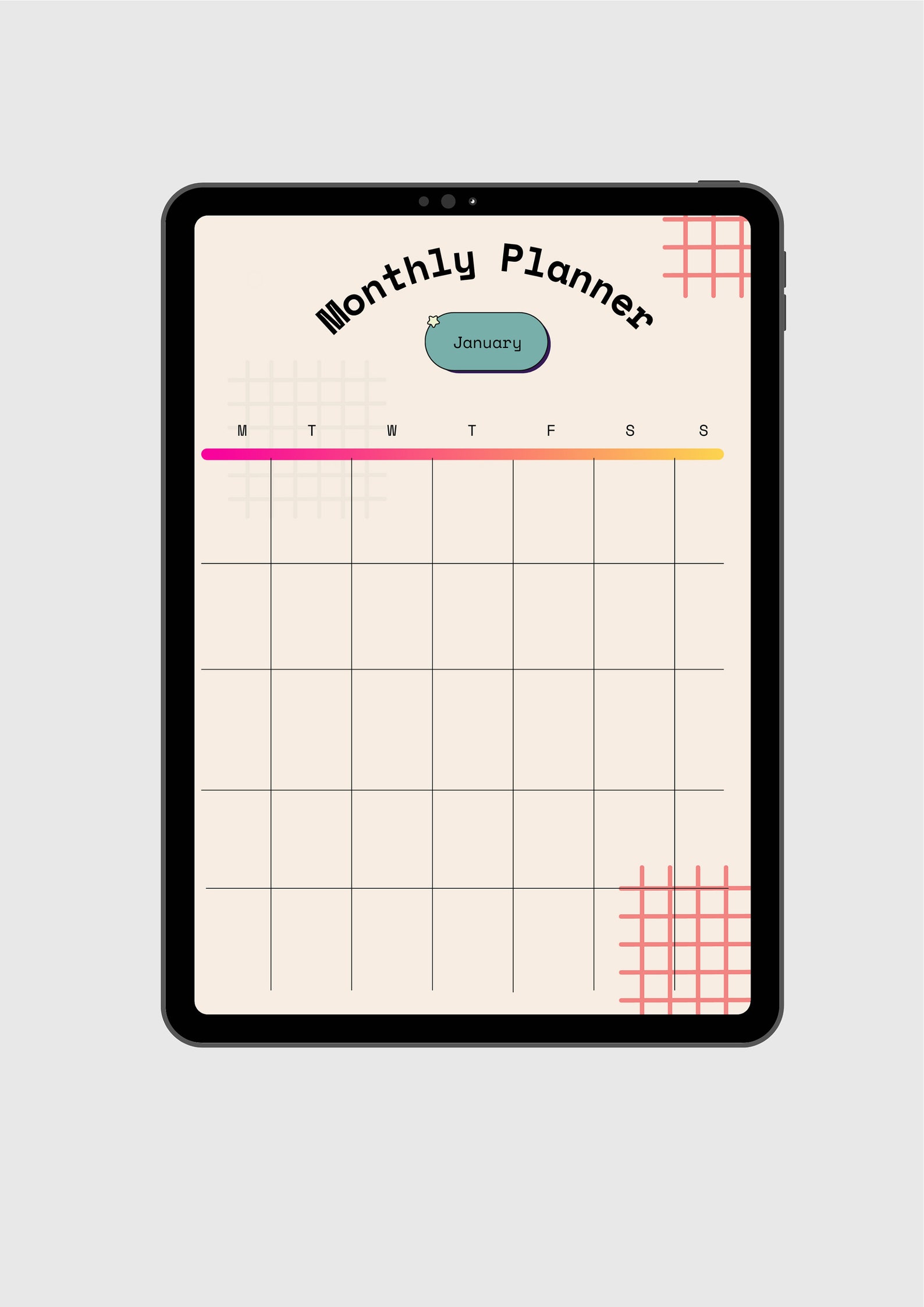
3. Digital Planners & Journals: The Etsy Evergreen
Digital planners are among Etsy's most consistent digital bestsellers — hyperlinked weekly planners, habit trackers, and fitness journals move thousands of copies monthly in top shops.
Niche down: "digital planner for nursing students" beats a generic "2026 planner." Export a hyperlinked PDF with a short setup video to cut refunds. Price at $9–$29; Etsy takes ~10–12% of a typical sale (fee breakdown 2026).
4. Ebooks & Guides: Fastest to Launch
A useful 50–100 page guide can be on sale this week. The most profitable ebooks solve one painful problem. Short, specific, and outcome-focused beats long and generic.
Price at $9–$29. Gumroad is the simplest checkout — no monthly fee, you keep ~87–90% of direct sales after its 10% + $0.50 fee (verified Gumroad fees 2026). Power move: give the ebook away free, then sell the $197 course on the backend.
5. Canva Kits & Design Packs: Creator-Economy Gold
Small businesses need professional graphics without a designer. Canva kits — Instagram packs, media kits, pitch decks, logo kits — sell as editable links: instant delivery, free updates.
Study top sellers and iterate. Bundle aggressively: a "300-template bundle" at $49 beats ten $9 listings. Etsy brings search traffic; Gumroad keeps more margin. Avoid trademarked characters — the fastest way to get delisted.
6. Memberships & Communities: Recurring Revenue
Memberships are the only product here that pays monthly — $19/month × 200 members = $3,800 in recurring revenue. Winners cluster around accountability and access.
Beat churn with a rhythm: monthly live Q&A, weekly resource drop, clear onboarding. Start with founding-member pricing ($9–$19/month) to fill 50 seats, then raise prices. Teachable Pro at $119/month with 0% fees pays off past ~$1,000/month.
7. Stock Assets & Prompt Packs: The AI-Era Play
The AI boom created two new categories: prompt packs (tested collections for ChatGPT, Midjourney, Claude) and AI-assisted stock assets (patterns, mockups, brushes, presets). Both are cheap to make and fast to update.
Win by going narrow and proving results: show before-and-afters, include a quick-start video, update quarterly. Price at $12–$39. Gumroad is ideal when buyers come from your own YouTube or TikTok audience.
Where to Sell: Platform Fees Compared
The wrong platform quietly taxes every sale. Here's the honest 2026 picture:
| Platform | Monthly cost | Fee per sale | Best for |
|---|---|---|---|
| Etsy | $0 (+$0.20/listing) | ~10–12% | Planners, templates — built-in search traffic |
| Gumroad | $0 | 10% + $0.50 direct; 30% Discover | Creators with an audience |
| Teachable | $0–$119/mo | $1 + 10% free; 0% on Pro | Courses, memberships, full branding |
| Udemy | $0 | Revenue share | Course volume and student acquisition |
No audience yet? Start on Etsy and let search bring buyers — or boost your online presence to drive your own traffic. Have a following? Gumroad is simple and cheap. Selling a premium course? Teachable gives the storefront. This Gumroad vs Etsy comparison shows real per-sale math.
Pricing Strategy: The $27–$97 Sweet Spot
Most beginners price too low: a $7 product needs 143 sales to make $1,000; a $47 product needs 22. Cheap prices also attract the most refund-happy buyers. Price on the outcome — a template saving 10 hours is worth $49.
- Start at $27–$97. High enough to signal quality, low enough for impulse buys.
- Build a value ladder. A $19 template leads to a $97 bundle, which leads to a $297 course — each product sells the next.
- Raise prices on proof. After 20 positive reviews, increase 20–30%. Social proof justifies it.
- Test with real traffic. Run two prices for two weeks each and keep the winner. Guessing is slower than testing.
Frequently Asked Questions
How much money do I need to start selling digital products?
Almost nothing. Etsy charges $0.20 per listing; Gumroad and Teachable have free plans; Canva, Google Sheets, and Notion are free. A realistic starting budget is $0–$50.
Which digital product is most profitable for beginners?
Templates and digital planners: fast to create, cheap to test at $19–$39, and Etsy brings buyers through search. Courses earn more per sale but take longer to produce.
Do I need a website to sell digital products?
No. Etsy, Gumroad, Teachable, and Udemy all provide hosted storefronts with checkout and delivery built in. A simple site helps with branding later, but it's not required for your first sale.
How do taxes work on digital product sales?
You're generally responsible for income tax on profits, and rules vary by country. Gumroad acts as merchant of record and handles VAT/sales tax; on Etsy and Teachable, check local obligations. Not tax advice — consult an accountant once revenue grows.
Is digital product income really passive?
The income is real but rarely fully passive — expect a few hours a week of marketing, support, and updates. Still far less work than a job for the same revenue.
The Bottom Line
Courses pay the most per sale, templates and planners win on volume through Etsy's search traffic, and memberships build life-changing recurring revenue. Pick one product, build it this week, price it $27–$97, and list it where your buyers already are. Need help creating content or getting found? Check out our freelance writing and SEO services.. A live $47 template beats a perfect $497 course that never ships.
The creators earning real money in 2026 aren't the most talented — they're the ones who shipped, learned from sales data, and shipped again.
Disclaimer: This article is for informational purposes only and is not financial or tax advice. Platform fees change; verify current terms on each platform's official site before selling.
The conversation
Post a Comment