Key Takeaways
- The Dangote Refinery IPO now closes October 27, 2026, after a two-week extension approved by Nigeria's SEC.
- 4.1 billion shares at ₦525 each, targeting roughly ₦2.15 trillion.
- The extension is about wider African participation — demand is already reported at 3-4x the target.
- Kenya's Nairobi Securities Exchange model may be replicated across other African exchanges.
Dangote Refinery IPO Extended: How to Buy Shares at ₦525
If you missed the original October 13 deadline for the Dangote Petroleum Refinery and Petrochemicals FZE (DPRP) share sale, you just got a second chance. Nigeria's Securities and Exchange Commission (SEC) has approved a two-week extension — the new closing date is Tuesday, October 27, 2026.
The offer is one of the largest public share sales in Nigerian and African capital-market history, reports say: 4.1 billion shares at ₦525 each, targeting roughly ₦2.15 trillion. The extension is not about weak demand — Dangote Group president Aliko Dangote says subscriptions already stand at several times the target. The extra two weeks exist for one reason: to let more Africans take part.
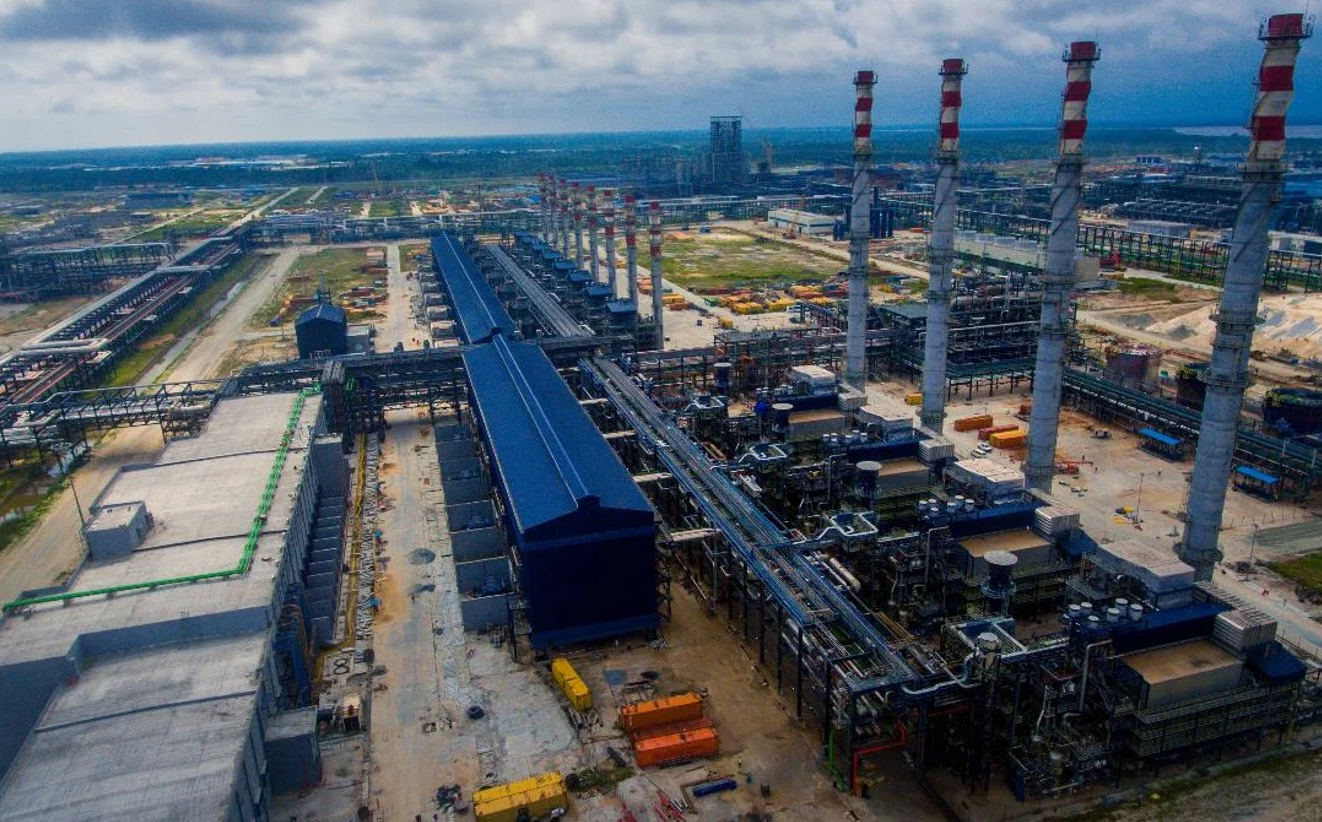
What Changed: The IPO Now Closes October 27, 2026
The IPO opened on Monday, September 14, 2026, and was originally scheduled to close on Tuesday, October 13, 2026. This week, the SEC approved a two-week extension, moving the final deadline to October 27, 2026.
The Numbers That Matter: Key IPO Facts
| Detail | Fact |
|---|---|
| Issuer | Dangote Petroleum Refinery & Petrochemicals FZE (DPRP) |
| Shares on offer | 4.1 billion ordinary shares |
| Offer price | ₦525 per share |
| Target raise | Approx. ₦2.15 trillion |
| Offer opened | September 14, 2026 |
| Original close date | October 13, 2026 |
| New close date | October 27, 2026 (SEC-approved extension) |
| Regulatory approval | SEC (Nigeria) |
A few headline stats worth remembering:
- ₦2.15 trillion target — reported as one of the largest public offerings ever seen in Nigerian and African capital markets.
- 3-4x oversubscription — Dangote says subscriptions already exceed the original fundraising target several times over.
- 700,000 barrels per day — the refinery's processing capacity, with expansion plans toward 1.4 million barrels per day.
- Up to 10 million retail investors — a target CEO David Bird has discussed for the refinery's investor base, per Nigerian business press.
To get a feel for how IPOs typically work for retail investors, our guide to the 2026 Jio IPO walks through standard public-offer mechanics.
Why Dangote Extended the Offer (Despite 3-4x Demand)
Extensions usually signal weak demand. This one signals the opposite: Dangote said the closing date was moved because "we want more of our African brothers and sisters to participate," noting subscriptions already stood at "much more than three, four times" the target — "it's not about the amount of money."

The extension supports market-access initiatives across African jurisdictions. The extra two weeks will expand distribution channels, roll out unsponsored depository receipt programmes for seamless cross-border investment, and give investors time to finish account-opening and identity verification.
A key part of the strategy involves Kenya's Nairobi Securities Exchange. Dangote said discussions with the exchange helped the group identify a framework for wider investor participation — one it is now trying to replicate with other African exchanges.
MD/CEO David Bird welcomed the SEC's approval, saying the additional time would help more investors across the continent access the shares.
How to Buy Dangote Refinery Shares: A Step-by-Step Guide
General guidance only — see the full disclaimer below. Always confirm the current procedure with a licensed stockbroker or the official offer documents before applying.
Step 1: Open a brokerage account with a licensed stockbroking firm or approved platform — most accept online applications with a valid ID, passport photograph, proof of address, and bank details.
Step 2: Complete identity verification (KYC). Brokers must verify you before you can subscribe. Do not leave this to the last day.
Step 3: Fund your account to cover the shares you want at ₦525 each, plus brokerage fees. Check the prospectus for any minimum subscription amount.
Step 4: Submit your application through your broker, a participating bank, or an authorized platform — before October 27. Late applications will not be accepted.
Step 5: Wait for allotment. Oversubscription is virtually certain, so expect to receive fewer shares than you applied for, with the balance refunded.
Step 6: Watch for listing. After allotment, the shares are expected to list for trading.

Investors outside Nigeria should watch for new subscription channels as the Nairobi Securities Exchange framework is replicated across other African exchanges and depository receipt programmes go live.
What to Know Before You Invest
- Oversubscription is highly likely. With demand reportedly several times the target, you may be allotted only a fraction of the shares you apply for.
- Equity investments carry risk. Share prices can fall as well as rise after listing — only invest money you can leave invested for the medium to long term.
- Beware of scams. Fraudsters exploit popular IPOs. Apply only through licensed brokers, banks, or platforms named in official offer communications — never send money to "agents" on social media.
- Read the prospectus. It contains the risks, use of proceeds, and terms in full. No article substitutes for reading it.
Disclaimer: This article is for information only — not financial advice. Share investing involves risk, including possible loss of principal. Do your own research, read the official prospectus, and consider consulting a licensed financial advisor.
Beyond equities, there are other ways to grow your income worth exploring alongside your stock-market plans.
Why This IPO Matters Beyond the Headlines
This is more than a big number — it is a milestone for African capital markets. The refinery, with 700,000 barrels-per-day capacity and expansion plans toward 1.4 million, sits at the center of Africa's energy transformation, and the IPO turns that story into a shared asset.
Frequently Asked Questions
When does the Dangote Refinery IPO close?
Tuesday, October 27, 2026 — a two-week SEC-approved extension. The offer opened September 14, 2026 and was originally due to close October 13.
What is the offer price and size?
₦525 per share for 4.1 billion ordinary shares — roughly ₦2.15 trillion, described in reports as one of the largest public offerings in Nigerian and African capital-market history.
Why was the IPO extended?
Not weak demand — Dangote says subscriptions already exceed the target several times over. The extra time supports cross-border access and lets investors finish account-opening and identity verification.
Can non-Nigerians buy Dangote Refinery shares?
The company is working to facilitate pan-African participation via expanded distribution, unsponsored depository receipt programmes, and its Nairobi Securities Exchange framework. Check with a licensed broker in your jurisdiction.
What happens if the IPO is oversubscribed?
With demand reportedly several times the target, oversubscription is likely. Applicants are typically allotted fewer shares than applied for, with excess funds refunded.
Who leads Dangote Refinery?
David Bird is Managing Director and CEO of Dangote Petroleum Refinery and Petrochemicals FZE; Aliko Dangote is President of Dangote Group.
Is the Dangote Refinery IPO a good investment?
We cannot give financial advice. The offer has drawn enormous reported demand and the refinery is a major industrial asset — but all equity investments carry risk. Read the prospectus, understand the risks, and consider a licensed financial advisor.
The conversation
Post a Comment