Nobel Prize 2026 Winners: The Complete List of All 6 Laureates
- All six 2026 Nobel Prizes were announced between October 6 and October 12, 2026 — the week closed with Robert E. Hall and Michael Woodford taking Economics.
- Medicine honored the optogenetics pioneers; Physics went to IceCube's Francis Halzen; Chemistry to Kagan and Soai; Literature to Anne Carson; Peace to Navi Pillay.
- Each laureate receives 12 million Swedish kronor (~$1.2 million); the medals are presented in Stockholm on December 10, 2026.
Nobel week 2026 is officially in the books. Over six announcements from October 6 to October 12, this year's laureates were revealed — from brain-controlling light technology to the ice-buried telescope that caught cosmic neutrinos, from asymmetric molecules to a Canadian poet, a South African jurist, and two economists who quietly rebuilt how central banks fight recessions. This page collects every 2026 winner in one place, with a full breakdown of each prize.

The 2026 Nobel Winners at a Glance
| Prize | Announced | Laureate(s) |
|---|---|---|
| Medicine | Oct 6 | Karl Deisseroth, Peter Hegemann, Georg Nagel |
| Physics | Oct 7 | Francis Halzen |
| Chemistry | Oct 7 | Henri Kagan, Kenso Soai |
| Literature | Oct 8 | Anne Carson |
| Peace | Oct 9 | Navi Pillay |
| Economic Sciences | Oct 12 | Robert E. Hall, Michael Woodford |
Medicine: The Optogenetics Trio

The week opened on October 6 with the Medicine prize going to Karl Deisseroth, Peter Hegemann and Georg Nagel for optogenetics — the technique that lets scientists control brain cells with light. By inserting light-sensitive proteins into neurons, researchers can switch specific cells on and off, a breakthrough that rewrote what neuroscience experiments are possible. Read the full Medicine 2026 breakdown.
Physics: Francis Halzen and the IceCube Neutrinos

On October 7, the Physics prize went to Francis Halzen for the IceCube Neutrino Observatory — a cubic kilometer of Antarctic ice wired with detectors that captured neutrinos from deep space. It was a triumph decades in the making: detecting nearly massless particles from the cosmos' most violent events, and opening neutrino astronomy as a new way to see the universe. Read the full Physics 2026 breakdown.
Chemistry: Kagan and Soai's Asymmetric Synthesis
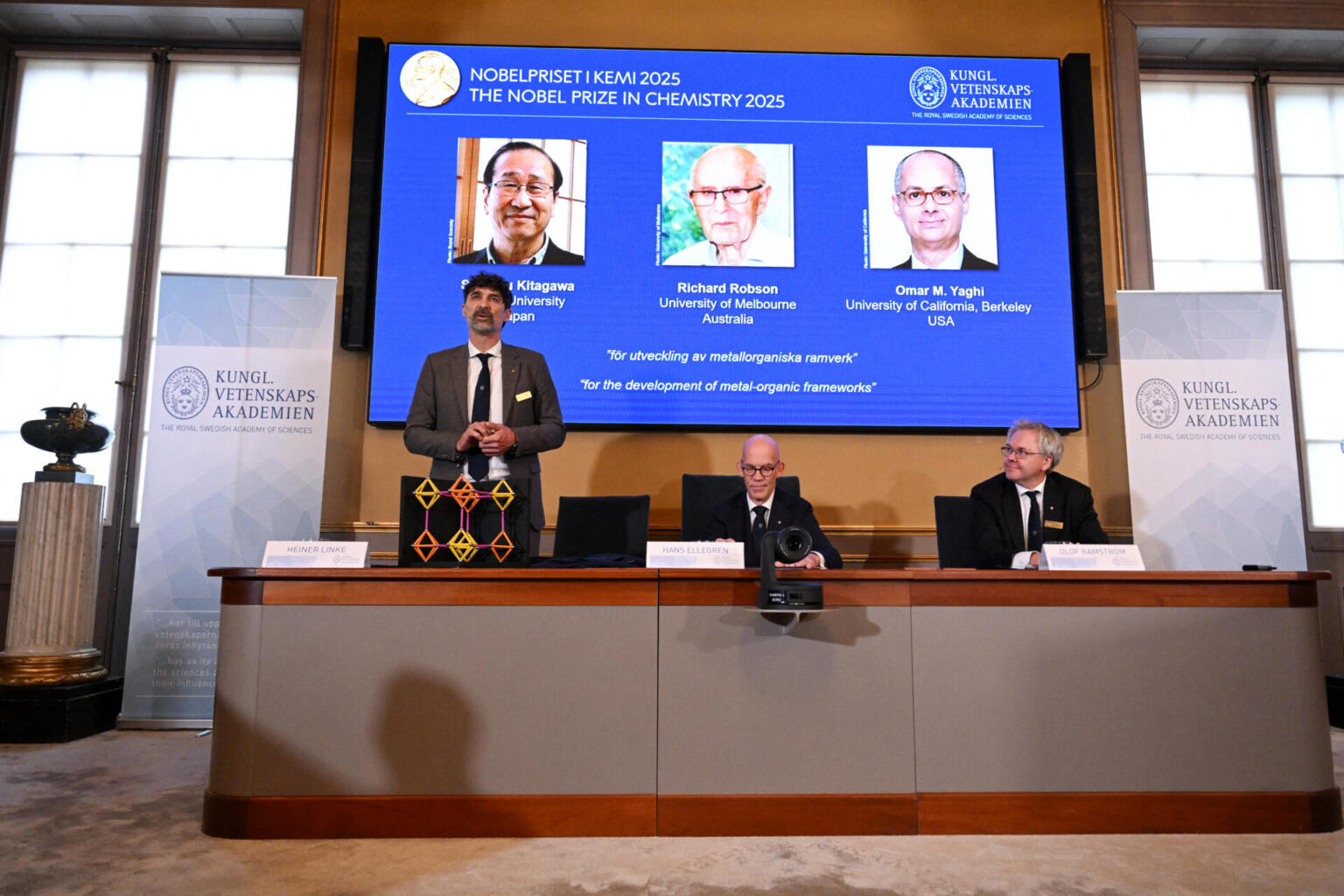
The same day, Chemistry honored Henri Kagan and Kenso Soai for breakthroughs in asymmetric synthesis — methods for building molecules in a single "handed" form rather than mirror-image mixtures. Their chemistry underpins how modern drugs are manufactured: the right-handed version heals, the wrong one can harm, and Kagan and Soai's work made choosing possible at industrial scale. Read the full Chemistry 2026 breakdown.
Literature: Anne Carson

October 8 brought the Literature prize to Canadian poet, essayist, translator and classicist Anne Carson, honored for a bold and inventive body of work that fuses ancient Greek myth with modern life. From Autobiography of Red to her genre-defying essays, Carson has spent decades refusing the boundaries between poetry, scholarship and prose — and Stockholm finally said yes. Read the full Literature 2026 breakdown.
Peace: Navi Pillay
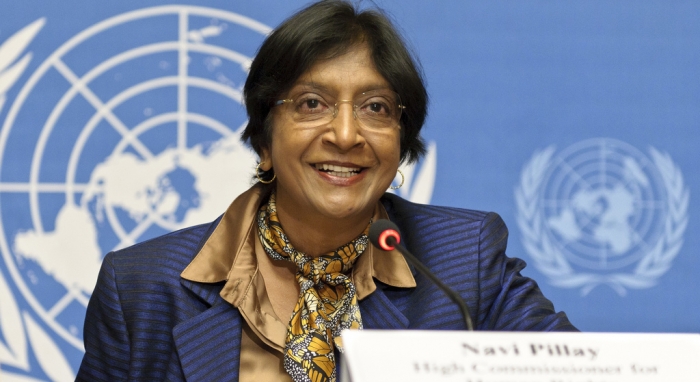
On October 9, the Peace prize went to South African jurist Navanethem "Navi" Pillay, 85, for her lifetime of work promoting peace through international law. A former UN High Commissioner for Human Rights and judge on international tribunals, Pillay spent decades turning the abstract idea of accountability for atrocities into functioning institutions. Read the full Peace 2026 breakdown.
Economic Sciences: Hall and Woodford
The final prize, announced October 12, went to Robert E. Hall (Stanford) and Michael Woodford (Columbia) "for microeconomic foundations of macroeconomic stabilisation" — models that help governments and central banks smooth out the economy's booms and busts. Hall chairs the NBER committee that officially dates US recessions; Woodford's work on expectations reshaped how central banks communicate. Notably, the prediction markets missed them entirely — the pre-announcement frontrunners never stood a chance. Read the full Economics 2026 breakdown.
Nobel Prize 2026: Frequently Asked Questions
Who won the Nobel Prize in 2026? All six 2026 laureates: Deisseroth, Hegemann and Nagel (Medicine), Francis Halzen (Physics), Henri Kagan and Kenso Soai (Chemistry), Anne Carson (Literature), Navi Pillay (Peace), and Robert E. Hall and Michael Woodford (Economics).
When were the 2026 Nobel Prizes announced? Medicine on October 6, Physics and Chemistry on October 7, Literature on October 8, Peace on October 9, and Economics on October 12, 2026.
How much is the Nobel Prize worth in 2026? Each prize is worth 12 million Swedish kronor — roughly $1.2 million — shared among that prize's laureates.
When is the 2026 Nobel Prize ceremony? The medals are presented in Stockholm on December 10, 2026, the anniversary of Alfred Nobel's death. (The Peace Prize is presented separately in Oslo.)
Where can I read about each 2026 winner in detail? Every prize has a full breakdown on this blog — Medicine, Physics, Chemistry, Literature, Peace and Economics — linked in the sections above.
The conversation
Post a Comment