How to Start a Blog 2026: Step-by-Step Guide
Starting a blog in 2026 is still one of the smartest ways to build an online income. Search engines send billions of clicks to blogs daily, and you can launch your first blog for free. The catch? Competition is tougher, so you need a real strategy — not just a domain and a dream. This guide walks you through the exact seven steps to launch, grow, and monetize a blog from zero.
- You can start a blog for free on Blogger or WordPress.com, or under $100/year with self-hosted WordPress.
- Pick a niche with proven search demand, not just passion — passion alone doesn't pay.
- Publish helpful, search-intent content consistently; SEO and email are your real traffic engines.
- Monetize with display ads, affiliate marketing, and digital products once traffic grows.
Step 1: Pick a Profitable Niche
Your niche is the foundation of everything. The sweet spot sits where three circles overlap: something you can write about for years, topics people actively search for, and products or services you can eventually promote. Skip this step and you'll burn out writing about things nobody Googles.

Strong beginner niches in 2026 include AI tools and productivity, personal finance and side hustles, health sub-niches, and skill-based hobbies like photography. Validate demand first: check Google Trends for rising interest and see whether competitors run ads or sell products — that's proof money exists. Then ask if you could write 100 articles on the topic without getting bored. If not, keep looking.
Step 2: Choose Your Blogging Platform
There are four realistic options. Blogger is Google's free blogging platform (acquired in 2003) — free hosting on a blogspot.com subdomain, with custom-domain support. WordPress.org is the free, open-source software powering a huge share of the web, but you must buy your own hosting. WordPress.com offers a hosted free tier with platform ads and a wordpress.com subdomain. Medium is free to publish on, and its Partner Program now covers most Stripe-supported countries, paying writers based on member engagement.
| Platform | Cost | Control | Monetization | Best For | |
|---|---|---|---|---|---|
| Blogger | Free (custom domain extra) | Medium | AdSense, affiliates, sponsored posts | Free start, Google ecosystem | |
| WordPress.org | Free software + hosting (~$3+/mo starter plans) | Full ownership | Anything — no restrictions | Long-term, serious bloggers | |
| WordPress.com | Free tier with ads; paid plans remove limits | Low on free tier | Restricted below paid plans | Hobby blogs, zero maintenance | |
| Medium | Free to publish | Low (platform rules apply) | Partner Program (country-limited) | Writers who want a built-in audience |
My recommendation: start free on Blogger to learn the ropes, and move to WordPress.org when you're ready to scale. Avoid platform-hopping every few months — pick one and commit for at least a year.
Step 3: Get a Domain Name and Set Up
A custom domain makes your blog look professional and is easier to brand. Domains typically cost around $10–15 per year from most registrars, though prices vary — always check current pricing before buying. Choose a short, memorable .com if possible, avoid hyphens and numbers, and skip trademarked words.
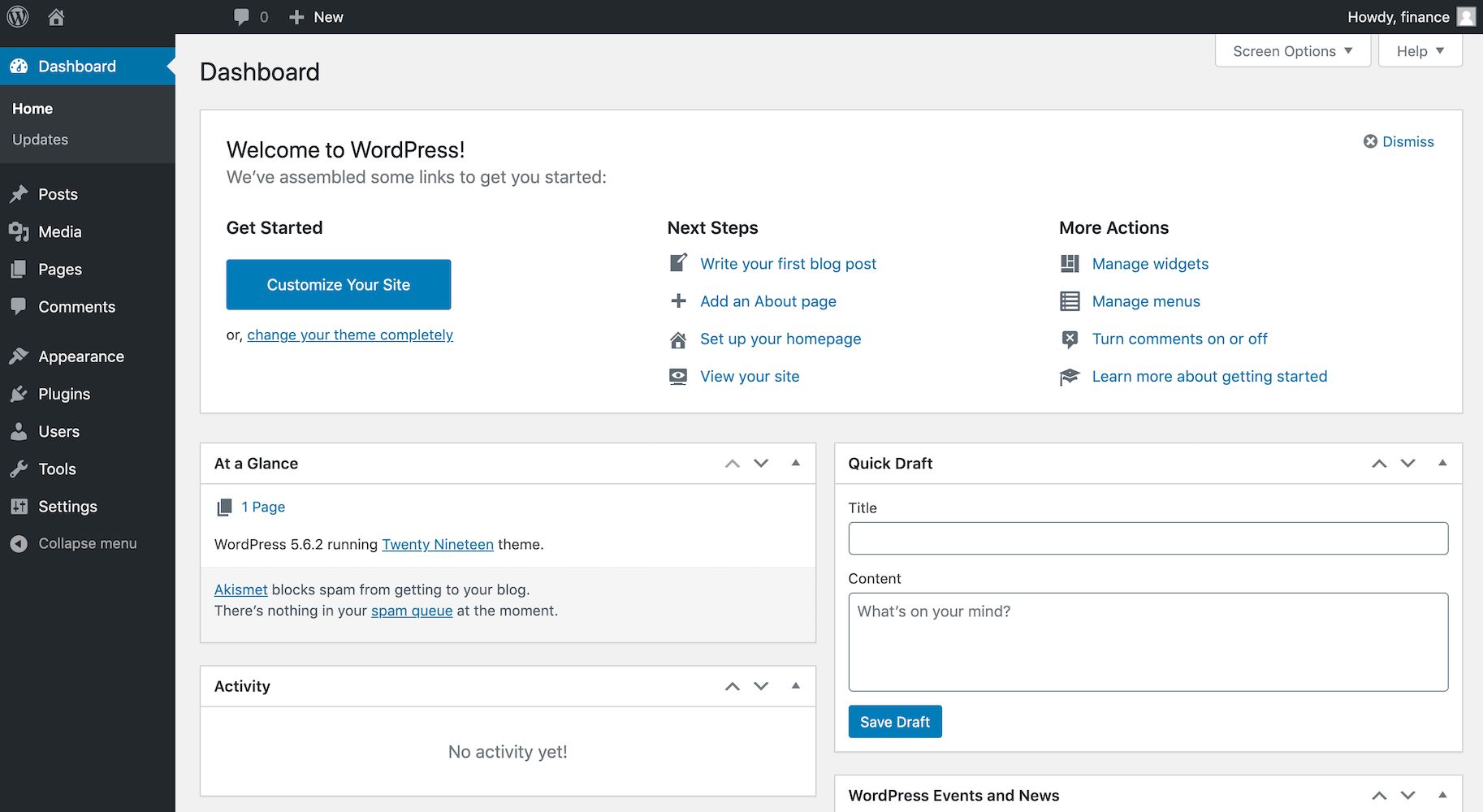
On Blogger, you can map a custom domain in the settings panel in a few clicks. On WordPress.org, buy starter hosting — shared plans from around $3 per month are enough to begin — then install WordPress with your host's one-click installer, connect your domain, and enable a free SSL certificate (most hosts include one). From account creation to a live blog, the whole process takes under an hour.
Step 4: Design Basics and SEO Setup
Don't overthink design. Pick a clean, mobile-friendly theme, add a simple logo, and create three essential pages: About, Contact, and Privacy Policy. Then handle the technical SEO basics that Google actually cares about: clean permalink structure (post titles in URLs), HTTPS enabled, fast loading times, and descriptive meta titles for every post.
Connect Google Search Console on day one — it's free and shows which queries bring visitors. Write descriptive alt text for every image, and make sure your site works perfectly on phones, since most readers arrive on mobile.
Step 5: Build a Content Plan That Ranks
Content is where blogs win or die. Aim for one to two quality posts per week rather than five thin ones. Target specific questions your audience types into Google ("how to start a blog with no money") instead of broad terms ("blogging") — Google's autocomplete and the "People also ask" box reveal real search intent for free.
Structure every post to win: a clear headline, a short summary up top, subheadings every few hundred words, and a FAQ answering follow-up questions. Write cornerstone guides (1,200+ words) on core topics, link related posts together, and offer an email newsletter signup from day one — your list is the only traffic source you truly own.
Step 6: Monetize Your Blog the Honest Way
Here's the realistic playbook, in the order most blogs unlock it. Display ads (AdSense, Adsterra, or similar) pay per visitor and need meaningful traffic before they matter — treat ads as your baseline, not your jackpot. Affiliate marketing pays commissions on products you recommend and is the top earner for most small blogs; our beginner's guide to affiliate marketing shows how to start without an audience.

Digital products — ebooks, templates, mini-courses — keep nearly 100% of each sale and scale well. Freelance services turn your blog into a portfolio attracting clients who pay far more than ads ever will. And an email newsletter lets you sell sponsorships and products directly to loyal readers. Expect three to six months of consistent publishing before meaningful income; anyone promising faster is selling you something.
Step 7: Drive Traffic That Compounds
SEO is your primary engine — Google traffic compounds because old posts keep ranking while new ones add on top. Target low-competition keywords first, update your best posts yearly, and build internal links between related articles so authority flows through your site.
Your second engine should be Pinterest, which works like a visual search engine and sends free, lasting traffic to posts. Email subscribers about new articles, share on one or two social platforms (not all of them), and answer questions in niche communities with genuinely helpful replies. Guest posting on established blogs in your niche still earns traffic and backlinks.
Beginner Mistakes to Avoid
- Expecting overnight income. Blogging is a 6–12 month game. Quitting at month three is the most common failure.
- Publishing inconsistently. One post a week for a year beats ten posts in January and silence after.
- Ignoring the email list. Algorithms change; your subscriber list doesn't. Start collecting emails on day one.
- Writing for yourself instead of searchers. Check what people actually ask before choosing topics.
- Copying competitors. Rewrite topics in your own words with original examples — duplicate content earns nothing.
- Obsessing over design. A plain theme with great articles beats a beautiful blog with three posts.
Frequently Asked Questions
How much does it cost to start a blog in 2026?
You can start completely free on Blogger or WordPress.com. With a custom domain (typically $10–15/year) and starter hosting (from around $3/month), a self-hosted WordPress blog costs roughly $50–100 in its first year.
How long until a blog makes money?
Most consistent bloggers earn their first income — often from affiliates — within 3–6 months, and meaningful monthly income after 9–18 months. Traffic, not time alone, is the trigger.
Should I use a free or paid blogging platform?
Free platforms are ideal for learning and validating your niche. Move to self-hosted WordPress.org when you want full control and unrestricted monetization.
How often should I publish new posts?
One to two quality posts per week is the sweet spot for beginners. Consistency matters more than volume — Google rewards blogs that publish reliably over months.
Can I blog anonymously?
Yes. Use a pen name, avoid personal photos, and register your domain with privacy protection. Many successful niche bloggers never show their face.
What is the best blog niche in 2026?
The best niche combines your knowledge with proven demand: AI productivity tools, personal finance, specific health topics, and hobby skills all show strong search interest. Validate with Google Trends before committing.
Is Blogger or WordPress better for beginners?
Blogger is simpler and free forever, ideal for your first blog. WordPress.org offers more power and ownership but requires hosting and basic maintenance. Start simple; upgrade when growth demands it.
Do blogs still make money in 2026?
Yes — ads, affiliate marketing, and digital products still generate real income for blogs with targeted traffic. AI changed how people search, but detailed, experience-based content keeps ranking and converting.
Starting a blog in 2026 comes down to a simple formula: pick a niche with real demand, choose a platform you'll stick with, publish helpful content weekly, and monetize honestly as traffic grows. You won't get rich in a month — but a year of consistent work builds an asset that pays for years. Your first post doesn't need to be perfect; it just needs to be published.
The conversation
Post a Comment