World Mental Health Day 2026: Powerful Theme & How to Join
- Observed every October 10 since 1992, World Mental Health Day raises awareness and fights stigma.
- WHO's 2026 theme — "Lived Experiences Heard: Real Voices, Real Change" — puts people with lived experience at the heart of policy.
- Join in: start honest conversations, check in on loved ones, and share crisis lines (US 988, Canada 9-8-8, UK 116 123).
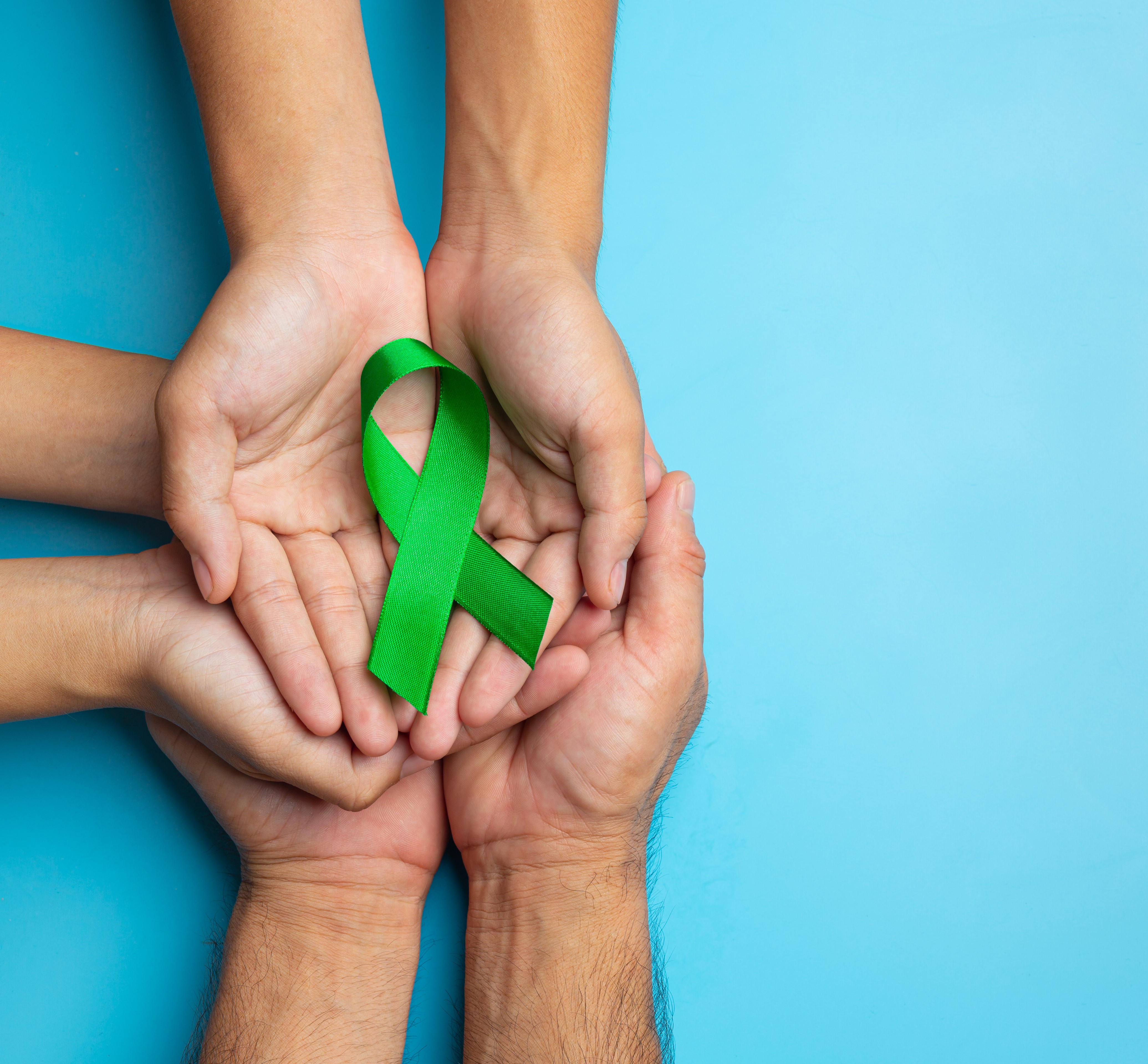
What Is World Mental Health Day?
World Mental Health Day is observed every year on October 10. It was first held in 1992 at the initiative of the World Federation for Mental Health, a global membership organisation dedicated to mental health advocacy — which means 2026 marks the 35th observance of the day.
The purpose has stayed remarkably consistent across three decades: raise awareness of mental health issues around the world, reduce the stigma that keeps people from seeking help, and mobilise efforts to support better mental health care. Governments, health organisations, schools, workplaces and community groups in dozens of countries run events, campaigns and conversations each October 10.
What sets this day apart is its scope: mental health touches every family, workplace and community on the planet, yet stigma still stops millions from talking about what they are going through. That is exactly what this day exists to change.

The 2026 Theme: "Lived Experiences Heard: Real Voices, Real Change"
The World Health Organization sets a global theme each year, and for 2026 it is "Lived Experiences Heard: Real Voices, Real Change": mental health policies and services should be shaped by the people who live with mental health conditions.
For most of history, these policies were designed top-down, with patients treated mainly as recipients of care. The 2026 theme turns that around: someone who has navigated depression, anxiety or PTSD knows things no textbook can teach — and that knowledge should drive how services are designed and funded.
The theme is resonating worldwide. Experts quoted by the Hindustan Times say people with lived experience of mental illness can help shape policies, while Canada's Public Health Agency marked the 2026 day with its own ministerial message on the same theme. Medical bodies such as Australia's Royal College of General Practitioners and outlets from Bermuda to Florida have also centred this year's lived-experience focus.
In plain terms: listen — to the colleague managing anxiety, the young person who came through an eating disorder — then bring those voices into the rooms where decisions are made.
"Experts by Experience": Why Lived Experience Matters
The 2026 theme carries serious scientific backing: in June 2024, the Lancet Psychiatry Commission described people with lived experience as "experts by experience" — people whose first-hand knowledge enriches research and policy.
Why does this matter in practice? Because services designed without the people who use them often miss what matters most: a clinic can look perfect on paper yet feel unwelcoming to someone in crisis, and a workplace programme can go unused if employees fear being judged for accessing it. People who have been through the system know where it breaks — and their insight is the fastest route to fixing it.
There is an anti-stigma effect, too. When real people speak openly about their mental health, it normalises the conversation: the colleague who hears "I take medication for anxiety and I'm thriving" is far less likely to suffer in silence. Lived experience, shared voluntarily, is one of the most effective stigma-busting tools we have.
Science backs the hope, too: brain research keeps opening new doors — from new therapies to the 2026 Nobel Prize-winning optogenetics research. But breakthroughs must reach real people, and lived experience is what turns a good discovery into a good outcome.
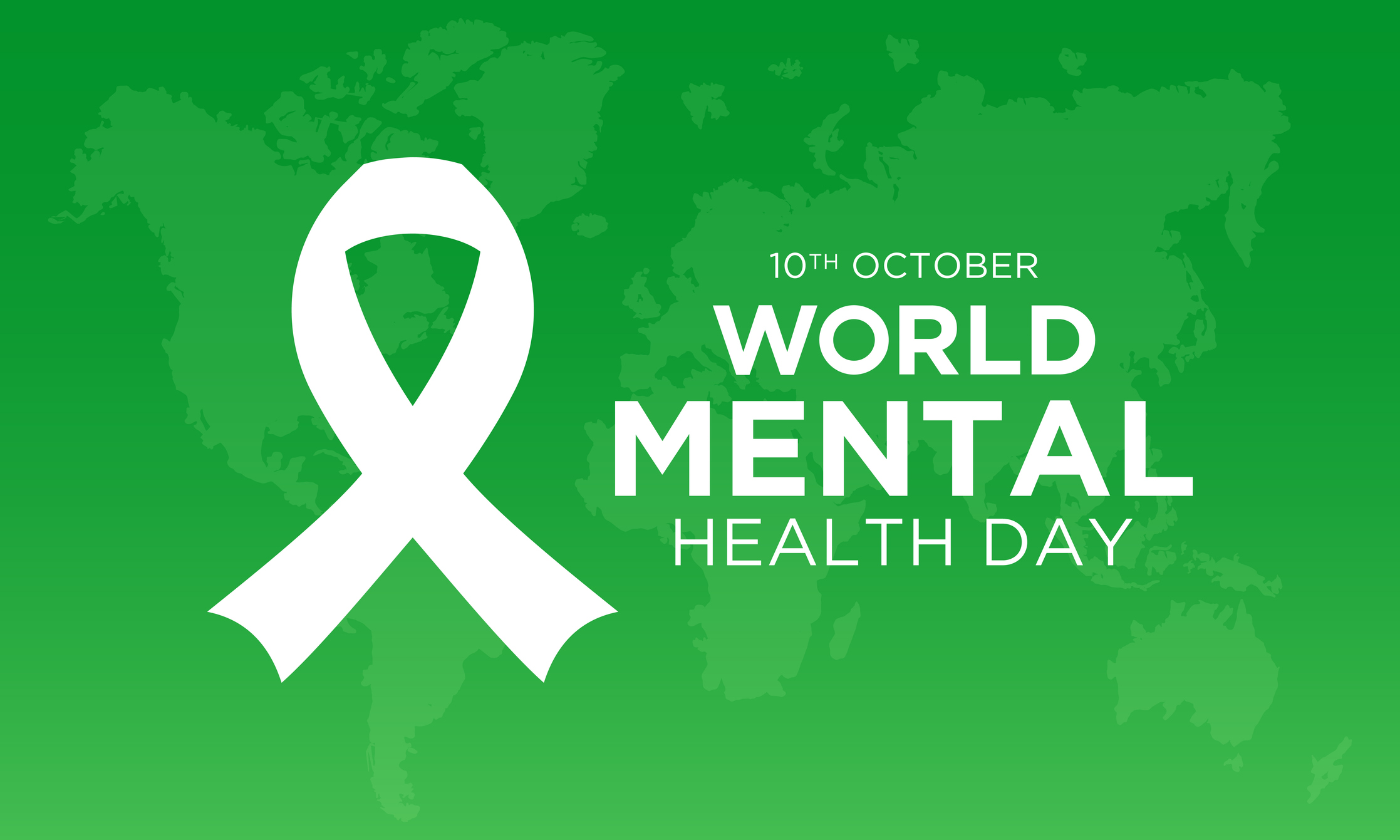
The Numbers: Why Mental Health Can't Wait
The data makes the case in seconds. The World Health Organization says more than 1 billion people worldwide live with mental health disorders, with anxiety and depression the most common. Depression and anxiety together cost the global economy an estimated $1 trillion every year in lost productivity.
Those global figures are striking, but national data shows how the burden plays out closer to home. The table below compares the worldwide picture with the latest figures from Australia:
| Indicator | Global (WHO) | Australia (health.gov.au) |
|---|---|---|
| People affected | Over 1 billion people live with mental health disorders | 1 in 5 adults experience a mental health challenge each year; almost half of Australians in their lifetime |
| Most common conditions | Anxiety and depression | — |
| Economic scale | Depression and anxiety cost the global economy about $1 trillion annually | $1.1 billion federal investment in mental health services |
| Care access | Varies widely by country | 32 new Medicare Mental Health Centres (570,000+ free walk-in appointments); 176 headspace centres for young people |
The takeaway: this is not a rare problem. One billion people worldwide, one in five Australian adults each year — mental health conditions are among the most common human experiences. The question is what your community does about it.
Australia's "Together We Thrive" Message
Australia marks the day with its own national message: "Together We Thrive," from an Australian Government Department of Health release on October 10, 2026. To be clear: that is Australia's campaign slogan, not the WHO's global theme, which remains "Lived Experiences Heard: Real Voices, Real Change."
Behind the slogan is serious investment. According to the Australian Government Department of Health's 2026 media release, the government has invested $1.1 billion, including 32 new Medicare Mental Health Centres that have delivered more than 570,000 free walk-in appointments. For young people, 176 headspace centres provide early support nationwide.
The need is clear: one in five adults experiences a mental health challenge each year, and almost half of Australians will in their lifetime. When a condition is that common, free walk-in services are not a luxury — they are infrastructure. Other countries may take note: lowering the barrier to that first conversation is often the hardest, most important step.
How to Take Part This October 10
The 2026 theme is an invitation to ordinary people: your voice counts. Here are five concrete ways to join in today:
- Start one honest conversation. Ask a friend or colleague how they really are — and listen. You don't need to fix anything; being heard is powerful on its own.
- Check in on someone quiet. If someone has gone silent or cancelled plans, reach out. A simple "I've been thinking of you" can open a door.
- Join or organise an event. Schools and workplaces run talks, walks and fundraisers every October 10. If yours doesn't, suggest one — even a 15-minute check-in counts.
- Share the message. Post the 2026 theme, a personal reflection or a resource on social media. Visibility fights stigma.
- Support the cause. Donate to or volunteer with a mental health charity — ideally one led by people with lived experience.
Mental health support matters most when communities are under strain — as our explainer on Kenya's first Ebola case shows, health emergencies leave psychological scars long after headlines fade.
And if you or someone you know needs help right now, don't wait for an awareness day. These helplines are free, confidential and available around the clock:
| Country | Helpline | How to reach it |
|---|---|---|
| United States | 988 Suicide & Crisis Lifeline | Call or text 988 |
| Canada | 9-8-8 Suicide Crisis Helpline | Call or text 9-8-8 |
| United Kingdom | Samaritans | Call 116 123 |
FAQ About World Mental Health Day 2026
When is World Mental Health Day 2026?
It is today — October 10, 2026. World Mental Health Day is observed on October 10 every year.
What is the theme of World Mental Health Day 2026?
The WHO's global theme for 2026 is "Lived Experiences Heard: Real Voices, Real Change" — policies and services shaped by people with lived experience.
Who started World Mental Health Day?
It was started in 1992 by the World Federation for Mental Health, to raise awareness and reduce stigma.
Is "Together We Thrive" the WHO theme for 2026?
No. "Together We Thrive" is Australia's national message for 2026, from its Department of Health. The WHO global theme is "Lived Experiences Heard: Real Voices, Real Change."
What does "experts by experience" mean?
It is a term from the Lancet Psychiatry Commission (June 2024): people with lived experience of mental health conditions hold a form of expertise that enriches research, services and policy.
Where can I get help right now?
Call or text 988 in the US (Suicide & Crisis Lifeline), 9-8-8 in Canada (Suicide Crisis Helpline), or 116 123 in the UK (Samaritans). All are free, confidential and available 24/7.
World Mental Health Day 2026 carries a simple, radical idea: people who have lived through mental health challenges should sit at the centre of the response — the same shared-humanity spirit behind the 2026 Nobel Peace Prize honouring Navi Pillay. Start one conversation today, and keep the real voices heard.
The conversation
Post a Comment