The Analog Revival: Why Gen Z Is Buying Vinyl Records, Film Cameras and Cassettes in 2026
7 November 2026
Imagine walking into a young person's bedroom in 2026.
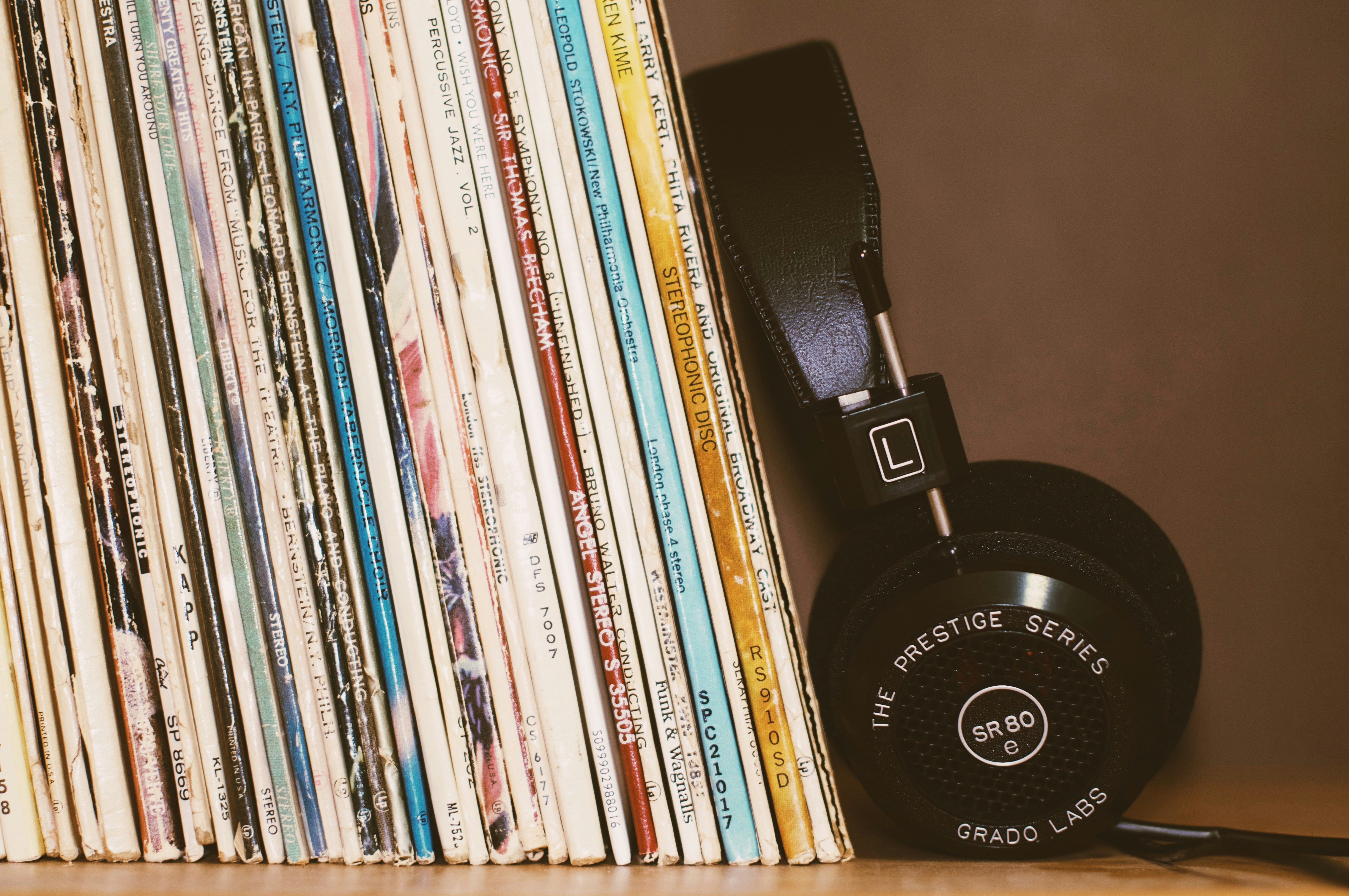
A record player sits on a wooden shelf. Beside it is a collection of vinyl albums, carefully arranged by colour. There are also a few cassette tapes, a film camera and a disposable camera nearby.
There is something unusual about this scene.
Almost everything in the room could be considered outdated technology. The music could be streamed instantly, the photographs could be taken on a smartphone and the tapes could be replaced by playlists. Yet these young consumers are deliberately choosing the older alternatives.
This is not simply a matter of collecting antiques or decorating bedrooms with vintage objects. Across the world, young people are buying vinyl records, film cameras, cassette tapes, disposable cameras, retro compact cameras and old iPods.
In 2026, the analog revival has become an increasingly visible cultural and commercial phenomenon. Vinyl sales are still rising after almost two decades of growth, film photography is attracting a new generation and disposable cameras are a billion-dollar market.
The interesting question is not simply why old technology is returning.
It is why people who grew up surrounded by smartphones, instant messaging, streaming platforms and digital cameras are choosing slower, less convenient alternatives.
The answer involves nostalgia, design, personal identity, creativity, collecting, and a growing appreciation for experiences that require attention and patience.
The analog revival does not mean that technology is moving backwards. Instead, it suggests that consumers are searching for balance: digital convenience for everyday life and physical objects for the moments that matter most.
Key Takeaways
- Vinyl record sales in the United States have risen for 19 consecutive years, reaching 47.9 million albums in 2025, according to Luminate.
- Film photography is attracting a new generation of younger users, and disposable cameras have become a substantial commercial market.
- Kodak resumed direct distribution of selected consumer films in 2025.
- Cassette tapes are growing, although they remain a small part of the overall music market.
- Retro compact cameras, old iPods and wired headphones are also returning, showing that the trend is broader than vinyl alone.
- The revival is driven by a desire for physical objects, focused experiences and personal collections rather than only nostalgia.
- Social media has helped make analog products more visible, but sales data suggest the movement is more than an online trend.
- There are real costs and uncertainties, including the price of equipment, film and processing, and the question of whether the trend will last.
1. What Exactly Is the Analog Revival?
The analog revival describes renewed consumer interest in physical formats, mechanical devices and technologies that existed before smartphones, streaming and digital cameras.
Traditional vinyl records, film cameras and cassette tapes are among its most recognisable examples.
However, the movement also includes older digital technologies, such as compact cameras from the early 2000s, portable music players such as iPods, and wired headphones.
Strictly speaking, these products are not all analog.
A vinyl record stores sound through physical grooves. Film photography records images through chemical reactions. A cassette stores music on magnetic tape.
An iPod, by contrast, is a digital music player. An early Sony Cyber-shot camera also captures digital images.
Nevertheless, these products share an important characteristic: they offer a more dedicated and sometimes simpler experience than a general-purpose smartphone.
A record player is designed primarily for listening to records. A film camera is designed to take photographs. A cassette player is designed to play tapes. A smartphone combines all these activities with messaging, social media, browsing, notifications and many other functions.
This distinction helps explain why the revival is broader than a simple return to old technology.
Consumers are not necessarily rejecting digital devices. They are rediscovering the appeal of having dedicated devices for specific activities.
There is also something different about discovering an album, a camera or a cassette player as an adult rather than inheriting it from a parent.
The difference between nostalgia and genuine demand
Nostalgia is an obvious part of the story, but it cannot explain everything.
Some young consumers remember cassette players and compact cameras from childhood. Others have discovered them for the first time through social media.
For people born after the early 2000s, a cassette player may be less a memory of their childhood than a new object with a distinctive appearance.
This creates an interesting cultural situation.
Older generations may associate vinyl records with the music they listened to growing up. Younger buyers may associate them with record shops, social media posts and album artwork.
The object remains the same, but its meaning changes.
The analog revival is therefore not exclusively about remembering the past. It is also about creating new experiences with objects that happen to be old.
2. Vinyl Records Are Experiencing Another Historic Year
Few examples demonstrate the strength of the analog revival more clearly than vinyl records.
For years, streaming platforms appeared to have made physical music collections unnecessary. A listener could access almost any song instantly, often through a monthly subscription.
Nevertheless, vinyl has continued to attract buyers.
According to Luminate's 2025 Year-End Music Report, US vinyl sales increased for the 19th consecutive year.
The company reported 47.9 million vinyl albums sold in the United States during 2025, representing an increase of 0.3% compared with 2024.
This is particularly interesting because vinyl is no longer simply a niche format for collectors of older music.
New releases by contemporary artists are contributing to its popularity, while established albums continue to sell steadily.
The data also demonstrates the importance of independent record shops. Luminate reported that approximately 52% of vinyl albums were purchased at independent retailers, suggesting that physical record shops remain an important part of the market.
For example, finding an album in a record shop, taking it home and listening to it from beginning to end is a very different experience from adding a song to a playlist.
It is worth remembering that vinyl is not a new format. It has existed for many decades and has survived several changes in music technology.
In addition, vinyl buyers are not only older collectors. Many are younger listeners who have discovered the format through friends, social media or live music.
2.1 Why vinyl continues to attract younger listeners
The appeal of vinyl is not limited to its sound.
A record is a physical object that requires interaction.
The listener chooses an album, removes it from its sleeve, examines the artwork, places it on the turntable and lowers the needle.
The process takes time.
Unlike streaming, where a listener can jump between songs within seconds, vinyl encourages a more deliberate listening experience.
This does not mean that vinyl listeners never skip songs. It simply means that the format naturally encourages listeners to hear an album in the order intended by the artist.
An album becomes something that can be held, displayed, collected and revisited.
The artwork also plays an important role.
Album covers become large visual objects rather than small thumbnails on a screen. Some releases include printed lyrics, posters or photographs.
For fans, purchasing a record can feel like owning a physical part of an artist's creative work.
2.2 Vinyl has become a collecting experience
Collecting is another important reason for the format's popularity.
A music collection can reflect someone's personality, interests and memories.
One person might collect classic rock albums. Another might focus on contemporary pop releases. Some collectors seek rare pressings or limited editions.
The search itself becomes part of the hobby.
Independent record shops offer opportunities to discover albums that listeners might never encounter through streaming recommendations.
Record fairs, second-hand markets and specialist online communities also allow collectors to exchange information and advice.
There is an important difference between listening to music and building a collection around it.
Streaming provides access to music. Vinyl provides a physical object that can become part of someone's home and identity.
It is also worth noting that collecting vinyl has become a social activity. People share their collections online, visit record shops together and attend record fairs.
2.3 What the RIAA figures tell us
The Recording Industry Association of America provides another important perspective.
Its 2025 Year-End Recorded Music Revenue Report, published in March 2026, reported that US vinyl revenues had reached approximately $1.043 billion.
The RIAA recorded approximately $1.043 billion in wholesale vinyl revenue, an increase of 9.3% compared with the previous year.
It also reported that vinyl had achieved 19 consecutive years of revenue growth.
One methodological distinction is important.
Luminate's 47.9 million figure measures vinyl albums sold to consumers, while the RIAA's 46.8 million figure measures units shipped to retailers.
These numbers describe different stages of the market and should not be treated as identical measurements.
Together, however, they demonstrate that vinyl is more than a temporary social media aesthetic.
It has become a significant part of the modern recorded music business.
3. Film Photography Is Finding a New Generation
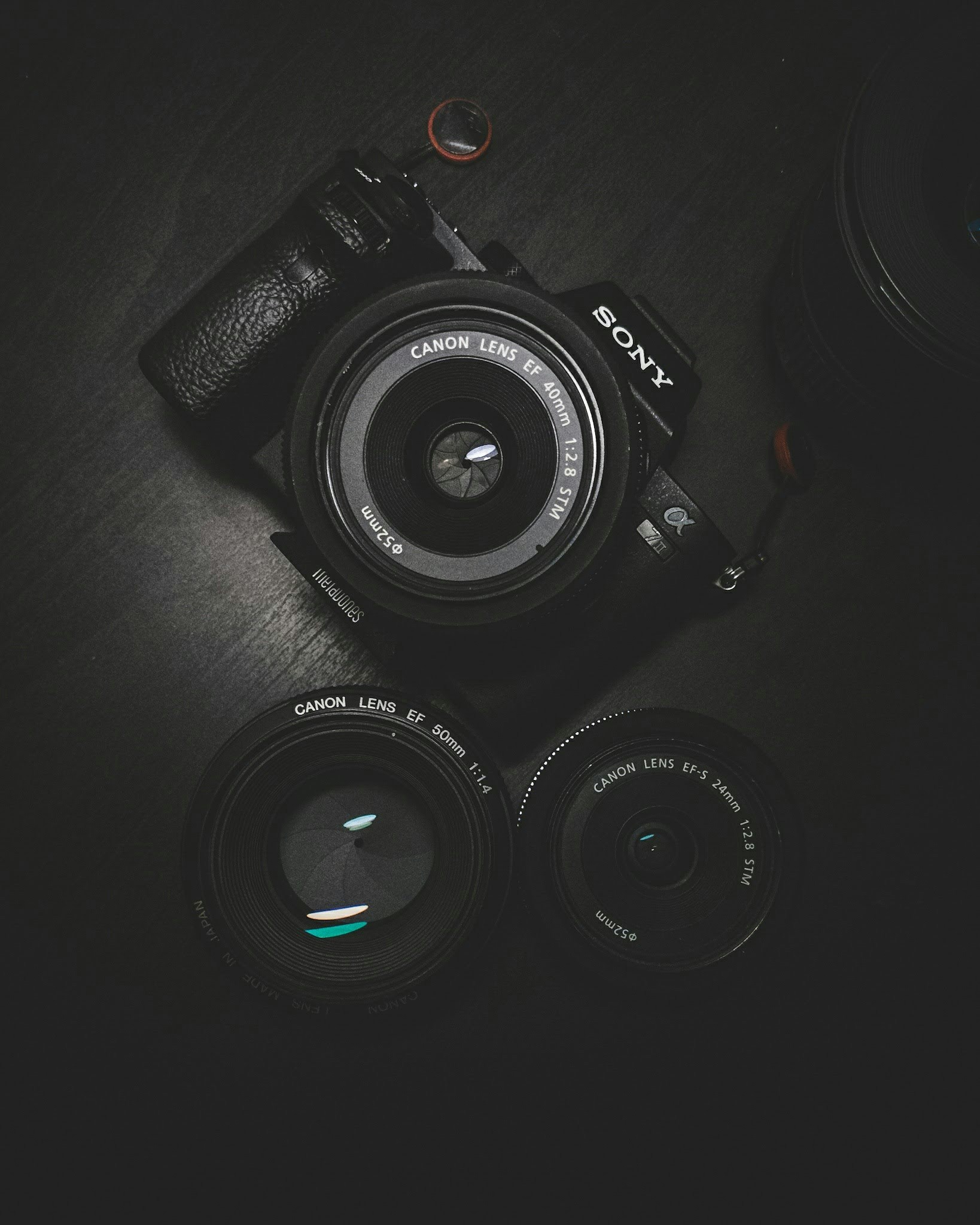
Photography has changed dramatically since the introduction of smartphones.
A modern phone can take hundreds of photographs, recognise faces, adjust exposure, remove unwanted objects and share images instantly.
For many people, photography has become something that happens automatically throughout the day.
Yet film photography offers a very different experience.
The photographer loads a roll of film, chooses the exposure, focuses the camera and presses the shutter.
Then comes the waiting.
The photograph cannot normally be reviewed immediately. The film must be developed before the final image becomes visible.
For younger photographers, this delay is becoming part of the attraction.
The format also appeals to people who enjoy slowing down and thinking more carefully about each photograph.
Film photography also has a practical side. A film camera does not require regular software updates, cloud storage or a monthly subscription.
3.1 Why Gen Z is discovering film cameras
A particularly interesting indication of the trend appeared in reporting published in 2026 by Fortune.
According to figures cited in their coverage, 35% of the estimated 42 million active film camera users are between 18 and 24 years old.
The same reporting noted a 41% increase in online searches for analog photography during the previous year.
These figures suggest that younger consumers are playing a meaningful role in the renewed interest in film photography.
Why does the format appeal to them?
One explanation is the difference between taking a photograph and creating one.
With a smartphone, it is easy to take multiple versions of the same picture. The photographer can choose the best one later and delete the rest.
Film introduces limitations.
A 36-exposure roll offers a limited number of photographs. Each exposure becomes a decision.
The photographer may need to think about light, distance, composition and timing before taking the picture.
This limitation can encourage greater attention.
It resembles writing a short letter instead of sending dozens of messages. When the available space is limited, each choice becomes more deliberate.
3.2 The attraction of imperfect photographs
Modern smartphone photography often aims for technical perfection.
Images are automatically sharpened, brightened and processed. Skin tones may be adjusted, shadows recovered and backgrounds blurred.
Film photography can produce something different.
Depending on the film stock, camera and lighting conditions, photographs may contain visible grain, unusual colours and soft details.
These characteristics are not always technical advantages.
In fact, some would be considered disadvantages in professional digital photography.
But the aesthetic is part of the appeal.
A photograph that looks slightly imperfect can feel personal and distinctive.
It may capture the atmosphere of a moment rather than simply reproducing every detail with maximum clarity.
The photographs often look different from digital images. They can feel warmer, softer or more nostalgic.
This helps explain why film photographs are frequently associated with holidays, family gatherings, friendships and personal memories.
The photographer is not always trying to create the technically best image.
Sometimes the objective is to create an image that feels memorable.
3.3 Film photography requires patience
One of the biggest differences between digital and film photography is the delay between taking a photograph and seeing the result.
For some photographers, this is inconvenient.
For others, it is one of the format's most enjoyable characteristics.
After finishing a roll, the photographer takes it to a laboratory or develops it independently.
The waiting period creates anticipation.
When the photographs finally arrive, there may be unexpected discoveries: an image that turned out better than expected, a photograph that was forgotten or a moment captured differently from how it was remembered.
This delayed experience changes how people interact with their photographs.
Instead of reviewing every image immediately, they experience the results later.
The process gives photography a beginning, a middle and an end.
4. Disposable Cameras Have Become a Surprisingly Important Market
Disposable cameras are among the most recognisable products associated with the analog revival.
They are relatively simple devices, usually containing a fixed lens, a preloaded film roll and, in many models, a built-in flash.
Once the available exposures have been used, the camera is taken to a laboratory for processing.
For people accustomed to smartphones, this might sound unnecessarily complicated.
Yet disposable cameras have found new uses at weddings, birthday celebrations, holidays, parties and other social events.
Their simplicity makes them accessible even to people who have never used a traditional film camera.
4.1 Why disposable cameras appeal to younger consumers
Disposable cameras remove many of the decisions associated with photography.
There is no complicated menu, no need to choose between multiple lenses and no pressure to edit photographs immediately.
The photographer simply points and takes a picture.
This simplicity is particularly useful during social events.
A disposable camera can be passed between friends. Guests can take photographs without worrying about damaging an expensive device.
The resulting images may contain unexpected expressions, unusual angles and imperfect framing.
That unpredictability is part of the experience.
4.2 The billion-dollar market claim
The commercial scale of this category is attracting attention.
Several market research providers have estimated that the global disposable camera market exceeded one billion dollars in 2025.
For example, Research Nester estimated the 2025 market at approximately $1.02 billion, while other research firms produced different estimates.
These figures require careful interpretation.
They are commercial market estimates, not audited global sales totals published by a single universal source.
Different research companies may define the market differently, including different camera types, distribution channels and geographic regions.
The safest conclusion is that disposable cameras represent a substantial commercial category that is larger than many people might expect.
The precise market value remains dependent on the research methodology.
4.3 Why weddings and events are embracing disposable cameras
One of the most interesting applications is event photography.
At weddings, disposable cameras can be placed on tables so guests can photograph the celebration from their own perspectives.
The results are often different from the carefully arranged photographs taken by professional photographers.
A guest might capture a conversation, a spontaneous dance, a funny expression or a moment happening in the background.
This creates a collection of memories that reflects the event from several different viewpoints.
The same idea works at birthdays, holidays and informal gatherings.
The camera becomes part of the activity rather than simply a tool used by one photographer.
However, disposable cameras are not automatically an environmentally friendly alternative to smartphones.
They contain plastic, batteries in some models and film-processing materials. Their environmental impact depends on how they are manufactured, used and disposed of.
Their popularity should therefore be considered separately from questions about sustainability.
5. Kodak Is Returning to Direct Film Sales
One of the most significant developments in the film photography market has involved Kodak.
For a company closely associated with the history of photography, the renewed interest in traditional film is particularly meaningful.
Kodak's relationship with the consumer film market has changed considerably over the past decade.
Following Eastman Kodak's 2012 bankruptcy restructuring, its public-facing photographic film business was transferred to Kodak Alaris, a separate company based in the United Kingdom.
This meant that the familiar Kodak name and the production and distribution of consumer film were not controlled by the same company for several years.
However, in 2025, Eastman Kodak began resuming direct distribution of selected consumer film products in the United States.
5.1 What changed in 2025?
According to DPReview's November 2025 reporting, Eastman Kodak resumed direct distribution of certain consumer film stocks.
The products included Kodak Gold 200 and Kodak Ultramax 400.
The company had also introduced Kodacolor 100 and Kodacolor 200, further demonstrating its renewed interest in the consumer market.
Kodak's stated intention included greater control over distribution and improved price stability.
This is an important development because film photography depends on more than consumer enthusiasm.
It requires a functioning supply chain.
Film must be manufactured, packaged, distributed, sold, developed and processed.
If demand rises but production and distribution remain limited, consumers may face higher prices and reduced availability.
A manufacturer returning more directly to the market can therefore become an important part of the infrastructure supporting the revival.
5.2 Why Kodak's decision matters
Kodak is one of the most recognisable names in photographic history.
For decades, its products helped make photography accessible to households, professionals and amateur photographers.
Its renewed involvement in consumer film distribution sends an interesting message.
Traditional photographic film is no longer being treated exclusively as a product for a small group of enthusiasts.
There is enough renewed commercial interest to justify additional attention from an established industry company.
However, this should not be confused with a complete return to the company's former market position.
Modern film production operates in a very different economic environment from the mass-market photography industry of the past.
The revival is meaningful, but it does not mean that film will replace digital photography.
6. Retro Compact Digital Cameras Are Back Too
Not every participant in the analog revival is purchasing chemical film.
An interesting part of the broader movement involves older compact digital cameras.
These are the small point-and-shoot devices that became popular during the 2000s.
Before smartphones became sophisticated photographic tools, compact cameras were common accessories for holidays, parties and everyday photography.
They were portable, relatively simple and usually included a built-in flash.
Today, some younger consumers are rediscovering these devices.
The return of compact cameras also shows how trends can move in unexpected directions. A product that was considered obsolete only a few years ago can become desirable again.
Another reason for their popularity is their size. A compact camera fits easily into a pocket or a small bag, making it convenient for everyday use.
6.1 Why choose an old digital camera over a smartphone?
The answer is partly aesthetic.
Older compact cameras often produce images that look different from modern smartphone photographs.
They may have lower resolutions, limited dynamic range, visible digital noise and distinctive colour characteristics.
Their built-in flashes can also create a particular photographic style.
These characteristics can produce images that feel less polished than those generated by modern phones.
For some users, that is exactly the point.
A smartphone photograph can be adjusted through dozens of editing tools. An older camera offers fewer options.
The resulting image can have a distinctive character.
6.2 The popularity of early-2000s camera designs
Models from the Canon PowerShot, Sony Cyber-shot and Nikon Coolpix families are frequently associated with the revival.
Their compact bodies, physical buttons and simple controls offer an experience that differs from smartphone photography.
Some models have also become desirable second-hand purchases.
However, the return of interest in these cameras does not mean that every old digital camera is now valuable.
Prices depend on the model, condition, availability, functionality and demand.
Buyers should also remember that older cameras may have deteriorating batteries, damaged screens, unavailable accessories or other faults.
A camera that looks attractive in an online photograph may require repairs before it becomes usable.
The revival has created renewed interest, but buying vintage electronics still requires careful research.
7. The Unexpected Return of the iPod
Perhaps one of the most surprising examples of the analog-inspired movement is the return of interest in older iPods.
Apple discontinued its iPod product line in 2022, ending a remarkable chapter in portable music history.
Yet interest in older models has not disappeared.
In February 2026, Axios reported renewed interest in older iPods and highlighted increased searches on second-hand marketplaces.
According to figures shared in its reporting, eBay searches for the iPod Classic increased by 25%, while searches for the iPod Touch increased by 53%.
The attraction is not difficult to understand.
An iPod offers something that a smartphone does not always provide: a dedicated music environment.
7.1 A music library without endless notifications
A smartphone is rarely used for just one activity.
A person may begin listening to music and then receive a message, open a social media application, check the news or respond to an email.
An iPod removes much of this distraction.
It has a more limited purpose.
The listener chooses music from a stored library and presses play.
There is no requirement to scroll through a recommendation feed or respond to notifications.
For some users, this creates a more focused listening experience.
It also restores a relationship with personal music collections.
Instead of accessing music through a monthly subscription, users can build libraries containing albums they have chosen themselves.
7.2 The attraction of physical controls
The iPod's design also contributes to its renewed appeal.
Its click wheel became one of the most recognisable control systems in consumer electronics.
Moving through a music library required physical interaction rather than tapping through a modern touch screen.
For people who enjoy older electronics, this design offers a different kind of satisfaction.
There is something appealing about operating a device with a clear purpose and a limited set of controls.
However, older iPods are not necessarily practical replacements for modern music players.
Battery deterioration, storage limitations, software compatibility and replacement parts can all become problems.
Their appeal is partly emotional and aesthetic, but their continued usability depends on the condition of the device.
8. Why Wired Headphones Are Returning
Another unexpected part of the broader retro technology movement is renewed interest in wired headphones.
Wireless earbuds have become a standard accessory for many smartphone users.
They are convenient, portable and remove the need for a physical connection.
Nevertheless, wired headphones are attracting attention again.
The appeal involves several practical and cultural factors.
8.1 Simplicity and reliability
Wired headphones do not require their own charging cycle.
There is no separate wireless connection to establish and no earbud battery that can unexpectedly run out.
They are also relatively simple to operate.
Plug them in, press play and listen.
For some consumers, that simplicity is valuable.
There are also practical differences in audio performance.
A wired connection avoids the wireless transmission and compression involved in many Bluetooth listening experiences.
It would be inaccurate to claim that every wired headphone automatically sounds better than every wireless headphone.
The advantage is that wired listening can provide a straightforward connection without depending on battery life or wireless pairing.
8.2 A different relationship with technology
Wired headphones also create a visible connection between the listener and the device.
Their appearance is associated with earlier generations of portable music players.
This makes them part of the same visual culture as iPods, cassette players and compact cameras.
BBC reporting in August 2026 described the renewed interest in older digital cameras and wired headphones among younger consumers.
The return of wired headphones does not mean wireless products are disappearing.
It suggests that consumers are becoming more willing to choose an accessory based on personal preference rather than simply following the newest standard.
9. Cassette Tapes Are Making Their Own Comeback
Vinyl has received much of the attention surrounding physical music formats.
However, cassette tapes are also experiencing renewed interest.
The cassette was once an essential part of everyday music culture.
People recorded songs from the radio, created personalised mixtapes and carried portable cassette players.
The format later lost much of its mainstream market as CDs, digital downloads and streaming became dominant.
Today, however, tapes are finding new audiences.
One of the most recognisable examples of this return is the renewed interest in portable cassette players, often associated with the original Walkman.
This idea helps explain why cassettes are appearing in record shops, online marketplaces and social media posts.
9.1 Why young people are buying cassette tapes
Part of the appeal comes from their physical nature.
A cassette is small enough to carry easily, and its transparent shell allows the magnetic tape inside to be seen.
The format also has a distinctive visual identity.
Mixtapes, handwritten labels, cassette cases and portable tape players are all associated with a particular period of music culture.
For younger consumers, these objects can be interesting precisely because they are unfamiliar.
A cassette also creates a different relationship with an album.
The listener must insert the tape, press the controls and sometimes rewind or fast-forward to find a particular song.
There is no instant search function.
The limitations become part of the experience.
There is also something appealing about being able to see the tape moving inside the cassette as it plays.
9.2 What the cassette numbers actually show
It is important not to exaggerate the size of this revival.
According to figures discussed in Forbes' analysis of Luminate's 2025 music data, approximately 446,000 cassette albums were sold in the United States during 2025.
That represented a 17.5% increase compared with 2024.
The growth rate is notable, but cassette sales remain small compared with vinyl and CDs.
This distinction matters.
A format can experience rapid percentage growth while remaining a relatively small part of the overall music market.
Cassette tapes are not replacing streaming or returning to their historical position as a dominant music format.
Instead, they are developing a smaller but commercially meaningful role within the physical music market.
9.3 Mixtapes and personal music collections
One reason cassettes remain culturally interesting is their association with personalised music.
Creating a mixtape required selecting songs, deciding their order and recording them onto a physical tape.
The result was a personal collection rather than an automatically generated playlist.
Mixtapes were frequently exchanged between friends, romantic partners and family members.
This tradition has an emotional dimension that is difficult to reproduce through an ordinary streaming playlist.
A cassette can be a gift, a memory and a physical representation of someone's musical taste.
For contemporary listeners, this is part of its appeal.
10. The Psychology Behind the Analog Revival
The return of vinyl, film cameras, cassettes and older electronics raises an important question.
Why would people voluntarily choose products that are less convenient than modern alternatives?
There is no single explanation, but several overlapping factors help make sense of the phenomenon.
These ideas do not operate in isolation. They often work together, with one person drawn to the physical object, another to the slower process and another to the sense of identity that a collection can provide.
It is also important to note that the revival is not only about objects. It is also about the activities that surround them, such as visiting record shops, developing film and sharing music with friends.
10.1 The desire for something tangible
Much of modern entertainment exists through digital accounts and online services.
A person can listen to an album without owning a physical copy. They can take thousands of photographs without printing any of them. They can watch films without owning a disc.
This is convenient, but it can also make experiences feel less tangible.
Physical objects offer a different kind of relationship.
A vinyl record occupies space. A cassette can be held. A film photograph can be placed inside a frame or kept in an album.
These objects remain visible even when they are not being used.
They can become part of a person's surroundings and identity.
This does not necessarily make physical media superior, but it explains why some consumers value it.
10.2 The appeal of limitations
Modern technology is designed to remove limitations.
Smartphones allow users to take unlimited photographs, edit them instantly and share them immediately. Streaming platforms provide almost endless music libraries.
Yet unlimited choices can sometimes make decisions less meaningful.
Analog formats introduce restrictions.
A film roll contains a limited number of exposures. A cassette has a fixed playing time. A vinyl record has two sides.
These restrictions encourage users to make choices.
The experience becomes less about having everything available and more about appreciating what has been chosen.
A useful comparison is the difference between visiting an enormous restaurant menu and enjoying a carefully prepared meal. More choices are not always the same as a better experience.
10.3 The pleasure of physical interaction
Touch is another important part of the experience.
Turning a record over, pressing a cassette button, loading film or adjusting a camera lens creates a sense of involvement.
These interactions are simple, but they can make technology feel more personal.
The device is no longer an invisible service running in the background.
It becomes an object that requires attention.
10.4 Personal identity and self-expression
The analog revival also offers opportunities for self-expression.
A carefully arranged vinyl collection can communicate musical preferences.
A vintage camera can reflect an interest in photography.
A collection of cassette tapes can demonstrate an appreciation for older music culture.
These products are not simply functional.
They can become part of someone's personal style.
This is particularly relevant in a consumer environment where many digital experiences look similar.
Physical objects allow people to develop collections that are unique to them.
11. Social Media Helped Make Analog Technology Visible Again
It may seem contradictory that social media platforms have helped popularise products associated with life before smartphones.
However, this contradiction is an important part of the revival.
Platforms such as TikTok, Instagram and Pinterest make it easy to share images of vinyl collections, film photographs and vintage cameras.
A person discovers a camera through a video, searches for the model online, purchases it second-hand and then shares their own photographs.
The cycle continues.
It is also worth noting that social media can make a trend appear bigger than it actually is. A product may seem extremely popular because it appears frequently in videos and photographs, even if only a small group of people are buying it.
11.1 The visual appeal of older technology
Analog products are naturally photogenic.
A vinyl record has a recognisable circular shape. A film camera contains visible mechanical controls. A cassette tape has a distinctive rectangular design.
These objects are visually different from many modern electronic devices.
Their designs often communicate their purpose immediately.
This makes them particularly suitable for visual content.
11.2 Communities and shared interests
Social media also allows people to discover communities organised around specific hobbies.
Film photographers can share their photographs, discuss film stocks and exchange camera recommendations.
Vinyl collectors can discuss pressing quality, rare albums and record shops.
Cassette enthusiasts can share collections and discuss portable players.
These communities help transform individual purchases into longer-term interests.
However, social media visibility should not be confused with universal adoption.
A trend can appear everywhere on a platform because recommendation algorithms repeatedly show similar content to interested users.
That does not necessarily mean that the majority of young consumers are participating.
The strongest evidence of the revival comes from combining cultural observations with measurable market data.
12. The Business Opportunities Behind the Analog Revival
The analog revival is not only a cultural development.
It also creates opportunities for businesses operating in several connected industries.
These include manufacturing, retail, repair, photography services and entertainment.
12.1 Independent record stores
Independent record shops are benefiting from the renewed interest in physical music.
They provide more than products.
Customers can discover music, ask questions, examine records and interact with other collectors.
This creates a shopping experience that is difficult to reproduce through a digital marketplace.
Some stores also organise listening sessions, live performances and special release events.
12.2 Film laboratories and photography services
Film photography requires processing.
Unlike digital photography, where images can be reviewed immediately, traditional film must pass through chemical development and scanning.
This creates demand for laboratories, scanning services and printing.
As interest in film grows, photography businesses may find opportunities to attract new customers.
However, film development requires specialised equipment, materials and technical knowledge.
The availability of these services varies considerably between countries and cities.
12.3 Vintage electronics and repair services
The renewed interest in older electronics also creates demand for second-hand equipment.
Businesses can sell refurbished cameras, portable music players and cassette decks.
Repair services may become increasingly valuable as consumers seek to maintain devices that are no longer manufactured.
This market has an important challenge: spare parts are not always easy to obtain.
A successful vintage electronics business therefore needs more than attractive products.
It needs technical knowledge, reliable testing procedures and realistic information about product condition.
12.4 Artists and physical merchandise
Musicians can also benefit from the popularity of physical formats.
Vinyl records and cassette releases offer additional ways to connect with fans.
Limited editions, alternative artwork and special packaging can make physical releases attractive to collectors.
For independent artists, these products can become part of a broader relationship with their audience.
However, manufacturing costs can be high, especially for small production runs.
Physical releases therefore require careful pricing and demand planning.
13. The Economics of Buying Analog Products
The analog revival may look attractive, but participating in it is not always inexpensive.
A consumer considering vinyl, film photography or cassette collecting should understand the full costs involved.
For many people, the costs are manageable if they start slowly and choose equipment carefully.
This is an important point for anyone considering a first purchase. It is better to begin with a modest setup and learn what you enjoy than to buy expensive equipment immediately.
13.1 Vinyl is more than the price of a record
Purchasing a vinyl album is only one part of the expense.
A listener may also need:
- A turntable.
- Speakers or headphones.
- A suitable amplifier, depending on the equipment.
- Cleaning accessories.
- Storage space.
- Protective record sleeves.
Some entry-level turntables include built-in speakers or amplification, but sound quality and equipment longevity vary considerably.
Records also require careful handling.
Dust, scratches, poor storage and incorrect playback equipment can affect their condition.
For someone building a large collection, these expenses can become significant.
13.2 Film photography has recurring costs
A film camera may be relatively inexpensive, particularly when purchased second-hand.
However, the cost of photography does not end with the camera.
Photographers must purchase film and pay for processing.
Scanning and printing can add further expenses.
The cost per photograph can therefore be considerably higher than taking an image with a smartphone.
This is one reason why some film photographers become more selective about what they photograph.
The limitation can encourage creativity, but it also has a financial dimension.
13.3 Cassette collecting requires compatible equipment
Cassette tapes may appear inexpensive compared with vinyl.
However, working cassette players are becoming increasingly dependent on the second-hand market.
Older devices may need new belts, cleaning or other repairs.
Sound quality can vary according to the tape, recording process and playback equipment.
Collectors should therefore consider the condition of both the tapes and the devices used to play them.
13.4 The importance of buying for enjoyment
The analog revival can create pressure to purchase increasingly expensive equipment.
A consumer may begin with a simple film camera and eventually feel encouraged to buy multiple lenses, accessories and additional devices.
The same can happen with vinyl collections and vintage music players.
But the purpose of these hobbies is not necessarily to own the most expensive equipment.
A modest camera can produce memorable photographs. An affordable turntable can provide hours of listening pleasure.
The value comes from the experience rather than the price tag.
14. Is Analog Technology Actually Better Than Digital Technology?
This question is frequently raised whenever older technologies return to popularity.
The answer depends on what the user wants to achieve.
Digital technology offers considerable advantages.
Smartphones provide immediate results, large storage capacity, powerful editing tools and easy sharing.
Streaming services make music accessible without requiring physical storage or specialised playback equipment.
Digital cameras offer excellent image quality and flexible controls.
Analog products provide different advantages.
Vinyl offers a physical listening experience. Film creates a distinctive photographic process. Cassettes offer a personal and portable music format.
Neither category is universally better.
14.1 Sound quality: vinyl versus streaming
Vinyl enthusiasts sometimes describe records as warmer or more natural than digital music.
These descriptions often refer to the listening experience rather than an objectively superior technical performance.
Digital audio can reproduce music with excellent accuracy and low noise.
Vinyl playback introduces physical limitations, including surface noise, distortion and variations caused by the condition of the record and equipment.
Nevertheless, many listeners enjoy the particular sound characteristics of vinyl.
They may also appreciate different mastering choices, packaging and the experience of listening to an album as a complete work.
The enjoyment is real even when it cannot be reduced to a simple technical ranking.
14.2 Photography: film versus digital
Digital photography is generally more practical for everyday use.
It allows immediate review, high-volume shooting and straightforward editing.
Film requires additional time and expense.
However, film offers a distinctive photographic process and image characteristics that some photographers prefer.
For artistic projects, the choice may depend on the desired appearance and working method.
For professional assignments requiring speed, extensive image selection and rapid delivery, digital photography is usually the more practical option.
14.3 Convenience versus experience
The central difference is often convenience.
Modern digital devices are designed to make activities faster and easier.
Analog devices frequently require more steps.
But not every consumer activity needs to be optimised for speed.
Sometimes the process is part of the enjoyment.
Listening to a record, developing a film roll or creating a mixtape can be rewarding precisely because it takes time and attention.
15. What Is Known and What Remains Uncertain?
The analog revival is supported by several measurable developments, but it is important to distinguish between what is established and what remains uncertain.
| Development | What the evidence shows | What remains uncertain |
|---|---|---|
| Vinyl | Luminate reported 47.9 million US albums sold in 2025 and a 19th consecutive year of growth | Whether the growth rate will continue at the same pace |
| Film photography | Younger consumers represent a substantial share of reported film camera users | The exact size of Gen Z participation across every country |
| Disposable cameras | Multiple market research providers estimate a market exceeding or approaching $1 billion | The exact global market value and methodology |
| Kodak | Eastman Kodak resumed direct distribution of selected consumer films in 2025 | How much this will expand production and availability |
| Cassettes | US cassette sales increased 17.5% in 2025, according to reported Luminate figures | Whether the format can grow beyond its relatively small market |
| Retro cameras | Reporting documents renewed interest in older compact cameras | Whether demand will translate into sustained mass-market sales |
| iPods | Second-hand marketplace searches and sales indicators show renewed interest | Whether the trend will remain strong over several years |
| Wired headphones | Recent reporting identifies renewed interest among younger consumers | The precise size of the market shift |
There are several important limitations.
First, much of the available sales data comes from the United States. Consumer behaviour in Europe, Asia, Africa and other regions may differ considerably.
Second, market research estimates are not equivalent to audited sales figures.
Third, online popularity does not automatically translate into long-term purchasing behaviour.
Finally, the analog revival does not necessarily indicate a permanent rejection of digital technology.
Many consumers will continue using smartphones and streaming services while occasionally enjoying film cameras, vinyl records and cassette tapes.
That combination may be the most realistic description of the movement.
16. Will the Analog Revival Continue Beyond 2026?
Predicting the future of consumer technology is difficult.
Some products experience temporary popularity because of social media exposure, celebrity influence or seasonal interest.
Others develop stable communities and commercial markets.
The future of the analog revival will probably depend on several factors.
Another factor is price and availability. If film, records and compatible equipment become too expensive or too difficult to find, fewer people will be able to participate.
It is also worth remembering that the revival is not only a youth trend. Older consumers are also buying vinyl records, film cameras and cassette tapes, often for different reasons.
16.1 Availability of products
Manufacturers must be able to supply film, cameras, records and compatible equipment at prices consumers are willing to pay.
If demand grows faster than production, shortages and rising prices could limit participation.
This is particularly important for photographic film, where manufacturing and processing require specialised facilities and materials.
16.2 The availability of repair and processing services
A film camera is only useful if film can be purchased and developed.
A cassette player becomes less attractive if it cannot be repaired.
A vintage iPod may be difficult to maintain if batteries and replacement components become unavailable.
The long-term success of these hobbies depends partly on the services supporting them.
16.3 The difference between a trend and a hobby
Some people may purchase an old camera because they have seen it repeatedly online.
Others may develop a lasting interest in photography.
The difference matters.
A social media trend can disappear quickly. A hobby can create continuing demand for equipment, accessories and services.
Vinyl collecting provides an interesting example because the format has already demonstrated many years of sustained growth.
Whether other parts of the analog revival develop similar stability remains uncertain.
16.4 A hybrid future is more likely than a complete return
The most plausible outcome is not a world in which smartphones disappear and everyone returns to cassette tapes and film cameras.
Instead, consumers may continue combining digital convenience with selected physical experiences.
Someone might stream music during the working day and listen to vinyl in the evening.
Another person might use a smartphone for everyday photographs but take a film camera on holiday.
A third might use wireless earbuds for commuting while keeping wired headphones at home.
Technology does not have to be an either-or decision.
Different tools can serve different purposes.
17. The Analog Revival Is About More Than Old Technology
Perhaps the most interesting aspect of the analog revival is what it reveals about the relationship between people and technology.
For many years, technological progress was commonly associated with making everything smaller, faster and more convenient.
Smartphones became cameras, music players, navigation systems, communication devices and entertainment systems.
The convenience is undeniable.
Yet the return of physical music formats and traditional photography suggests that convenience is not the only thing consumers value.
They may also want ownership, interaction, individuality and experiences that require their attention.
A vinyl record is not simply a less convenient way to listen to an album.
For some people, it is a collection, a decorative object and a listening ritual.
A film camera is not simply an inferior smartphone camera.
It is a different way of approaching photography.
A cassette is not simply an outdated music format.
It can represent a personal collection and a connection with music that feels more deliberate.
The important point is that people are not necessarily choosing these products because they believe older technology is better in every respect.
They are choosing particular aspects of the past that remain enjoyable in the present.
That distinction explains why the revival includes both genuinely analog products and older digital products.
The common thread is not the technology itself.
It is the experience.
18. Final Thoughts: Why the Future May Have Room for the Past
The analog revival of 2026 offers an interesting lesson about modern consumer behaviour.
Despite having access to increasingly powerful digital devices, many consumers are rediscovering the value of slower, more deliberate and more physical experiences.
Vinyl records demonstrate that a physical music format can remain commercially relevant even after streaming became the dominant way of listening to music.
Film photography shows that younger generations can develop an interest in technologies they did not grow up using.
Disposable cameras demonstrate the continuing appeal of simplicity and unpredictability.
Kodak's return to direct film distribution suggests that established manufacturers are responding to renewed demand.
Meanwhile, retro compact cameras, iPods, cassette tapes and wired headphones reveal that older designs can still offer something useful and enjoyable.
None of this proves that analog technology will replace modern digital products.
The available evidence points towards something more interesting: consumers are increasingly willing to choose different tools for different purposes.
A smartphone may be the most practical camera for everyday life, but a film camera can make a holiday feel more special.
Streaming may provide access to millions of songs, but a vinyl collection can create a personal relationship with music.
Wireless headphones may be convenient, but wired headphones can offer a simpler listening experience.
The analog revival is therefore not necessarily a rejection of progress.
It is a reminder that progress should not be measured only by speed, convenience or the number of features in a device.
Sometimes an older object remains valuable because it offers something that a newer one does not.
And in a world where almost everything is available instantly, the experience of waiting, choosing, collecting and paying attention may be exactly what makes these older technologies feel new again.
Frequently Asked Questions (FAQ)
Frequently asked questions about the analog revival.
What is the analog revival in 2026?
It is a loose term for the renewed interest in physical and older technologies, including vinyl records, film cameras, cassette tapes, disposable cameras, retro compact cameras and older portable music players.
Why are Gen Z buying vinyl records?
Many younger consumers appreciate vinyl because of its physical artwork, collectible nature, listening experience and connection to artists.
Why are vinyl records still increasing in popularity?
Yes. According to Luminate's 2025 Year-End Music Report, US vinyl sales increased for the 19th consecutive year in 2025.
Why are film cameras becoming popular again?
Film photography offers a slower and more deliberate process. Young photographers are attracted to its distinctive aesthetic, the experience of waiting for results and the creative limitations of film.
Are cassettes really making a comeback?
Yes. Cassette tapes have experienced renewed interest among collectors and younger music enthusiasts. Sales increased by 17.5% in 2025, although they remain a small part of the overall music market.
Are disposable cameras becoming popular again?
Yes. Disposable cameras have attracted renewed attention, particularly for holidays, weddings, parties and social events.
Are wired headphones becoming popular again?
Wired headphones are simple to use, do not require separate battery charging and provide a direct physical connection to a device.
Is analog technology better than digital technology?
Neither is universally better. Smartphone photography is generally more convenient and offers immediate results, while film photography offers a distinctive process and aesthetic.
Will the analog revival continue?
It is uncertain. The revival is supported by sales data and continued interest, but whether it will continue at the same pace depends on product availability, prices and consumer behaviour.
What is the best way to start collecting analog technology?
A good starting point is to buy a single album, camera or cassette player and learn how to use it. Second-hand shops, record stores and specialist retailers can be useful places to begin.
How much does it cost to start collecting vinyl records?
It can be expensive, depending on the equipment. A single vinyl record may cost less than a turntable and speakers, while film photography involves ongoing costs for film and processing.
Is buying vinyl records bad for the environment?
Vinyl production uses materials and energy, and records require careful storage. The environmental impact depends on manufacturing, packaging and how the product is used.
Sources and Further Reading
The following sources provide supporting industry data, reporting and background information for this article.
- Luminate — Year-End Music Report, 2025.
Primary source for the 47.9 million US vinyl albums sold in 2025 and the 19th consecutive year of growth.
- Recording Industry Association of America — 2025 Year-End Revenue Report.
Official recorded music revenue figures, including US vinyl revenue exceeding $1 billion.
- Kodak — Consumer Films.
Background on Kodak's 2025 return to direct distribution of selected consumer film stocks.
- PetaPixel — Film Photography Is Back and Gen Z Is Driving the Surge.
Reporting on the resurgence of film photography and Gen Z's role in it.
- Business Insider — Kodak Resumes Direct Film Sales.
Reporting on Kodak's direct film sales and the rise of film cameras.
- Forbes — 2025 Music Data and Physical Sales.
Analysis of cassette sales and the wider physical music market.
- Research Nester — Disposable Camera Market.
Commercial market estimates and forecasts for disposable cameras.
- Deep Market Insights — Disposable Camera Market Research.
Additional estimates of the global disposable camera market and its projected development.
- Unsplash.
Free photography resource used for the images in this article.
- The New York Times — Vinyl Revival.
Reporting on the resurgence of vinyl records and other analog formats.
- The Guardian — Cassette and Film Photography Revival.
Reporting on the renewed popularity of cassettes and film photography.
Editorial note: Market estimates and forecasts are attributed to their respective research providers and should be treated as estimates, not exact figures.
The conversation
Post a Comment