The Scalp-Care Revolution: Why Anti-Dandruff Shampoo Is Becoming a Major Beauty and Health Trend in 2026
THE JORNAL | HEALTH & LIFESTYLE | 7 NOVEMBER 2026
Imagine getting ready for an important meeting. Your clothes are carefully chosen, your hair looks freshly styled, and everything seems perfect. Then, just before leaving, you notice tiny white flakes scattered across the shoulders of your dark jacket. You brush them away, check the mirror, and discover that the problem is coming from your scalp.
For millions of people, this is an ordinary but frustrating experience. Dandruff can make someone feel uncomfortable in social situations, affect confidence, and turn something as simple as washing their hair into a repeated search for a solution.
Yet something interesting is happening in the beauty industry in 2026. The conversation about healthy hair is increasingly moving away from the visible strands and towards the skin underneath them.
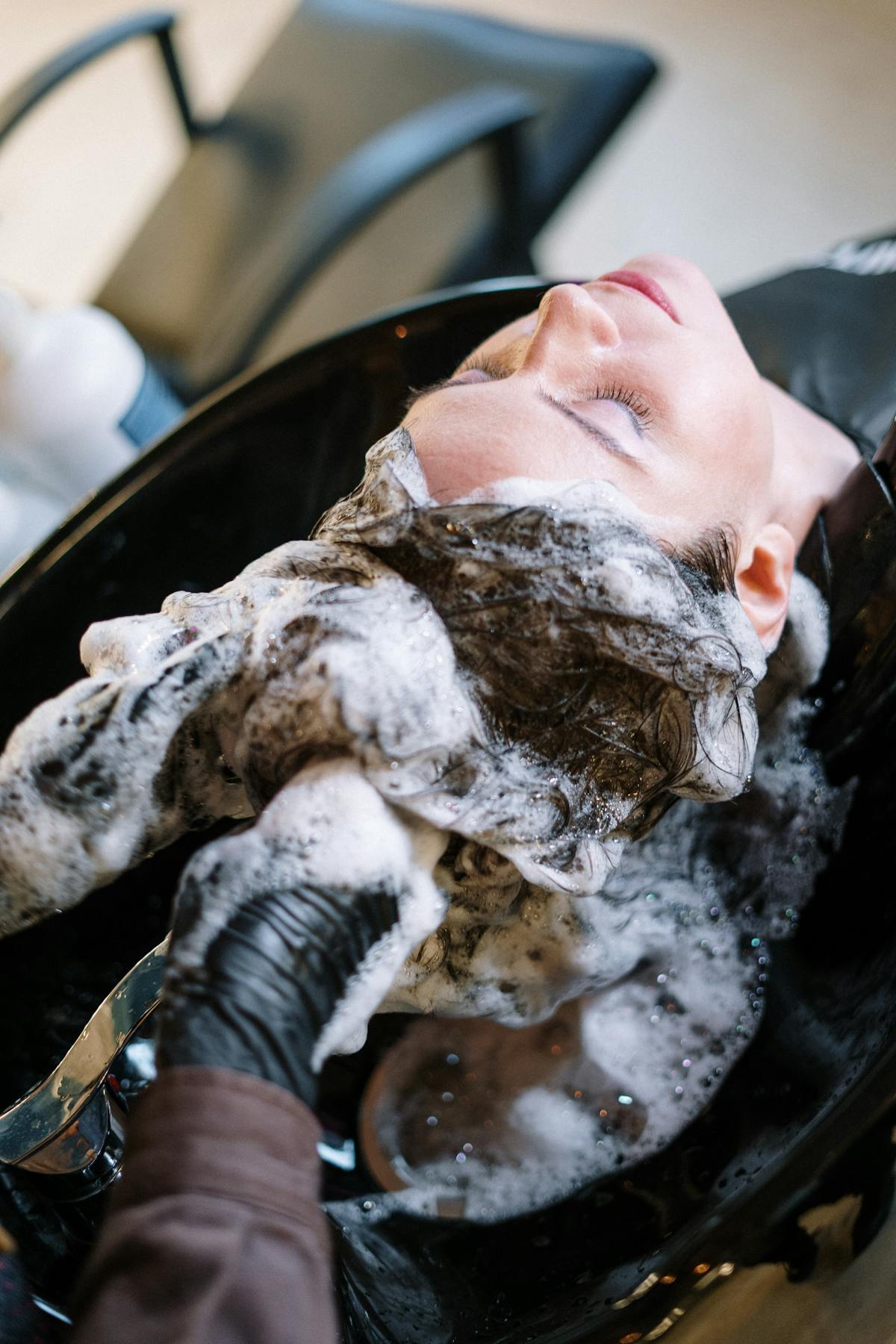
Consumers are paying more attention to scalp condition, cleansing habits, irritation, product ingredients, and the relationship between scalp health and everyday grooming. Anti-dandruff shampoo, once considered a basic pharmacy purchase, is becoming part of a wider personal-care conversation.
This change is often described as the skinification of haircare: the idea that the scalp deserves the same thoughtful attention people already give their faces.
There is a practical reason for this shift. Hair grows from follicles located in the skin. The scalp is not simply a surface supporting beautiful hairstyles; it is living tissue that produces oil, sheds skin cells, responds to microorganisms, and can develop inflammatory conditions.
However, the growing popularity of scalp products also creates confusion. Not every white flake is dandruff. Not every itchy scalp needs a medicated shampoo. And a more expensive product is not necessarily more effective.
Understanding the science behind the trend is therefore more valuable than buying every new bottle that appears on a beauty shelf.
Key Takeaways
- Scalp care is becoming an important part of the wider 2026 beauty and personal-care movement.
- Dandruff is a common scalp condition, not evidence that someone is dirty or neglecting personal hygiene.
- Seborrheic dermatitis is an inflammatory skin condition that can cause persistent flaking, redness and itching.
- Different anti-dandruff ingredients work in different ways. Ketoconazole, selenium sulfide, zinc pyrithione, coal tar and salicylic acid are among the established options.
- The best shampoo depends on the scalp condition, hair texture, product availability and individual tolerance.
- Correct application matters. Many medicated shampoos need time on the scalp before rinsing.
- Scrubbing aggressively, applying too many products and ignoring irritation can make scalp problems harder to manage.
- Persistent, painful, swollen or unusually severe symptoms deserve professional assessment.
- A healthy scalp routine does not need to involve expensive serums, complicated treatments or daily exfoliation.
1. Why Scalp Care Is Becoming a Major Beauty Trend in 2026
For many years, the haircare industry concentrated on what people could see immediately: shine, volume, length, smoothness and styling.
Shampoo advertisements frequently showed beautiful hair moving in slow motion. Conditioners promised softness, while oils and masks competed to repair damaged ends.
In 2026, however, the conversation is becoming more comprehensive.
People are increasingly interested in what happens before hair reaches the surface. They are asking questions about scalp oil, irritation, dryness, product buildup, dandruff and the ingredients inside their shampoo.
This is part of a broader movement in which consumers apply skincare principles to other areas of personal care.
The skinification of haircare
The term skinification describes the growing tendency to treat the scalp as skin rather than simply as the place where hair grows.
Think about a normal facial skincare routine. Someone might use a gentle cleanser, a moisturiser and sunscreen because each product serves a different purpose.
Scalp care follows a similar idea, although it should not automatically copy every facial skincare trend.
The scalp produces sebum, sheds dead skin cells and contains a community of microorganisms. It can become irritated, develop inflammatory conditions and react to products.
Consequently, consumers are becoming interested in specialised shampoos, scalp treatments and more carefully selected ingredients.
The 2026 beauty predictions report from Spate identifies increasing interest in hair and scalp concerns, including dandruff and dry scalp. Its analysis compares Google searches and social-platform activity between December 2024 and November 2025.
The report estimates an increase of approximately 981,600 in search-related interest for dandruff and 271,100 for dry scalp across its measured trend dataset. These are increases in the report's search metric, not verified monthly search volumes or counts of individual patients. Read the Spate 2026 Beauty and Wellness Predictions Report.
Social media has changed the conversation
Social media has helped make personal-care information more accessible.
Beauty creators discuss scalp exfoliation, cleansing techniques, shampoo ingredients and professional head-spa treatments. Dermatologists also use online platforms to explain common conditions and correct misinformation.
A person who previously thought dandruff was simply an embarrassing cosmetic problem can now discover that it may have several different causes.
This accessibility has advantages, but it also has disadvantages.
A popular video is not necessarily medical advice. A product that works for one person's scalp may be unsuitable for another. An attractive before-and-after photograph cannot establish that a treatment is clinically effective.
The most useful development is not the popularity of another beauty product. It is the growing interest in understanding the scalp before choosing a treatment.
Why anti-dandruff shampoo is attracting attention
Anti-dandruff shampoo sits at the intersection of beauty, hygiene and dermatology.
It addresses a visible concern while also targeting processes that can contribute to scalp irritation and flaking.
Unlike many expensive hair treatments, it is also relatively accessible. Products are available through pharmacies, supermarkets and specialist retailers, depending on the country and the ingredient.
That combination makes it particularly relevant to consumers who want practical results rather than another complicated beauty ritual.
2. What Exactly Is Dandruff?
Dandruff is a common condition involving the shedding of visible flakes from the scalp.
The flakes may be white, greyish or slightly yellow. They can become noticeable in dark hair, on clothing or around the shoulders.
Some people experience only occasional flaking. Others have repeated episodes accompanied by itching, irritation or an oily feeling.
Dandruff is not contagious. It cannot be passed from one person to another through sharing a hairbrush, sitting beside someone or using the same sofa.
It is also not proof of poor hygiene.
According to the NHS, dandruff is common and may be associated with naturally occurring yeast, certain skin conditions, stress and colder weather. NHS: Dandruff.
How does the scalp normally behave?
The skin on the scalp continually renews itself.
Old skin cells eventually separate from the surface and are replaced by newer cells. This process is normally so gradual that most people never notice it.
Dandruff becomes visible when the shedding process produces flakes that are larger or more noticeable than usual.
It is a little like a wall that naturally loses tiny particles over time. Normally, the process is invisible. When the surface becomes irritated or the shedding pattern changes, the particles become easier to see.
However, visible flakes do not always mean the same thing.
Some people have dry, fine flakes. Others develop larger, oily scales. The appearance can offer clues, but it cannot reliably establish the diagnosis on its own.
Is dandruff a disease?
The terminology can be confusing.
Mayo Clinic describes dandruff as a mild form of seborrheic dermatitis, a condition affecting areas of the skin that produce oil.
In everyday language, however, dandruff is often used as a broader description of scalp flaking.
The important point is that persistent or severe flaking may require a more specific diagnosis than simply choosing a stronger shampoo. Mayo Clinic: Dandruff, symptoms and causes.
3. Dandruff and Seborrheic Dermatitis: Understanding the Difference
One reason people struggle with scalp problems is that they sometimes use the words dandruff and seborrheic dermatitis interchangeably.
Although they are closely related, understanding the distinction can help people recognise when professional advice may be necessary.
Ordinary dandruff
Typical dandruff may involve:
- Small white or greyish flakes.
- Mild itching.
- Occasional irritation.
- Flaking that becomes noticeable on clothing.
- Symptoms that improve with appropriate shampooing.
The scalp may appear relatively normal apart from the flakes.
For some people, the condition is occasional. For others, it returns repeatedly.
Seborrheic dermatitis
Seborrheic dermatitis is a more inflammatory condition.
It can produce:
- Red or irritated skin.
- White or yellowish scales.
- Greasy-looking patches.
- Persistent itching.
- Flaking around the hairline.
- Symptoms affecting the eyebrows, sides of the nose, ears or other oil-producing areas.
It can occur in different age groups and may follow a recurring pattern.
Someone might experience improvement for several weeks before the symptoms return.
This does not necessarily mean the treatment failed. Some chronic inflammatory skin conditions require ongoing management rather than a single permanent cure.
Why the distinction matters
Imagine two people buying the same anti-dandruff shampoo.
The first person has occasional mild flaking. The second has thick scales, significant redness and irritation extending behind the ears.
They may both describe their problem as dandruff, but their needs could be different.
The first person might respond to an ordinary over-the-counter product. The second may need a dermatologist to assess whether seborrheic dermatitis or another skin condition is involved.
Using stronger shampoo without understanding the underlying problem is not always the answer.
4. What Causes Dandruff?
There is no single explanation that applies to every person.
Dandruff can involve several interacting factors, including the skin's oil production, microorganisms, individual sensitivity and environmental conditions.
Malassezia: the naturally occurring yeast
One of the most discussed factors is a group of naturally occurring yeasts known as Malassezia.
These microorganisms live on the skin of many healthy adults.
They are not automatically harmful, and their presence does not mean someone has an infection.
However, in susceptible individuals, the interaction between these yeasts, skin oils and the body's inflammatory response may contribute to dandruff and seborrheic dermatitis.
This helps explain why some anti-dandruff shampoos contain antifungal ingredients.
Excess oil production
The scalp naturally produces sebum through sebaceous glands.
Sebum helps lubricate the skin and hair. However, oil-rich areas can also provide an environment in which Malassezia thrives.
People with oily scalps may notice that flakes become more obvious between washes.
This does not mean that removing every trace of oil is desirable. Excessive cleansing can create dryness and irritation.
The objective is to manage the scalp comfortably, not to eliminate its natural protective oils.
Individual skin sensitivity
Two people can have similar oil production but very different scalp reactions.
One may experience no visible symptoms, while another develops itching and flaking.
Individual susceptibility appears to be an important part of the picture.
This is why simply copying another person's shampoo routine is not always effective.
Weather and seasonal changes
Cold weather and dry environmental conditions can make dandruff symptoms worse for some individuals.
During colder months, people may also change their washing habits, spend more time in heated indoor environments or use different styling products.
These factors can influence scalp comfort.
However, seasonal changes are not the only explanation for dandruff, and a winter flare does not automatically mean the scalp is simply dehydrated.
Stress and everyday life
Stress is another factor frequently associated with worsening symptoms.
A demanding work schedule, poor sleep and major life changes may coincide with flare-ups.
The relationship is complex. Stress should not be treated as the sole cause of dandruff, and reducing stress is not a replacement for appropriate treatment.
Nevertheless, maintaining healthy everyday habits can support general wellbeing.
Hair products and irritation
Hair dyes, fragrances, styling sprays, gels and other products can sometimes trigger irritation or allergic contact dermatitis.
In such cases, the problem may not be ordinary dandruff at all.
If itching, redness or burning begins after introducing a new product, consider stopping the suspected product and seeking professional advice if symptoms persist.
Mayo Clinic lists oily or irritated skin, dry skin, Malassezia, contact dermatitis, eczema and psoriasis among possible contributors or conditions associated with dandruff-like symptoms. Mayo Clinic: Causes and risk factors.
5. The Ingredients Behind Anti-Dandruff Shampoo
This is where choosing a shampoo becomes more interesting.
The front of a bottle might promise freshness, softness, deep cleansing or a flake-free finish. Yet the active ingredient is often much more important than the marketing language.
Different ingredients work through different mechanisms.
Some target microorganisms associated with dandruff. Others help loosen accumulated scales or reduce the visible effects of flaking.
Here are five established ingredients worth understanding.
1. Zinc pyrithione
Zinc pyrithione is an established anti-dandruff ingredient used in certain shampoo formulations.
It is intended to help control dandruff-associated flaking and itching.
Its precise availability depends on the country and the applicable product regulations.
For example, US DailyMed listings include zinc pyrithione shampoo products labelled for dandruff and seborrheic dermatitis. A 2026 listing identifies a 2% zinc pyrithione formulation. DailyMed: Zinc Pyrithione Shampoo.
Consumers should not assume that the same ingredient is available in every country or that every product has the same concentration.
2. Selenium sulfide
Selenium sulfide is another ingredient used in anti-dandruff shampoos.
It helps reduce dandruff-associated scaling and acts against microorganisms involved in some scalp conditions.
It is often considered when ordinary cosmetic shampoos have not provided sufficient relief.
However, correct application matters.
Some formulations require particular contact times and precautions. Users should follow the product instructions carefully rather than leaving the shampoo on for longer in the hope of achieving better results.
3. Ketoconazole
Ketoconazole is an antifungal ingredient used in certain shampoos.
It targets fungi, including Malassezia, associated with dandruff and seborrheic dermatitis.
It is a widely recognised treatment option and is available in different strengths and regulatory categories depending on the country.
Some ketoconazole shampoos are sold over the counter, while others may require a prescription.
It is important to distinguish a product containing ketoconazole from an ordinary cosmetic shampoo that simply claims to support scalp balance.
The active ingredient, concentration and instructions determine how the product should be used.
4. Coal tar
Coal tar has a long history of use in treating certain scaly skin conditions.
It can help slow excessive skin-cell production and reduce scaling.
Some anti-dandruff formulations include coal tar, particularly products aimed at persistent scaling.
However, it has disadvantages.
It may have a strong smell, can stain fabrics and may increase sensitivity to sunlight.
The American Academy of Dermatology advises people using coal-tar dandruff shampoo to protect the scalp from ultraviolet exposure. American Academy of Dermatology: How to treat dandruff.
5. Salicylic acid
Salicylic acid is an ingredient known for its exfoliating properties.
In scalp products, it helps loosen and remove accumulated scales.
It can be useful when flakes are thick or attached to the scalp.
However, there is an important distinction: removing flakes is not necessarily the same as addressing the underlying cause of dandruff.
Salicylic acid may help clear visible buildup, but it does not replace an antifungal ingredient when an antifungal treatment is needed.
It may also cause dryness or irritation in some users.
Ingredient comparison
| Ingredient | Main purpose | Important consideration |
|---|---|---|
| Zinc pyrithione | Helps control dandruff and associated flaking | Availability varies by country |
| Selenium sulfide | Reduces dandruff-associated scaling | Follow label precautions |
| Ketoconazole | Antifungal treatment | Check strength and local availability |
| Coal tar | Helps reduce scaling | Can increase sun sensitivity |
| Salicylic acid | Loosens accumulated scales | May cause dryness or irritation |
The American Academy of Dermatology lists these ingredients among options found in dandruff shampoos, alongside sulfur. AAD: Dandruff shampoo ingredients.
Are natural ingredients better?
Natural haircare products are increasingly popular.
Tea tree oil, rosemary, aloe vera and other botanical ingredients appear in many scalp-care formulations.
Some may provide a pleasant cleansing experience or help improve the cosmetic feel of a product.
However, natural does not automatically mean effective, gentle or suitable for everyone.
Essential oils can cause irritation or allergic reactions, especially when concentrated or incorrectly formulated.
A shampoo marketed as natural should not automatically be considered a replacement for an established active ingredient when someone has persistent dandruff.
The most useful question is not whether an ingredient sounds natural. It is whether the product is appropriate for the condition and whether there is credible evidence supporting its intended use.
6. How to Choose the Right Anti-Dandruff Shampoo
Standing in front of a pharmacy shelf can be surprisingly confusing.
There may be dozens of products with different colours, fragrances, promises and price tags.
Some advertise extra hydration. Others highlight scalp detoxification or botanical extracts.
A sensible purchasing decision begins with understanding the problem.
Start by identifying your symptoms
Ask yourself a few basic questions.
Are the flakes small and dry? Does the scalp become oily quickly? Is there persistent itching? Are there red patches? Does the skin feel painful or unusually sensitive?
These observations do not provide a diagnosis, but they can help determine whether an ordinary anti-dandruff product is a reasonable starting point.
Severe redness, thick plaques, pain or unusual hair loss should not be treated as routine dandruff.
Consider the active ingredient
Instead of selecting a shampoo exclusively because of its brand, examine the ingredient list.
A product containing ketoconazole is different from one containing salicylic acid.
One targets fungal activity, while the other primarily helps loosen scales.
The choice should reflect the symptoms, the product's approved instructions and professional advice where necessary.
Think about your hair texture
The scalp and hair fibres have different needs.
Someone with straight, fine hair may tolerate frequent washing more easily than someone with tightly curled or coily hair.
Medicated shampoos can sometimes leave the hair feeling dry, even when they are helping the scalp.
People with textured hair may therefore benefit from applying the treatment mainly to the scalp and using an appropriate conditioner on the lengths.
The American Academy of Dermatology specifically advises adjusting shampoo frequency and application according to hair texture. AAD: Shampooing according to hair type.
Check the product instructions
A shampoo is not necessarily better because it has a higher concentration.
The formulation, application time, frequency and individual tolerance all matter.
Some products are designed for occasional use. Others have different recommended schedules.
If a product causes significant burning, swelling or irritation, stop using it and seek advice.
Do not confuse cosmetic claims with medical evidence
Words such as detox, purifying, microbiome-friendly and deep balancing can sound impressive.
But they do not automatically demonstrate that a product treats seborrheic dermatitis.
A clear ingredient list and appropriate product instructions are more useful than vague promises.
7. How to Use Anti-Dandruff Shampoo Correctly
Buying the right shampoo is only part of the process.
Application matters because medicated products are designed to work under particular conditions.
Using them incorrectly can reduce their usefulness or increase irritation.
Step one: Wet the scalp thoroughly
Begin by soaking the hair and scalp with lukewarm water.
Very hot water is unnecessary and may aggravate discomfort in an already irritated scalp.
Make sure the roots are wet before applying shampoo.
Step two: Apply the product to the scalp
Anti-dandruff shampoo should be directed towards the area it is intended to treat.
Particularly with thick or long hair, it can be helpful to divide the hair into sections.
Apply the shampoo carefully so it reaches the scalp rather than remaining mainly on the hair.
Step three: Massage gently
Use your fingertips to distribute the shampoo.
Avoid aggressive scratching or using your fingernails.
The objective is to spread the product, not physically scrape away every visible flake.
Excessive friction can irritate the skin and make an uncomfortable scalp feel worse.
Step four: Respect the contact time
This is one of the most commonly overlooked parts of treatment.
Some anti-dandruff shampoos need to remain on the scalp for several minutes before rinsing.
The American Academy of Dermatology explains that certain products may require up to five to ten minutes of contact time.
However, this is not a universal instruction. Different formulations have different directions.
Always follow the specific product label. AAD: Correct shampoo application.
Step five: Rinse thoroughly
After the recommended contact time, rinse the scalp and hair carefully.
Remaining product can contribute to discomfort or irritation in some people.
Make sure the shampoo has been removed before applying conditioner or styling products.
Step six: Condition the hair where necessary
Anti-dandruff treatment is aimed at the scalp, but the hair itself may still need conditioning.
Apply conditioner mainly to the lengths and ends if your hair becomes dry.
This is especially useful for people with textured or chemically treated hair.
Step seven: Follow the recommended schedule
Do not assume that daily use is necessary.
The appropriate frequency depends on the product, symptoms, hair type and tolerance.
Some treatments are used several times weekly during an initial period. Others have different schedules.
If the product label recommends a particular treatment period, follow it.
If symptoms continue despite correct use, seek professional advice rather than repeatedly increasing the frequency.
8. Common Mistakes That Can Make Scalp Problems Worse
The growing popularity of scalp care has introduced many new products and techniques.
Unfortunately, it has also created new opportunities for people to overcomplicate their routines.
A healthy scalp does not require aggressive treatment.
Mistake 1: Scratching away every flake
When flakes become visible, the immediate temptation is to remove them physically.
People may scratch with their fingernails, use hard brushes or rub the scalp aggressively.
This can injure the skin and increase irritation.
A treatment designed to loosen or control scales is generally more appropriate than attempting to scrape them away.
Mistake 2: Washing with very hot water
Hot showers may feel relaxing, but excessive heat can contribute to dryness and discomfort.
Lukewarm water is a sensible everyday choice.
Mistake 3: Using too many active ingredients
Some consumers combine anti-dandruff shampoo, exfoliating scalp serums, strong acids, essential oils and clarifying products.
The result can be an unnecessarily complicated routine.
Combining several active products does not guarantee better results.
It may instead make it difficult to identify which product is helping and which one is causing irritation.
Mistake 4: Leaving medicated shampoo on longer than instructed
More contact time does not automatically mean better treatment.
If a label specifies five minutes, leaving the product on for half an hour is not a sensible shortcut.
Follow the manufacturer's directions.
Mistake 5: Treating every itchy scalp as dandruff
An itchy scalp may be caused by eczema, psoriasis, contact dermatitis, fungal infection or other conditions.
Repeatedly switching anti-dandruff shampoos without understanding the problem can delay appropriate treatment.
Mistake 6: Assuming expensive products work better
A premium bottle may contain attractive packaging, fragrances and additional cosmetic ingredients.
That does not mean it will outperform a reasonably priced product with an appropriate active ingredient.
Price is not a substitute for evidence.
Mistake 7: Stopping treatment immediately after improvement
Some people stop using a product as soon as the flakes disappear.
For recurring dandruff or seborrheic dermatitis, symptoms may return.
The appropriate maintenance approach depends on the condition and the treatment.
A healthcare professional can help determine whether continued intermittent use is appropriate.
9. Building a Simple Scalp-Care Routine
One of the biggest misconceptions about modern beauty routines is that more steps automatically produce better results.
The scalp does not need a ten-product programme.
For most people, a practical routine should focus on three things: appropriate cleansing, careful treatment when necessary and avoiding unnecessary irritation.
The basic weekly routine
A simple routine might look like this:
| Routine step | Purpose |
|---|---|
| Regular gentle washing | Removes excess oil, sweat and product residue |
| Medicated shampoo when appropriate | Helps manage dandruff |
| Conditioner | Supports the appearance and feel of the hair |
| Gentle drying | Avoids unnecessary friction |
| Scalp observation | Helps identify persistent irritation or changes |
The frequency should be adapted to individual needs.
For example, someone with an oily scalp may need to wash more frequently than someone with thick, tightly curled hair.
What about scalp oils?
Scalp oils are popular in beauty routines because they can make hair feel softer and help reduce friction.
However, applying large amounts of oil directly to a scalp affected by seborrheic dermatitis may not be appropriate for everyone.
Some formulations can leave the scalp feeling greasy or make it harder to remove accumulated product.
This does not mean every oil is harmful. It means that an oil should be chosen according to its purpose and the condition being managed.
If the main problem is persistent dandruff, an established anti-dandruff treatment is generally a more logical starting point than applying several layers of cosmetic oils.
Are scalp scrubs necessary?
Scalp scrubs are marketed as products that remove buildup and dead skin cells.
They can appeal to people who enjoy the sensation of deep cleansing.
However, mechanical exfoliation is not essential for treating dandruff.
When the scalp is already inflamed, scratching and abrasive scrubbing may worsen irritation.
A chemical ingredient such as salicylic acid may be included in a formulated product to help loosen scales, but it should still be used according to its instructions.
The objective should be a comfortable scalp, not an aggressively polished one.
Do head-spa treatments help?
Professional head-spa treatments have become part of the wider scalp-care conversation.
These treatments may involve cleansing, massage, conditioning and relaxation.
They can provide an enjoyable grooming experience, but they should not be confused with medical treatment.
A relaxing scalp massage cannot diagnose seborrheic dermatitis or replace a suitable antifungal treatment.
Anyone with an irritated, painful or inflamed scalp should be careful about treatments involving vigorous massage, strong fragrances or unfamiliar products.
10. Scalp Care for Different Hair Types
A routine that works beautifully for one person may be uncomfortable for another.
Hair texture, oil production, styling habits and washing frequency all influence the experience of scalp care.
Straight and fine hair
People with straight or fine hair may notice oil and flakes more quickly because the scalp's natural oils can spread along the hair more easily.
Frequent gentle washing may be suitable for some individuals.
However, frequent use of a medicated shampoo should still follow its product instructions.
Curly and coily hair
Curly and coily hair often requires more attention to moisture retention.
The hair lengths can become dry more easily, and aggressive washing may make styling difficult.
When using an anti-dandruff shampoo, concentrate the product on the scalp rather than repeatedly rubbing the lengths.
Follow with a conditioner suitable for the hair texture.
The American Academy of Dermatology notes that people with coarse, naturally curly or coily hair may need less frequent dandruff-shampoo use than people with fine or naturally straight hair. AAD hair and scalp guidance.
Chemically treated and coloured hair
Hair colouring, relaxing and other chemical treatments can affect the condition of the hair fibre.
Some medicated shampoos may leave treated hair feeling drier.
People with coloured hair should check product compatibility and consider asking their hair professional or pharmacist for advice.
It is important not to confuse hair damage with a scalp condition. The two problems can occur together but require different approaches.
People who wear protective hairstyles
Braids, extensions and other protective hairstyles can make regular scalp cleansing more challenging.
Sweat, styling products and accumulated residue may become harder to remove.
A gentle cleansing routine that fits the hairstyle can be useful.
However, tight hairstyles, persistent pulling and excessive scratching should be avoided, particularly if the scalp is already irritated.
If flaking occurs underneath a protective style, it is not always possible to identify the cause without examining the skin.
11. When Should You See a Dermatologist?
Most mild dandruff can be managed with appropriate shampooing.
However, there is a point at which experimenting with additional products becomes less useful than obtaining a professional assessment.
The NHS recommends seeking medical advice when dandruff does not improve after at least four weeks of anti-dandruff shampoo use, when itching is severe, when the scalp becomes red or swollen, or when flaky patches also appear on other parts of the body. NHS: When to seek medical help.
Warning signs worth taking seriously
Consider consulting a dermatologist or healthcare professional if you experience:
- Persistent flaking despite using an appropriate treatment correctly.
- Significant redness or swelling.
- Pain, bleeding or open areas of skin.
- Thick scales that repeatedly return.
- Severe itching that interferes with sleep.
- Flaking around the eyebrows, ears or face.
- Patchy hair loss or broken hairs.
- A rash that spreads beyond the scalp.
- Symptoms that become progressively worse.
Sudden patchy hair loss, particularly when accompanied by scaling or inflammation, deserves prompt medical assessment.
What might a dermatologist examine?
A dermatologist may examine the scalp, hairline, ears and other affected areas.
They will consider the appearance of the skin, the distribution of symptoms and the person's medical and product-use history.
Depending on the findings, they may investigate conditions such as:
Seborrheic dermatitis: An inflammatory condition that can produce greasy scales and redness.
Scalp psoriasis: A condition that can produce thicker, well-defined plaques and scaling.
Contact dermatitis: An inflammatory reaction associated with exposure to an irritating or allergenic product.
Tinea capitis: A fungal infection of the scalp that may cause scaling, broken hairs and patchy hair loss.
Eczema: An inflammatory skin condition that can cause dryness, redness and itching.
These conditions can look similar to ordinary dandruff in some situations.
A dermatologist may recommend a different shampoo, a prescription treatment or further testing depending on the diagnosis.
The important lesson is that persistent symptoms deserve an explanation, not an endless collection of new products.
12. How Much Should You Spend on Scalp Care?
The beauty industry has turned scalp care into a substantial product category.
There are basic anti-dandruff shampoos, pharmacy treatments, premium salon formulations, scalp exfoliants, serums and professional treatments.
The difference in price can be considerable.
But does a more expensive bottle necessarily produce better results?
Not necessarily.
Budget shampoos
Affordable anti-dandruff products may contain established active ingredients.
For someone with uncomplicated dandruff, a reasonably priced product with an appropriate formulation may be sufficient.
The most important consideration is whether the ingredient matches the problem and whether the product is suitable for regular use.
Pharmacy treatments
Pharmacy products may provide more targeted options.
Depending on local regulations, they may include ketoconazole, selenium sulfide or other recognised active ingredients.
A pharmacist can help explain the differences and recommend a suitable option.
Premium scalp products
More expensive formulations may offer additional cosmetic benefits.
These might include:
- More sophisticated fragrances.
- Conditioning ingredients.
- Different textures.
- Packaging designed for easier application.
- Additional ingredients intended to improve hair feel.
- A more luxurious washing experience.
These features can be valuable, especially for people who enjoy premium grooming products.
However, they do not automatically make the product a stronger treatment for dandruff.
A practical value comparison
Consider two shampoos.
The first costs more because it includes premium packaging and a luxury fragrance.
The second costs less but contains an appropriate active ingredient and provides clear application instructions.
If both are suitable for the same scalp concern, the second may represent better value.
This is particularly important for people who need repeated treatment.
The cost of maintaining a routine over several months can matter more than the price of one bottle.
What about professional scalp treatments?
Professional head-spa treatments may be considerably more expensive than ordinary shampoo.
They can be enjoyable, particularly when the goal is relaxation and cosmetic grooming.
However, they should be viewed as optional personal-care experiences rather than necessary treatments for dandruff.
People with an active inflammatory scalp condition should consult a healthcare professional before undergoing procedures that involve vigorous exfoliation or unfamiliar products.
13. What Is Still Uncertain About Scalp Care in 2026?
The scalp-care movement contains genuine scientific progress, but it also contains marketing language that sometimes moves faster than the evidence.
Separating established knowledge from emerging ideas is essential.
The scalp microbiome
Researchers are interested in the microorganisms that live on the scalp.
The term microbiome refers to the community of microorganisms living in a particular environment.
It is an important area of research because the relationship between microorganisms, skin oils and inflammation may help explain why certain individuals develop recurring scalp problems.
However, the scalp microbiome is complex.
There is still much to understand about how individual differences influence symptoms and whether changing the microbiome through particular cosmetic products produces meaningful long-term benefits.
A shampoo described as microbiome-balancing should not automatically be considered a proven treatment.
Probiotic and prebiotic scalp products
Probiotics and prebiotics are increasingly discussed in skincare and haircare.
The basic idea is attractive: rather than simply removing microorganisms, products might help support a healthier microbial environment.
But not every product containing a probiotic-related ingredient has demonstrated clinical benefits for dandruff.
Different ingredients, formulations and application methods can produce different results.
More high-quality research is needed before broad claims about these products can be accepted.
Can scalp serums improve hair growth?
Some products suggest that better scalp health automatically produces thicker hair.
This is an oversimplification.
Hair growth depends on multiple factors, including genetics, hormones, nutritional status, medical conditions and the health of hair follicles.
Managing dandruff can improve comfort and reduce inflammation associated with certain scalp conditions.
But an anti-dandruff shampoo should not be assumed to reverse hereditary hair loss or guarantee increased hair density.
People experiencing significant hair thinning should obtain an appropriate assessment rather than relying on cosmetic scalp treatments.
Do expensive microbiome products outperform ordinary shampoos?
At present, the answer cannot be assumed.
A premium product may have an attractive formulation and a pleasant user experience.
But evidence for a particular treatment depends on the ingredient, concentration, study design and measured outcomes.
There is no universal proof that a shampoo marketed as advanced microbiome care is more effective than a conventional product containing an established anti-dandruff ingredient.
Is daily scalp exfoliation beneficial?
Exfoliation can help remove accumulated scales in selected situations.
However, daily exfoliation is not a universal requirement for scalp health.
The effects depend on the method, product strength and individual skin condition.
A person with a sensitive or inflamed scalp may experience more irritation rather than improvement.
A simple, consistent routine remains more sensible than automatically adding another exfoliating step.
14. The Future of Anti-Dandruff Shampoo
The next stage of scalp care is likely to involve a combination of established dermatological ingredients and more sophisticated cosmetic formulations.
Consumers increasingly want products that address a particular concern while remaining comfortable to use.
This creates opportunities for manufacturers to improve textures, fragrances, packaging and compatibility with different hair types.
More personalised formulations
A person with an oily scalp and straight hair may need a different cleansing routine from someone with tightly coiled hair and a sensitive scalp.
Personalisation could make product selection more useful.
However, genuine personalisation should be based on relevant information rather than simply assigning someone a shampoo through an online quiz.
Better attention to textured hair
For years, some haircare products focused primarily on straight or loosely textured hair.
The growing interest in scalp health creates an opportunity for formulations that address scalp conditions without unnecessarily drying curly and coily hair.
This is an important development because treatment should not force people to choose between managing scalp symptoms and caring for their hair.
More transparent ingredients
Consumers are increasingly interested in what is inside the products they purchase.
Clearer ingredient explanations and better communication about product limitations can help people make informed choices.
This should include honest information about what a shampoo can and cannot do.
Evidence before marketing
Perhaps the most important future development will be a stronger emphasis on clinical evidence.
The beauty industry has a long history of presenting ordinary cosmetic improvements as revolutionary scientific discoveries.
Scalp care should not repeat that mistake.
The strongest products will be those that combine appropriate ingredients, sensible instructions, safety information and evidence supporting their intended use.
15. The Bottom Line: A Healthy Scalp Starts With Understanding
The scalp-care revolution is not simply another beauty trend about buying more products.
At its best, it represents a useful change in how people think about personal care.
Hair is not separate from the skin that supports it. Scalp comfort, oil production, irritation and flaking deserve attention, just like other everyday skin concerns.
Anti-dandruff shampoos remain among the most practical tools for managing common scalp flaking.
Ingredients such as ketoconazole, selenium sulfide, zinc pyrithione, coal tar and salicylic acid offer different approaches, and choosing between them requires an understanding of their intended purposes.
Yet no shampoo is a universal solution.
Some people need only regular gentle cleansing. Others benefit from a medicated product. Those with persistent inflammation, unusual scaling or hair loss may need a professional diagnosis.
The most effective approach is often surprisingly simple: identify the problem, choose an appropriate product, follow the instructions, avoid unnecessary irritation and seek medical advice when symptoms do not improve.
In 2026, the smartest scalp-care routine may not be the most expensive or complicated one.
It may simply be the one that understands what the scalp actually needs.
Frequently Asked Questions (FAQ)
1. What is the best shampoo for dandruff in 2026?
There is no single best shampoo for everyone. Ketoconazole, selenium sulfide and zinc pyrithione are established options, while salicylic acid can help loosen accumulated scales. The best choice depends on the symptoms, hair type, product availability and individual tolerance.
2. How often should I use anti-dandruff shampoo?
It depends on the active ingredient and the manufacturer's instructions. Some products are designed for use several times per week, while others have different schedules. Avoid increasing frequency without checking the label or consulting a pharmacist.
3. Can dandruff cause hair loss?
Ordinary dandruff does not usually cause permanent hair loss. However, significant inflammation and repeated scratching can contribute to hair breakage or temporary shedding. Patchy hair loss should be assessed by a healthcare professional.
4. Is dandruff caused by poor hygiene?
No. Dandruff is not proof of poor hygiene. It can involve skin sensitivity, oil production, naturally occurring microorganisms and inflammatory processes. Regular cleansing can help manage symptoms, but washing excessively is not necessary.
5. Is ketoconazole shampoo safe for regular use?
Ketoconazole shampoo is an established treatment for certain fungal-related scalp conditions. Its appropriate frequency depends on the formulation and treatment instructions. Long-term or repeated use should follow the product guidance or a healthcare professional's recommendation.
6. What is the difference between dry scalp and dandruff?
Dry scalp is often associated with dryness and small flakes, while dandruff can involve larger flakes and an oily or irritated scalp. However, their symptoms can overlap. Persistent itching, redness or scaling may require professional assessment.
7. Can I use conditioner after anti-dandruff shampoo?
Yes. Conditioner can help maintain the softness and manageability of the hair. Apply it mainly to the lengths and ends when appropriate, particularly if medicated shampoo leaves the hair feeling dry.
8. Does dandruff disappear permanently?
Not necessarily. Dandruff and seborrheic dermatitis can follow recurring patterns. Appropriate treatment can control symptoms, but some people experience flare-ups and need occasional maintenance treatment.
9. Can stress make dandruff worse?
Stress is associated with worsening symptoms in some people. It may contribute to flare-ups, although it is not the only cause. Managing stress and maintaining healthy routines can support general wellbeing but do not replace appropriate scalp treatment.
10. Can natural oils cure dandruff?
There is insufficient evidence to claim that ordinary cosmetic oils reliably cure dandruff. Some oils may improve hair feel, but others may be unsuitable for an irritated or oily scalp. Established anti-dandruff treatments are generally a more reliable starting point.
11. Should I change my anti-dandruff shampoo if it stops working?
If symptoms return or fail to improve, first check that you are using the product correctly. Different active ingredients may be appropriate in some situations, but persistent symptoms should be discussed with a pharmacist or dermatologist rather than prompting endless product switching.
12. When should I see a dermatologist?
Seek professional advice if symptoms persist after approximately four weeks of appropriate treatment, or sooner if there is severe itching, redness, swelling, pain, bleeding, spreading irritation or patchy hair loss.
Sources and Further Reading
The following sources provide medical guidance, dermatological information and industry context for this article.
- American Academy of Dermatology (AAD) — How to Treat Dandruff. Practical advice on shampoo ingredients, application, hair texture and when to seek professional treatment.
- National Health Service (NHS) — Dandruff. Symptoms, causes, treatment options and guidance on when to consult a healthcare professional.
- Mayo Clinic — Dandruff: Symptoms and Causes. Medical overview of dandruff, Malassezia, risk factors and associated skin conditions.
- National Library of Medicine – DailyMed — Zinc Pyrithione Shampoo. Official product labelling and information about an anti-dandruff formulation.
- Spate — 2026 Beauty and Wellness Predictions Report. Industry trend analysis covering consumer interest in hair benefits, dandruff and scalp concerns.
- Croda Beauty — From Root to Fibre: Why Scalp Trends Are Rewriting the Rules of Hair Care. Industry perspective on scalp-focused beauty routines and the evolution of haircare.
- Sephora UK — Hair Trend Predictions 2026. Beauty-industry perspective on scalp skincare and emerging haircare routines.
Editorial and medical disclaimer: This article is intended for general educational and informational purposes only. It is not a substitute for professional medical advice, diagnosis or treatment. Product availability and regulations vary between countries. Consult a qualified healthcare professional or dermatologist about persistent or severe scalp symptoms.
The conversation
Post a Comment