Science & Technology | Biomedical Innovation | THE JORNAL | November 2026
Imagine swallowing a capsule that does something extraordinary. Instead of simply releasing medicine, it begins communicating with a receiver outside your body. It might confirm that a prescribed treatment has been taken, monitor conditions inside the digestive tract, or deliver a carefully controlled electrical signal to tissue in the stomach.
Then, after completing its mission, its power source begins to disappear.
There is no charging cable, no battery replacement, and potentially no need to retrieve the power source. The materials gradually break down into substances the body can process.
This may sound like a scene from a science-fiction film, but it is the direction of a real biomedical breakthrough reported in September 2026.
Researchers at the Massachusetts Institute of Technology (MIT) and their collaborators have developed a tiny, paper-based battery designed to power temporary electronic devices inside the gastrointestinal tract. Made with magnesium and molybdenum trioxide, the battery can generate enough electricity for wireless communication and electrical stimulation before gradually degrading.
In laboratory experiments and preclinical studies involving pigs, the technology demonstrated something that earlier biodegradable battery concepts had struggled to establish: a power source capable of performing useful electronic functions inside a living digestive system.
The researchers reported a peak open-circuit voltage of 1.84 volts. Their batteries supported experimental wireless tracking devices and capsules capable of delivering electrical stimulation to the stomach. The findings appeared in Nature Chemical Engineering on September 21, 2026.
But the most interesting part of this discovery may not be the battery itself. It is what the battery could make possible.
For years, engineers have been working toward medical devices that can enter the body, perform a temporary task, and safely disappear when their work is finished. The challenge has been keeping those devices powered without introducing unnecessary risks. A battery that gradually dissolves could help solve one of the problems holding that vision back.
The breakthrough also raises important questions. How can a battery generate electricity inside a stomach filled with acidic fluid? What happens to the materials after they degrade? Could future patients swallow an electronic capsule instead of undergoing certain invasive procedures? And how far is this technology from everyday medical use?
To understand why scientists are excited, we need to explore what they discovered, how the chemistry works, and what must happen before disappearing batteries can become part of modern healthcare.
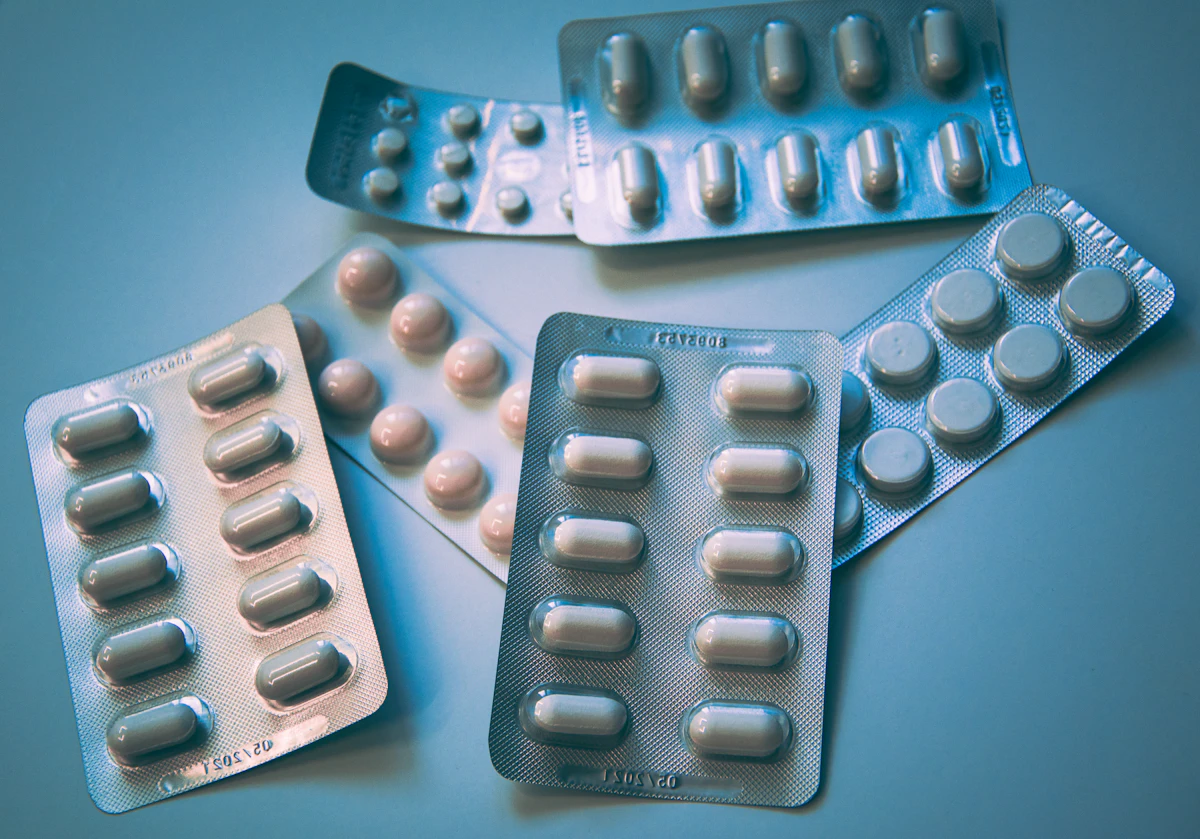
Photo 1: A swallowable capsule could one day carry electronics powered by a battery designed to disappear. Photo: Unsplash.
1. What Scientists Discovered: A Battery Designed to Vanish
The problem hidden inside a smart medical capsule
Modern medicine increasingly relies on electronics to collect information from the human body. A heart monitor can record electrical activity. A wearable sensor can track movement or temperature. Implantable devices can deliver stimulation to nerves and muscles. Some devices go a step further by entering the digestive system.
Known as ingestible electronics, these miniature systems can be swallowed in capsule form. Depending on their design, they may carry cameras, sensors, communication circuits, or therapeutic components. The gastrointestinal tract offers an unusual opportunity for this technology. A capsule can travel through the body along a pathway that already exists. Under appropriate clinical conditions, this may allow doctors to obtain information or deliver certain treatments without placing a device through an incision.
Yet the inside of the digestive tract is a challenging environment for electronics. The stomach contains acidic fluid. Digestive organs move continuously. Temperature, moisture, and chemical conditions change as a device travels. An electronic capsule must be small enough to swallow, strong enough to perform its task, and safe enough to remain inside the body for its intended period. If it requires electricity, the battery introduces another difficulty.
Conventional batteries are excellent at storing energy, but they are generally designed to remain sealed and intact. Their components are not necessarily suitable for direct contact with living tissue or digestive fluids. If a conventional battery is damaged, its contents may cause chemical injury. Button batteries are especially dangerous when swallowed accidentally. Medical devices can reduce risks through careful engineering and protective packaging, but minimizing the hazards associated with their power sources remains an important research goal.
The MIT researchers approached this problem from a different direction. Rather than building a conventional battery and attempting to protect it indefinitely, they asked whether the battery itself could be made from materials that gradually break down.
A different kind of battery chemistry
The research team, led by senior author Giovanni Traverso and first author Mehmet Girayhan Say, developed a magnesium-molybdenum trioxide battery with a paper-based structure. Magnesium is a lightweight metal with useful electrochemical properties. Molybdenum trioxide is a compound that can participate in the reactions needed to generate electrical energy. The researchers combined these materials with a biodegradable electrolyte and protective layers to create a functional battery.
They developed two configurations. One was a small disc measuring approximately 7.5 millimeters in diameter. The other was a longer rectangular version measuring approximately 24 millimeters. These formats were designed for different electronic applications. The smaller battery could be incorporated into capsule-scale communication equipment, while the larger format could support a more demanding electrical stimulation system.
Crucially, the researchers did not stop after proving that the battery worked on a laboratory bench. They tested the technology in conditions intended to resemble the gastrointestinal environment and then evaluated it in pigs. The batteries delivered useful electrical output for several days, including approximately three days of operation in the reported experiments, before their performance declined. The study demonstrated that biodegradable battery chemistry could support meaningful electronic functions in a living gastrointestinal system, rather than only powering a simple demonstration under ideal laboratory conditions.
Why this discovery stands out
Scientists have previously explored biodegradable electronics and batteries made from relatively biocompatible substances. The broader idea is not entirely new. What makes the September 2026 research noteworthy is the combination of several achievements. The battery produced a voltage suitable for miniature electronic systems. It could power an active wireless communication device. It could support electrical stimulation of stomach tissue. And it was designed to degrade after completing its useful service.
Each achievement matters. A material that dissolves safely but produces very little power might have limited practical value. A powerful battery that cannot safely degrade would fail to solve the original problem. A laboratory device that works in a glass container but fails inside a living organism would require substantial redesign. The new research brings these competing requirements closer together.
However, there is an important distinction between scientific feasibility and clinical readiness. The battery has not yet been established as a routinely available treatment for humans. The experiments were preclinical, and the study does not prove that every future capsule containing the technology will be completely absorbed. Some associated electronic components remain nondegradable. The innovation is therefore best understood as a successful demonstration of a promising power source, not the arrival of a finished medical product. That distinction does not diminish the discovery. It explains why the next stage of research is so important.
2. How a Disappearing Battery Works
The same principle as an ordinary battery
Despite its unusual materials, the disappearing battery follows the same fundamental principle as many familiar batteries. It converts stored chemical energy into electrical energy. A battery contains two electrodes, commonly called the anode and cathode, separated by an electrolyte. Chemical reactions at the electrodes allow electrons to move through an external circuit. When that circuit connects the battery to an electronic component, the movement of electrons can power the component.
In a household battery, this energy might illuminate a flashlight or operate a remote control. In an ingestible medical device, the electricity might power a sensor, activate a communication circuit, or deliver a controlled electrical pulse. The challenge is not inventing a new physical law. It is selecting materials that can generate useful electricity while also meeting the demanding safety requirements of the human body.
Magnesium: the energy-producing electrode
The MIT battery uses a magnesium-based alloy as its anode. Magnesium has several characteristics that make it attractive for this purpose. It is relatively lightweight and chemically active, which allows it to participate in reactions that release electrical energy. It is also a familiar element in human biology. Magnesium plays important roles in muscle function, nerve signaling, and numerous biochemical processes.
However, the fact that magnesium is essential to health does not mean that every magnesium-containing material is harmless. Safety depends on the chemical form, concentration, exposure duration, location, and other design factors. In the researchers device, magnesium was selected because its electrochemical behavior could be combined with a degradation pathway suitable for further investigation in biomedical applications. As the battery operates, oxidation reactions involving the magnesium anode contribute to the movement of electrons through the device.
The electricity generated is not unlimited. Every battery has a finite supply of reactive material. As that material is consumed or the internal structure deteriorates, its ability to provide power declines. For a temporary medical capsule, this limitation can be part of the intended design. The device needs energy during a defined operating period, not forever.
Molybdenum trioxide: the partner electrode
The opposite electrode contains molybdenum trioxide. This compound helps complete the electrochemical system by participating in reactions at the cathode. The study used a paper-like composite structure incorporating molybdenum trioxide and other supporting materials. A thin, flexible architecture offers several potential engineering advantages. It can be adapted to miniature geometries, may require less bulky packaging than conventional battery assemblies, and can be integrated with small biomedical systems.
However, the word paper should not be misunderstood. This is not an ordinary sheet of writing paper that has somehow become electrically powerful. It is an engineered electrochemical material using a paper-based composite structure. Its composition, thickness, electrical contacts, and protective layers are specifically designed to support battery performance. The result is a miniature energy source that looks remarkably different from the cylindrical batteries commonly found in household electronics.
The electrolyte that completes the circuit
A battery cannot function through its electrodes alone. It also needs a pathway for ions to move internally. That job belongs to the electrolyte. The researchers used an electrolyte based on choline chloride and lactic acid, ingredients selected for the design of the bioresorbable electrochemical system. The electrolyte allows ionic transport between the electrodes, supporting the reactions that produce electricity.
This internal movement of ions is distinct from the movement of electrons through the external electronic circuit. Both processes are essential. If the electrolyte loses its ability to transport ions, or if the electrodes lose electrical contact, the battery performance will suffer. That is particularly important inside the digestive tract. Unlike a sealed consumer device, an ingestible battery may encounter changing moisture levels and a chemically aggressive environment. Maintaining stable electrical output under those conditions is a major part of the engineering challenge.
Why the battery does not disappear immediately
One of the most fascinating design problems is controlling when the materials begin to degrade. A disappearing battery would be of little use if it dissolved before completing its mission. The researchers addressed this problem partly through protective encapsulation involving natural waxes, including beeswax and candelilla wax. These layers help control exposure to the surrounding environment. During operation, they protect sensitive battery components from immediate degradation. Over time, the protective structure deteriorates, allowing the battery materials to break down.
It is a delicate balance. A coating that is too weak could allow premature failure. A coating that is too durable could prevent the device from degrading within its intended period. The ideal design must remain functional long enough to complete the medical task while avoiding unnecessary persistence afterward. The researchers reported that electrical performance remained useful for approximately three days in key experiments. Degradation, however, is not necessarily completed on the same schedule. The research describes progressive breakdown over a longer period, with results depending on experimental conditions. In accelerated laboratory testing, the battery structure ultimately degraded over several months. This distinction is essential: three days of useful operation does not mean the entire battery disappears in three days.
What happens after the battery stops working?
As the battery loses its protective structure, its electrodes and other biodegradable components can gradually break down. The researchers designed the materials so their degradation products could be processed under physiological conditions. This is the basis of the term bioresorbable. In biomedical engineering, bioresorbable materials are designed to undergo controlled degradation, with resulting products that can be metabolized, absorbed, or otherwise handled by the body.
But bioresorbability is not the same as universal harmlessness. Researchers must still determine how much of each substance is present, how quickly it is released, where it travels, and whether repeated exposure presents risks. They must also examine how the entire device behaves, not only the battery. If a capsule contains a conventional circuit board, that circuit board does not become biodegradable merely because its power source is. Some components may instead pass through the digestive tract and leave the body naturally. For this reason, scientists distinguish between a bioresorbable battery and a fully bioresorbable electronic system. The September 2026 study represents an important advance in the first category, while the second remains an area for further development.
3. The Electronic Pill of the Future
A capsule that can report its own arrival
Consider a patient who must take an important medication regularly. The patient may have a complicated treatment schedule, take several medicines, or occasionally forget whether a dose has already been swallowed. In some medical situations, knowing whether a medication was taken can help clinicians understand treatment outcomes. Today, that information often comes from patient reports, prescription refill records, or specialized monitoring systems. Each approach has limitations. A patient may forget a dose or the time it was taken. A filled prescription does not prove that every tablet was swallowed. And external tracking methods cannot always confirm what happened inside the body.
Ingestible electronics offer another possibility. A capsule could contain a miniature identification system that sends a signal after entering the digestive tract. Instead of relying entirely on memory, an electronic record could provide evidence of an ingestion event. This was one of the applications demonstrated with the new battery.

Photo 2: Future ingestible electronics could help clinicians monitor treatment from outside the body. Photo: Unsplash.
How the wireless tracking system works
The researchers incorporated the battery into a radio-frequency identification system, commonly known as RFID. RFID technology uses electromagnetic signals to identify or communicate with tagged objects. It is already widely used in areas such as inventory systems, access cards, and logistics. A biomedical RFID system, however, operates under very different conditions. The tag may be surrounded by living tissue and digestive fluids rather than open air. Its size must also be carefully controlled.
The researchers developed a capsule-scale configuration containing a biodegradable RFID structure and a small battery. In animal experiments, the powered system was able to communicate wirelessly from within the gastrointestinal tract. The researchers reported communication over distances reaching approximately 1.5 meters under tested conditions. That result is meaningful because an active power source can extend communication capabilities beyond those of some purely passive tags. The technology builds on earlier MIT work involving the SAFARI ingestible tracking system, reported in January 2026. The earlier approach relied on passive radio-frequency communication, while the battery-assisted version explored how an internal power supply could improve communication performance.
What medication tracking could actually tell us
It is easy to imagine a future in which a doctor can see a reliable record of when an electronic medication capsule was swallowed. That information could support treatment management, especially when missed doses are medically significant. But there is an important limitation. Detecting that a capsule has been swallowed is not necessarily the same as confirming that the drug has been absorbed or produced the intended therapeutic effect. Drug absorption depends on numerous factors, including the medicine formulation, gastrointestinal conditions, and individual physiology.
A tracking signal can provide useful information about an ingestion event. It cannot automatically reveal everything happening to the medication afterward. Nor does electronic monitoring solve every reason a person might miss treatment. Some patients struggle with medication costs, side effects, access to pharmacies, confusing instructions, or other practical barriers. A smart capsule cannot eliminate those problems. It could, however, provide additional information when the patient and healthcare team agree that such monitoring would be beneficial. That qualification matters because the future of ingestible electronics should be about improving care, not simply collecting more data.
A capsule that delivers electrical stimulation
The second major application demonstrated in the study involved a different medical function. Instead of transmitting information, the battery powered a capsule capable of delivering electrical stimulation to the stomach. Electrical stimulation is already a significant area of medical research. Certain tissues respond to electrical signals, including nerves, muscles, and specialized cells. Researchers are exploring ways to use controlled electrical activity to influence physiological processes.
The MIT team work focused partly on ghrelin, a hormone involved in hunger signaling and appetite regulation. Ghrelin is produced primarily in the stomach and participates in complex communication between the digestive system and the brain. The research team had previously developed an ingestible stimulation device capable of influencing ghrelin secretion. The newer study investigated whether a bioresorbable battery could replace the conventional power source used in that earlier device. In the reported animal experiments, the system delivered electrical stimulation, and 20 minutes of stimulation was associated with an approximately 50 percent increase in measured ghrelin levels. These findings demonstrate a biological response in the experimental model. They do not establish that the capsule is an effective treatment for patients with appetite disorders or other medical conditions. That would require separate human clinical studies.
Could this help people experiencing appetite loss?
Loss of appetite can be a serious problem in certain medical conditions. For example, some people living with cancer or chronic disease experience cachexia, a complicated syndrome involving changes in body mass, muscle loss, and metabolism. Researchers are interested in whether influencing gastrointestinal signaling could contribute to future treatments for certain patients. An ingestible electrical stimulation device might eventually offer a way to deliver a localized intervention without a permanent implant.
However, appetite regulation is not controlled by a single hormone. Ghrelin is one part of a much larger network involving the brain, digestive organs, immune system, and metabolic processes. Increasing ghrelin in an animal experiment does not prove that a treatment will improve nutrition, restore muscle, or produce better long-term health outcomes in humans. Those questions remain open. The technology is exciting because it demonstrates that a temporary internal device can produce a measurable physiological effect using a degrading power source. Whether that effect can be turned into a useful therapy is the next challenge.
Beyond tracking and stimulation
The broader possibilities are substantial. Researchers in ingestible electronics are investigating capsules capable of measuring temperature, detecting chemical changes, monitoring gastrointestinal conditions, and delivering medications. A temporary battery could potentially support some of these functions. Imagine a diagnostic capsule collecting readings at particular points along the digestive tract. It might record environmental changes that could help a clinician evaluate an underlying condition. Another device might deliver a signal only after reaching a target location. A third might support a short monitoring period before passing naturally through the body.
These are possibilities, not capabilities proven for every application by the September 2026 research. Each would need its own sensors, electronic design, safety evaluations, and clinical validation. Nevertheless, the new battery offers a common technological building block. Instead of developing a completely different power source for every temporary device, engineers may eventually be able to adapt bioresorbable battery platforms to multiple medical tasks. That could make the development of swallowable electronics more flexible. And it could shift the emphasis from keeping every electronic component alive indefinitely to designing medical devices around a clearly defined lifespan.
4. Why This Discovery Could Change Medicine
The value of a device that knows when to stop
Most electronic products are designed to last as long as possible. A smartphone battery is judged partly by how many years it remains useful. An electric vehicle battery must survive repeated charging cycles. A medical implant may need to operate reliably for many years. But temporary medical electronics operate under a different set of priorities. Their usefulness may be measured in hours or days. Once a temporary device has completed its task, continued operation may offer no additional benefit. In some circumstances, leaving unnecessary hardware inside the body could introduce risks.
This creates an unusual engineering opportunity. Instead of maximizing battery lifespan, scientists can attempt to match battery lifespan to the duration of the medical procedure. A device might be designed to operate for a short therapeutic window, gradually lose power, and then degrade or exit the body. The power supply becomes part of the treatment schedule. This concept, sometimes described as transient electronics, is a departure from the traditional expectation that electronic devices must remain physically intact.
Potentially reducing the burden of device removal
Some temporary medical devices require removal after completing their purpose. Retrieval can involve additional procedures, depending on the device and its location. For ingestible systems, many designs are intended to pass naturally through the gastrointestinal tract. Others may need particular retention or retrieval strategies. A degrading battery could reduce the need to recover a power source in some future applications. That would be especially attractive when a device is supposed to remain functional only temporarily. However, removing the battery from the problem does not automatically solve every retrieval issue. If a capsule contains rigid structures, nondegradable circuits, or components capable of becoming lodged, those components still require careful evaluation. The risk of obstruction, tissue irritation, or unwanted retention must be considered independently. The goal is not merely to make the battery disappear. It is to design the complete medical system so that its behavior inside the body is predictable and clinically acceptable.
A possible improvement in battery safety
Accidentally swallowing an ordinary button battery is a medical emergency. Such batteries can cause severe injuries, especially when lodged in the esophagus. Their danger is related not only to leakage but also to electrical and chemical reactions that can damage tissue. Purpose-built ingestible medical electronics are not equivalent to accidentally swallowed batteries, and the new research should not be interpreted as evidence that conventional batteries can be swallowed safely. The comparison instead illustrates why battery design matters. A temporary biomedical battery must be evaluated for electrical behavior, chemical composition, physical geometry, and interactions with tissue. The new magnesium-based system was designed with these considerations in mind. The researchers selected materials intended to degrade into physiologically processable products. In the reported experiments, the device also supported useful electronic operation in the gastrointestinal environment. That combination could offer advantages over some conventional battery arrangements. But animal testing alone cannot establish safety across all human populations. People differ in age, medical conditions, gastrointestinal anatomy, medication use, and physiological responses. Further testing will need to examine how those differences influence performance and degradation.
Small batteries, potentially meaningful environmental benefits
The environmental dimension of the research is another reason it matters. Electronics contain materials that can persist after their useful life ends. Conventional batteries require resources to manufacture and may create waste-management challenges. For ingestible devices, some materials may eventually leave the body and enter wastewater systems. A battery designed to degrade could potentially reduce the persistence of discarded electronic components. It might also reduce the amount of nondegradable material associated with temporary medical devices. The researchers explicitly identified environmental impact as one motivation for the project.
However, an environmentally preferable material cannot be judged solely by its ability to dissolve. A complete environmental assessment would need to consider manufacturing, chemical processing, energy consumption, transportation, material sourcing, and the fate of degradation products. A biodegradable battery might reduce one category of environmental burden while introducing challenges elsewhere. It is therefore premature to claim that every disappearing battery will automatically have a smaller environmental footprint than every conventional alternative. The promising feature is that end-of-life behavior has become an intentional design objective. Instead of treating disposal as an afterthought, engineers are considering what happens to the battery after its medical purpose is complete.
A new relationship between electronics and the human body
The long-term importance of this research extends beyond one battery chemistry. For much of the history of electronics, engineers have worked to isolate circuits from their surroundings. Devices are protected against water, corrosion, temperature changes, and chemical exposure. Bioresorbable electronics introduce a different relationship. The device must interact with a biological environment while retaining sufficient control over its own behavior. Its degradation is not necessarily a failure. When carefully timed, degradation can be a designed stage of the device life cycle.
This could influence how future engineers think about medical hardware. They may begin with a question that is rarely asked about ordinary consumer products: What should happen to this device after its job is complete? That question changes material selection, packaging, power requirements, and the design of the electronics themselves. It also encourages collaboration between disciplines. Chemists must understand degradation reactions. Electrical engineers must maintain reliable performance. Materials scientists must develop structures that survive long enough to function. Medical researchers must evaluate how the body responds. And clinicians must determine whether the technology offers a meaningful benefit to patients. The disappearing battery sits at the intersection of all these fields.
5. What Happens Next: From Animal Experiments to Real Patients
The distance between a laboratory success and a medical treatment
The September 2026 findings are an important demonstration, but considerable work remains before the technology can become part of routine healthcare. The first challenge is clinical evidence. The research included experiments in pigs, whose gastrointestinal anatomy and physiology can be useful for studying certain ingestible medical devices. Animal models can help researchers evaluate device performance, electrical behavior, and tissue responses. They cannot perfectly reproduce human biology. A device that performs reliably in an animal model may behave differently in people because of differences in anatomy, digestive movement, fluid composition, diet, or underlying disease. Researchers must also determine whether the potential benefits justify the risks of using such devices in particular patient groups. The original paper and associated scientific reporting acknowledge the limited scale of the animal experiments. Nature Portfolio September 2026 research summary emphasized the need for further safety studies and development before human testing of the new battery-powered applications.
Making degradation more predictable
One of the central engineering challenges will be controlling the rate of breakdown. A temporary battery should operate reliably for the required interval. If it stops too early, the medical device may fail to complete its task. If it degrades too slowly, materials may persist longer than intended. The digestive tract creates additional uncertainty. Acidity, fluid exposure, and transit time can vary between individuals. A person taking medications that reduce stomach acid may have a different gastrointestinal environment from someone who does not. Patients with delayed gastric emptying or other digestive conditions may also retain certain devices longer than expected. Engineers will need to understand how these differences affect the battery. Protective coatings may need to be adjusted for different applications. A capsule designed to confirm a swallowing event might need only a brief operating interval. A device intended to deliver repeated stimulation could require a longer period of stable performance. A single battery design may not suit both purposes equally well. This makes controlled degradation a major research priority rather than a minor manufacturing detail.
More reliable power and longer storage life
Another challenge concerns the battery performance before it is used. A medical capsule may need to remain in storage for a significant period. During that time, its battery must preserve sufficient capacity without deteriorating. The September 2026 study identified manufacturing variability, storage stability, and longer-term performance as areas requiring further investigation. These concerns are important because clinical products must work consistently. A device that performs exceptionally well in one laboratory experiment but unpredictably in another cannot be considered ready for widespread medical use. Researchers will need to refine electrode fabrication, protective coatings, electrolyte stability, and electrical connections. They will also need to establish quality-control methods capable of detecting defects before a capsule is administered. For a future commercial product, performance must remain dependable across manufacturing batches. That level of reliability requires substantially more evidence than an early feasibility demonstration.
The problem of the remaining circuit board
Although the battery itself is designed to be bioresorbable, the electrical stimulation capsule used in the study still contained a conventional printed circuit board. That component was not biodegradable. The researchers reported that nonabsorbed components could pass through the gastrointestinal tract and be excreted. This is an important limitation. A battery can degrade while the complete electronic device remains only partially degradable. Creating a fully bioresorbable system would require additional work on circuits, electrical contacts, sensors, and other supporting components. Researchers would need materials that can conduct electricity reliably and then break down in a predictable manner. They would also need to ensure that degradation products remain within acceptable safety limits. The challenge becomes more complicated as electronic devices gain additional capabilities. A simple identification tag may require relatively few components. A sophisticated diagnostic capsule might need sensors, processing circuitry, memory, and a communication antenna. Making all of those components temporary without compromising performance is a demanding technical problem. The battery is a significant step, but it is only one part of the larger system.
Privacy, consent, and the ethics of ingestible monitoring
There is also a question that cannot be answered through chemistry alone. Who should control the information generated by a smart medical capsule? If a device records when a patient swallows medication, that information may be valuable to clinicians. It may also be highly personal. Patients should understand what a monitoring system records, who can access the information, and how long the records will be stored. They should also understand what the data cannot prove. An ingestion signal does not establish that the patient followed every medical instruction, absorbed the medication properly, or experienced the expected benefit. There is a risk that monitoring systems could be misunderstood or used in ways that undermine trust. For example, a missed electronic signal might reflect a communication failure rather than a missed dose. A responsible system would need to distinguish uncertainty from confirmed events. Patients should also have meaningful choices about whether and when such monitoring is appropriate. As ingestible electronics evolve, privacy safeguards, informed consent, cybersecurity, and fair access will become important parts of their development. The most successful medical technologies do more than function correctly. They must also fit the needs and rights of the people expected to use them.
When could human trials begin?
MIT reported in September 2026 that researchers were planning a clinical trial involving the related SAFARI medication-tracking system, with an anticipated start in approximately two years. That projection should not be interpreted as a confirmed regulatory approval date or a guarantee that the new battery-powered capsule will enter human trials on the same schedule. Clinical development can change as researchers complete additional safety assessments, refine devices, and seek the necessary approvals. The RFID tracking system and the electrical stimulation application may also require different testing strategies. A system that confirms capsule ingestion must demonstrate reliable communication and acceptable safety. A therapeutic device must additionally establish whether the intervention provides meaningful clinical benefit. Regulators may require evidence about material degradation, device retention, tissue effects, manufacturing quality, and performance in the intended patient population. For these reasons, widespread use cannot yet be assigned a reliable date. The research points toward a possible future rather than announcing a finished clinical technology.
What would count as real success?
It is tempting to judge this discovery by its most dramatic feature: a battery that eventually disappears. But scientific success will depend on much more than that. A useful medical product must perform its intended function consistently. It must be sufficiently safe for the people who need it. It must offer a meaningful advantage over existing alternatives. And it must be practical for healthcare professionals and patients to use. For an ingestible medication-tracking system, success could mean reliable confirmation of ingestion events with fewer technological limitations. For an electrical stimulation capsule, success might mean a clinically demonstrated improvement in a specific condition. For a temporary diagnostic device, success could mean obtaining valuable information without an unnecessary invasive procedure. In each case, the battery disappearing act is a supporting feature. The real medical value comes from what the complete device allows clinicians and patients to accomplish. That is why the next experiments may be less visually spectacular than the original demonstration but more important for eventual clinical adoption. Researchers will need to establish how reliably the technology works, how safely it degrades, and whether it improves outcomes that matter.
6. Conclusion: When the Best Technology Is Designed to Disappear
The history of technology is filled with efforts to make machines stronger, faster, and longer-lasting. We celebrate batteries that endure longer between charges, computers that perform more calculations, and medical devices that operate for years without replacement. The disappearing battery challenges that familiar idea. Its defining feature is not that it can last indefinitely. It is that it can provide useful electrical energy for a limited period and then gradually lose its physical structure.
That change in perspective is what makes the September 2026 research so compelling. By combining magnesium-based electrochemistry, a paper-like electrode structure, biodegradable materials, and carefully designed encapsulation, scientists have developed a temporary power source capable of operating inside the gastrointestinal tract. In preclinical experiments, the battery powered wireless identification technology and an electrical stimulation capsule. Those applications are significant because they connect an innovative material directly to functions that could eventually become medically useful.
The technology remains experimental. Human safety and effectiveness have not yet been established for these battery-powered applications. Degradation must become more predictable, battery performance must be refined, and fully bioresorbable electronic systems still require additional development. The distinction between a promising laboratory result and an approved medical treatment must remain clear. Still, the larger scientific direction is difficult to ignore. Future healthcare may increasingly involve temporary devices that enter the body, complete a specific task, and then degrade or leave without requiring permanent hardware. Some might monitor physiological conditions. Others could communicate information to clinicians or deliver carefully controlled interventions. The disappearing battery could become one of the technologies that makes such systems more practical.
Perhaps the most remarkable part is the idea behind it. For decades, electronics have been built to resist the environment. Now, researchers are exploring electronics that can cooperate with a biological environment, perform a useful function, and eventually surrender their structure. The breakthrough is not simply about making a smaller battery. It is about redefining what a medical device should do when its work is finished. Sometimes, the most advanced technology is not the machine that lasts forever. It is the one that knows when it is time to disappear.
Sources
1. Say, M. G., et al. (2026). Bioresorbable batteries for transient ingestible bioelectronics. Nature Chemical Engineering, 3, 509-521. Published September 21, 2026.
2. Massachusetts Institute of Technology (2026). Batteries that safely break down in the GI tract could improve ingestible devices. MIT News, September 21, 2026.
3. Nature Portfolio (2026). Technology: Ingestible paper battery powers medical devices in preclinical studies. September 22, 2026.
4. Bourzac, K. (2026). Edible batteries power medical devices in the body. Nature, September 21, 2026.
5. Massachusetts Institute of Technology (2026). Pills that communicate from the stomach could improve medication adherence. MIT News, January 8, 2026.
6. Wise, J. (2026). Researchers develop edible batteries that could one day power swallowable medical devices. The BMJ, October 6, 2026.
The conversation
Post a Comment