Imagine two people celebrating their 50th birthdays on the same day. They were born in the same year, have lived through the same number of winters, and have exactly the same chronological age. Yet inside their bodies, an extraordinary difference may be unfolding.
One person might have a heart that resembles the average heart of someone younger, while their kidneys show signs associated with an older age. The other might have relatively youthful lungs but a brain displaying molecular patterns more commonly found in older adults.
Their birthdays are identical. Their biological histories are not.
For generations, medicine has treated age as a single number. It appears on medical records, determines eligibility for screenings, influences treatment decisions, and helps doctors estimate the likelihood of disease. But scientists increasingly recognize that the number of years someone has lived is only one part of a much more complicated story.
The human body is not a machine whose components wear out at exactly the same speed. The heart, liver, lungs, brain, kidneys, muscles, arteries, and immune system perform different jobs. They encounter different forms of stress, respond differently to lifestyle and genetics, and may follow distinct aging trajectories.
Now, researchers are beginning to measure those differences using something surprisingly ordinary: blood.
In September 2026, an international research team published a major study in Nature Communications describing biological aging clocks for 16 organs and physiological systems. Using blood-protein information from more than 53,000 participants, the researchers developed a detailed map connecting patterns of organ aging with disease, genetics, and environmental factors.
The most intriguing finding was not simply that organs age differently. It was that the aging patterns of some organs and systems appeared to precede changes in others, suggesting that aging may involve interconnected biological processes rather than separate organs deteriorating independently.
The research raises a remarkable possibility: future medicine might identify which parts of the body are becoming vulnerable long before a conventional diagnosis is possible. But the science also comes with important warnings. These biological clocks remain experimental measures, their predictions have limitations, and an older-looking organ does not mean that disease is inevitable.
Understanding both the promise and uncertainty reveals why this rapidly developing field could reshape how scientists study human longevity.
What Was Discovered: A New Map of Human Aging
The September 2026 breakthrough
The research, led by Fan Pu and colleagues, examined blood-protein measurements from 53,014 participants in the UK Biobank, one of the world's major resources for studying the relationships between genetics, lifestyle, biology, and disease. The researchers analyzed information about approximately 2,923 proteins circulating in blood plasma.
Proteins are essential molecules involved in nearly every biological process. Some transport substances, some coordinate communication between cells, others regulate inflammation, and many help maintain or repair tissues. Their concentrations can change as people age.
By examining combinations of these proteins, the team built statistical models designed to estimate the biological ages of different organs and systems. The researchers constructed 16 clocks rather than assigning each participant one universal biological age. They then investigated how the resulting organ-age patterns were associated with disease diagnoses, environmental exposures, and genetic differences.
Across the dataset, the researchers reported 5,436 statistically significant associations involving 1,059 diseases, including conditions recorded before and after the initial blood measurements. They also examined relationships with 841 environmental and lifestyle-related factors.
Importantly, these numbers describe associations across a large research dataset. They do not mean the clocks can accurately diagnose 1,059 diseases in an individual patient. The findings nevertheless point toward a richer way of understanding aging: as a collection of overlapping biological processes that can be studied separately and then connected.
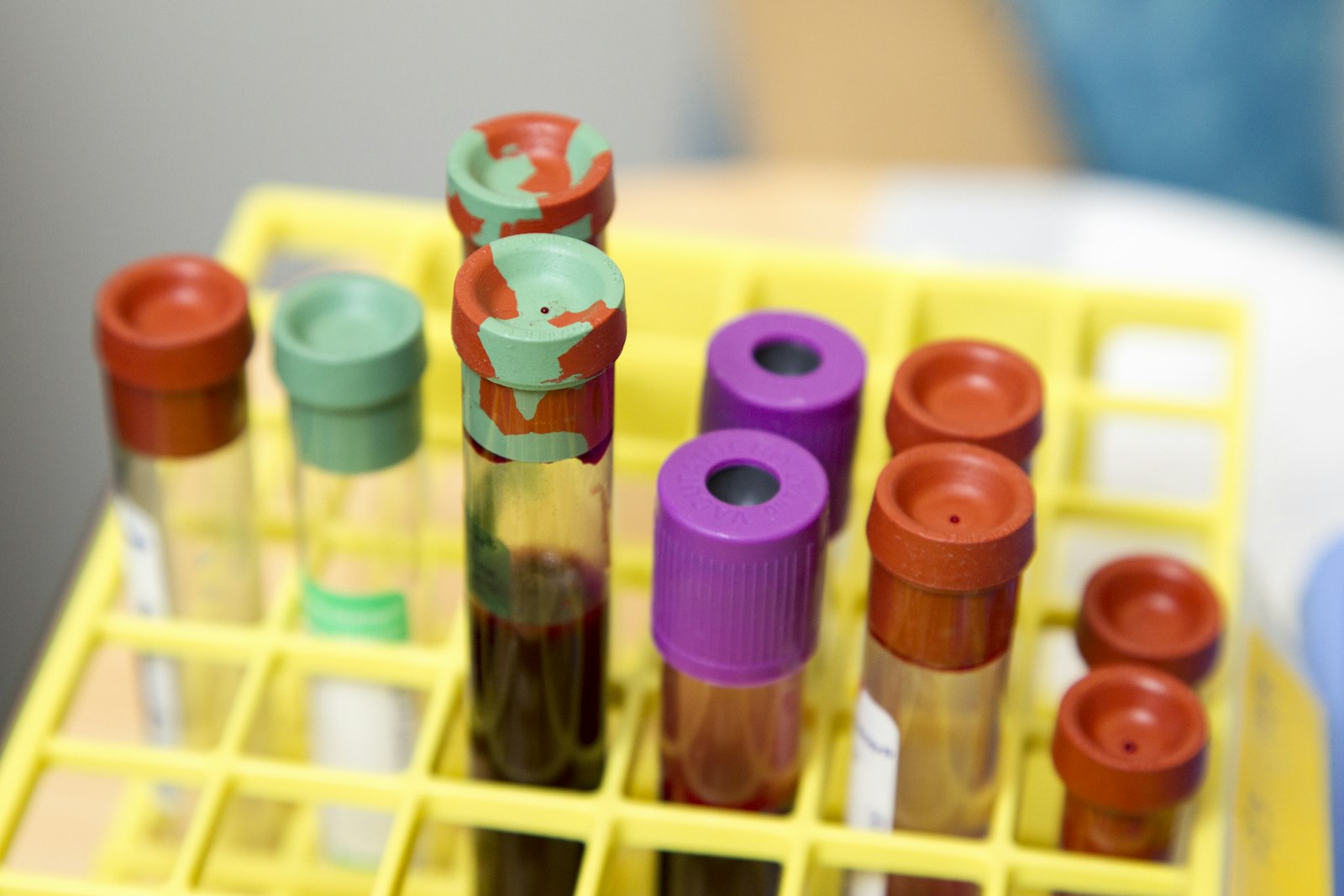
Photo 1: Blood plasma contains thousands of proteins that researchers can analyze to investigate molecular patterns associated with aging in different organs. Credit: National Cancer Institute / Daniel Sone, via Unsplash.
Why one biological age may not be enough
The idea of biological age is not new. Scientists have long searched for measurements that reveal whether someone's body is functioning more like that of an older or younger person. Researchers have explored changes in DNA, immune cells, metabolism, physical performance, and the chemical markings that regulate gene activity. Many earlier methods attempted to summarize these changes into a single age estimate. That approach can be useful, but it also has an obvious weakness: a person is not one organ.
Someone may have excellent cardiovascular fitness while experiencing metabolic problems. Another person may have normal kidney function but early changes affecting memory or immune regulation. A single biological-age score could conceal those differences.
Consider a car with a new engine, worn tires, and an aging battery. Reporting that the vehicle is biologically eight years old would tell a mechanic less than measuring each component individually. The human body is infinitely more complicated than a car, but the principle is similar. If different systems deteriorate at different speeds, studying them separately may reveal warning signs that disappear when everything is averaged together.
This is why organ-specific aging clocks have attracted growing attention. Instead of asking whether a person is biologically older than their birthday suggests, scientists can ask a more precise question: which part of the body shows the strongest molecular signs associated with aging?
How It Works: Reading the Body's Messages in Blood
Blood is more than a delivery system
Most people think of blood primarily as a substance that transports oxygen and nutrients. But blood is also an information network. As it circulates, it encounters virtually every major organ. Molecules released by tissues can enter the bloodstream, carrying clues about biological activity throughout the body.
The liver releases proteins involved in metabolism and blood clotting. The immune system produces signaling molecules. Other tissues contribute proteins associated with development, maintenance, inflammation, and repair. Researchers can measure thousands of these substances in a blood sample. The resulting pattern may provide information that a conventional examination cannot easily reveal.
Imagine standing outside a large building containing hundreds of rooms. You cannot see inside every room, but you can observe what comes out through the ventilation system: heat, odors, humidity, and other signals. Those measurements might allow you to infer which rooms are occupied, which machines are operating, and where unusual activity is occurring. Blood-protein analysis works through a loosely comparable principle. Scientists cannot directly observe every cell in a person's brain or liver through a blood test, but they can study molecular signals associated with those tissues. The challenge is identifying which signals are informative and distinguishing aging-related patterns from temporary physiological changes.
How scientists identify organ-related proteins
Not every protein in the bloodstream points clearly toward a particular organ. Some are produced in many tissues. Others are strongly associated with a narrower set of cells or biological functions. To construct organ-specific aging clocks, researchers combine blood measurements with information about where proteins and their underlying genes are most strongly expressed. Large scientific databases containing gene-expression patterns from human tissues make this possible.
If a particular protein is associated strongly with the liver, for example, changes in its concentration may help researchers characterize liver-related biological patterns. But the relationship is not always straightforward. A protein may be produced in several organs, and its blood concentration can depend on how rapidly it is released, used, broken down, or cleared from circulation. The kidneys, for instance, can influence levels of substances that originated elsewhere. That means a blood-protein clock is not the same as taking a direct photograph of an organ's condition. It is a statistical reconstruction based on molecular evidence.
Teaching computers to recognize aging patterns
Once the relevant proteins are identified, scientists use computational models to examine how their concentrations vary with chronological age. Imagine a dataset containing thousands of people aged between approximately 40 and 70. For each participant, researchers have protein measurements and the person's known age. A model can learn which combinations of proteins tend to be more common among younger adults and which tend to appear among older adults.
The process is similar to teaching a computer to recognize patterns in images. A computer does not necessarily identify a cat by measuring one single feature. Instead, it learns relationships among many characteristics. Likewise, an aging clock may rely on multiple proteins whose combined patterns contain information about age. The model can then examine a participant's blood sample and estimate an age associated with a particular organ or system. Researchers evaluate performance using data that were not used to train the original model. This helps determine whether the model has learned patterns that generalize beyond its training examples.
External validation in different populations provides another important test. The September 2026 study included external validation involving 3,977 participants from the China Kadoorie Biobank, although performance varied across organs and systems. That variation is important: not every biological clock is equally accurate, and a model's success in estimating age does not automatically demonstrate that it can predict disease effectively.
What an organ-age gap actually means
Suppose a 55-year-old participant receives an estimated biological heart age of 61. The difference is six years. Researchers call this an age gap, although individual studies may standardize or adjust these measurements in different ways. A positive age gap indicates that an organ's molecular profile resembles patterns associated with older people in the reference population. A negative age gap suggests a comparatively youthful profile.
However, a six-year gap should not be interpreted literally. It does not prove that the person's heart has experienced exactly six additional years of biological damage, nor does it mean the heart will suddenly fail six years earlier than expected. The number represents a model-based comparison. It is influenced by the proteins measured, the population used to develop the model, and the statistical method applied. An organ-age estimate should therefore be understood as a biological indicator, not an exact measurement of remaining organ lifespan.
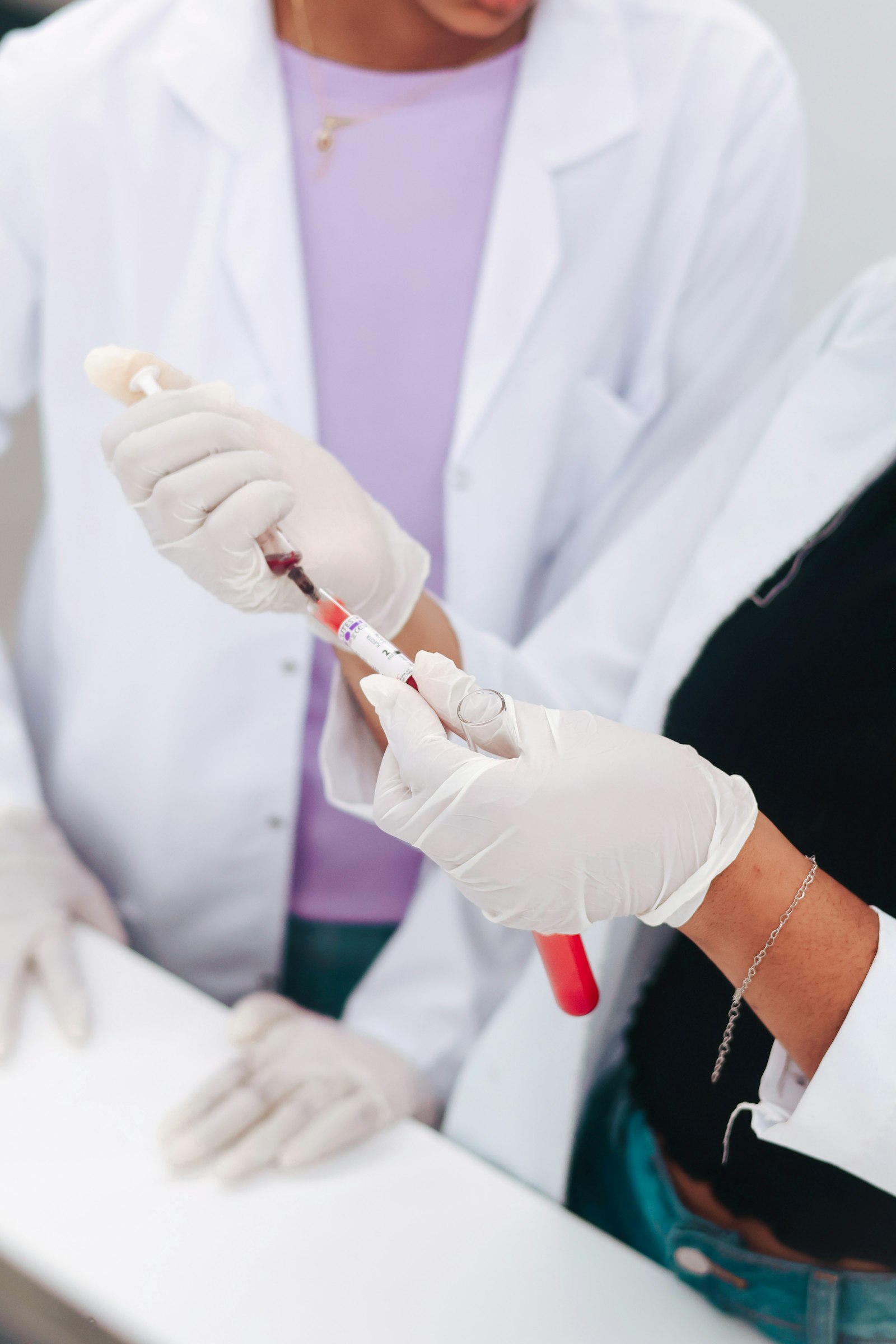
Photo 2: Advances in laboratory measurement and computational analysis are helping scientists interpret blood-protein patterns associated with organ-specific biological aging. Credit: Amari Shutters, via Unsplash.
The Most Surprising Finding: Organs May Age Together Without Aging Equally
One of the strongest messages emerging from organ-aging research is that biological aging is highly individual. The same chronological age can be associated with very different molecular profiles. A person may display accelerated aging in one organ while most other organs appear closer to the expected range. Another individual may exhibit signs of accelerated aging across several systems. These patterns could help explain why the health consequences of aging vary so widely. Two people who share similar habits and medical histories may nevertheless develop different conditions as they grow older.
An important question follows: if several organs appear biologically older than expected, does the combined pattern indicate greater risk than aging in one organ alone? Research suggests that it can. A 2025 study in Nature Medicine examined 2,916 proteins from 44,498 UK Biobank participants and estimated the biological ages of 11 organs and systems. The researchers found that having an increasing number of organs classified as especially aged was associated with progressively greater mortality risk. In the reported statistical models, the hazard ratio rose from 2.3 among participants with two to four aged organs to 4.5 among those with five to seven, and 8.3 among those with eight or more. These figures reflect relative hazards within the study's definitions and adjusted models, not an individual's probability of dying. They also do not establish that the protein patterns themselves cause mortality. Nevertheless, the findings suggest that the distribution of aging across the body may provide meaningful information beyond a person's chronological age.
Why the Brain Has Become a Major Focus
Among the organs examined in recent research, the brain has attracted particular attention. The brain coordinates movement, memory, behavior, sensory processing, and many essential bodily functions. It is also exceptionally complex. Its neurons maintain extensive networks of connections, and its supporting cells regulate inflammation, metabolism, communication, and tissue maintenance. Aging can alter these processes in ways that may affect cognition and neurological health.
Researchers studying blood-protein patterns have found that the estimated biological age of the brain is associated with later health outcomes. In the 2025 Nature Medicine study, participants classified as having especially aged brains showed a higher relative hazard of Alzheimer's disease, while those with especially youthful brain profiles showed a lower hazard. The researchers reported an Alzheimer's disease hazard ratio of 3.1 for especially aged brains and 0.26 for youthful brains under the study's classifications. These are group-level statistical findings. They cannot determine whether an individual will develop Alzheimer's disease. Still, they suggest that blood-based measures of brain-related biology may capture important differences that are not fully described by chronological age alone.
Unlike blood pressure, brain aging cannot be summarized by one convenient clinical measurement. Memory tests assess aspects of cognitive performance, but cognition can be influenced by education, language, sleep, emotional state, and many other factors. Brain imaging can reveal structural or functional changes, but scans are expensive and may not detect every early biological process. Blood-based protein measurements offer a different perspective. They might detect signals associated with inflammation, neuronal maintenance, or other processes linked to brain aging. The key word is might. A blood-protein pattern associated with accelerated brain aging is not equivalent to a diagnosis of dementia, nor can it replace neurological assessment, established clinical tests, or carefully interpreted imaging.
The Immune System: A Possible Central Player
The immune system is often described as the body's defense against infection. That description is accurate but incomplete. Immune cells also help remove damaged material, coordinate tissue repair, regulate inflammation, and communicate with other organs. As people age, immune function changes. Some immune responses may become less effective, while chronic low-level inflammatory activity can become more common. These changes may interact with metabolic, cardiovascular, and neurological health.
The 2025 Nature Medicine study identified relatively youthful brain and immune-system profiles as particularly strong markers associated with longevity. Participants classified as having youthful profiles in both systems showed a lower relative mortality hazard than the study's reference group. The September 2026 research added another dimension. In its exploratory analysis of changes over time, immune-system aging frequently showed temporal relationships with later changes in other organ-aging measures. This does not prove that the immune system controls the rate at which the rest of the body ages, but it raises an important research question: could some system-wide changes associated with aging be driven, in part, by molecular signals that originate in immune regulation? For now, the evidence is intriguing rather than conclusive.
The Liver and Stomach Enter the Story
The liver performs hundreds of essential biological functions. It helps process nutrients, regulate metabolism, produce important blood proteins, and manage substances that must be transformed or removed from circulation. Because of these roles, changes in liver function may influence many systems. Aging-related alterations in liver-associated proteins could reflect broader changes in metabolism or inflammation. In the 2026 study, the liver was among the systems showing notable genetic connections with other aging measures. It also appeared prominently in the exploratory analysis of temporal relationships. These observations suggest that liver-related biology deserves attention when investigating how aging patterns become connected across organs. However, the findings do not establish that improving one liver-aging score would automatically rejuvenate the heart, brain, or kidneys.
The stomach may seem like a less obvious candidate for a central position in aging research. It is usually associated with digestion rather than longevity. Yet gastrointestinal tissues are involved in far more than breaking down food. They interact with hormones, nerves, immune cells, and the broader digestive system. Changes in digestive health can influence nutrient availability and signaling throughout the body. The September 2026 study identified stomach-related aging as another system showing notable temporal precedence in its statistical network. This finding is particularly interesting because it invites investigation into relationships between digestive biology and aging elsewhere. It does not demonstrate that the stomach initiates aging in other organs. The observed relationship could reflect shared biological mechanisms, unmeasured influences, or interactions involving multiple systems.
Can Scientists Discover Which Organ Ages First?
To understand whether one organ's aging pattern comes before another's, scientists need measurements collected at different times. A single blood sample offers a snapshot. Repeated samples allow researchers to investigate how molecular patterns change. For the longitudinal portion of the September 2026 study, researchers examined 1,006 participants with protein measurements available across three assessments. The mean follow-up period was approximately 12.4 years. This allowed them to compare aging patterns at earlier and later stages. Using a statistical framework designed to explore temporal relationships, the researchers looked for situations in which an earlier age-gap measurement in one system predicted later changes in another. Immune-system, liver, and stomach aging emerged as prominent features of the resulting network. Several pairs of systems also showed relationships in both directions. For example, earlier immune-system aging was associated with later lung-aging measurements, while lung-aging measurements were also associated with later immune-system changes. This is a more complicated picture than a single organ starting a chain reaction. It suggests a network of interacting biological processes.
There is an important scientific limitation here. If changes in organ A occur before changes in organ B, that does not prove organ A caused organ B to change. Both may be influenced by another factor. A person experiencing chronic inflammation, for example, might show molecular changes in several systems without any one system being the sole cause. Statistical models can identify patterns that deserve investigation, but they cannot by themselves establish every underlying biological mechanism. Demonstrating causation would require additional evidence. Scientists might investigate specific signaling proteins, examine biological mechanisms in laboratory models, or test targeted interventions in carefully designed human studies. The temporal network is therefore best understood as a map of promising research questions. It identifies possible connections without proving every link.
The Role of Genetics: Why Some Organs May Age Faster
People inherit genetic variations that influence numerous biological processes. Some affect cholesterol metabolism, immune regulation, cardiovascular health, or how cells respond to damage. It is reasonable to expect genetics to contribute to differences in organ aging. The September 2026 study investigated this possibility by combining organ-age estimates with genetic information. The researchers identified 261 genomic loci associated with the aging clocks. A genomic locus is a region of DNA that researchers connect statistically with a measured characteristic. Finding an association does not necessarily identify one gene responsible for causing a particular outcome. A region may contain multiple genes or regulatory elements, and its biological effects may depend on other genetic and environmental influences. Nevertheless, mapping these associations can help scientists identify pathways worth studying. Some genetic influences may be relatively specific to one organ. Others may affect several systems.
Genetics does not determine every aspect of health. A person's biological development also reflects nutrition, physical activity, infections, environmental exposure, medication, social circumstances, and accumulated medical conditions. These influences interact over decades. Even people with similar genetic backgrounds can develop different health outcomes. Organ-aging research offers a way to examine how inherited factors and life experiences may become visible in molecular measurements. The challenge is separating their effects reliably. A protein pattern associated with smoking, for instance, might reflect inflammation, tissue injury, changes in metabolism, or existing disease. The same protein could participate in several processes.
Lifestyle and the Possibility of Changing the Clocks
Do everyday habits influence organ aging? The idea of influencing biological age is naturally appealing. If an organ's molecular profile appears older than expected, people may wonder whether exercise, nutrition, sleep, or other behaviors could improve it. Observational studies have found associations between organ-age estimates and lifestyle-related characteristics. The 2025 and 2026 research examined relationships involving factors such as smoking, physical activity, and other aspects of health and environment. These findings are consistent with the broader understanding that lifestyle influences disease risk. But an essential distinction remains: showing that people with certain habits have younger-looking molecular profiles does not prove that changing those habits will reverse a biological clock. Someone who exercises regularly may differ from someone who does not in many ways, including medical history, income, occupation, access to healthcare, diet, and underlying health.
Imagine a clinical trial in which a new intervention reduces a participant's estimated biological liver age by three years. That would be scientifically interesting, but it would not automatically demonstrate that the treatment extends life or prevents liver disease. The intervention might change proteins used by the model without meaningfully improving long-term health. This is a major challenge for biological-age research. A useful aging clock should ideally detect changes that correspond to important biological outcomes. Researchers need to determine whether improving a clock score is associated with better organ function, lower disease incidence, or longer periods of healthy life. The most convincing evidence would come from carefully controlled studies showing that an intervention changes meaningful clinical outcomes. Until then, clock improvements should not be marketed as proof of rejuvenation. This caution is increasingly relevant as commercial products promise to measure and reduce biological age. In September 2026, Stanford Medicine experts emphasized that different biological-age tests can produce conflicting results because they measure different biological features, and they cautioned that the clinical value of many consumer tests remains uncertain.
What These Findings Could Mean for Future Medicine
Modern medicine is extraordinarily effective in many situations, but it often becomes most active after disease has already developed. A person may discover cardiovascular problems after symptoms appear or during routine screening. Kidney disease can progress without obvious early symptoms. Neurological conditions may involve biological changes long before noticeable difficulties emerge. Organ-specific aging research raises the possibility of detecting unusual molecular patterns earlier. Consider a hypothetical patient whose conventional examination appears normal but whose blood-protein profile suggests unusually accelerated kidney aging. That result would not diagnose kidney disease. However, if future research validates the measurement for clinical use, it might justify closer examination using established tests. A clinician could evaluate kidney function, blood pressure, medication history, and other risk factors. The aging clock would serve as one piece of information within a wider medical assessment.
Different people may benefit from different forms of preventive care. Someone with elevated cardiovascular risk may need attention to blood pressure, cholesterol, smoking, and metabolic health. Another person may require monitoring for an inherited kidney condition. A third may have concerns related to neurological health. In the future, sufficiently validated organ-aging biomarkers could potentially help refine these decisions. Rather than treating everyone of the same chronological age as biologically equivalent, doctors might use molecular patterns to identify additional areas of concern. But personalized prevention should not become an excuse for unnecessary testing. A useful biomarker must provide information that changes medical decisions in beneficial ways. If a clock result merely confirms what existing measurements already show, its added clinical value may be limited.
Real-World Example: Three Patients, Three Different Biological Stories
To understand the potential, imagine three hypothetical 60-year-old patients. These examples illustrate possible future applications. They are not documented cases from the research. Patient A, the active walker, walks regularly, maintains healthy blood pressure, and has no major diagnosed cardiovascular problems. A research blood-protein analysis suggests a relatively youthful heart and arteries, but the brain-related aging score is higher than expected. Does this mean the patient is developing dementia? No. The score alone cannot establish that conclusion. But it could prompt researchers to investigate why brain-related molecular signals differ from other measurements. The important insight is that favorable cardiovascular indicators do not necessarily describe every aspect of biological aging.
Patient B, the person with several metabolic risks, has elevated blood pressure, type 2 diabetes, and a history of smoking. Their blood-protein patterns suggest relatively advanced aging in several systems. Some of these results may reflect medical conditions already known. Other patterns might eventually help researchers understand how disease-related changes affect multiple organs simultaneously. The central medical priority would remain evidence-based management of existing risk factors. A sophisticated test is not automatically more useful than a simpler one. Patient C, the apparently healthy individual, reports feeling well and has no major symptoms. Their conventional screening results are reassuring. Yet a research model identifies an unusually aged immune-system profile. This would raise questions rather than provide answers. Could the pattern reflect a recent infection, a temporary inflammatory response, an underlying condition, or normal biological variation? Additional measurements over time might help determine whether the result is persistent. The case illustrates why interpreting biological age requires clinical context.
The Limitations: What Biological Clocks Cannot Yet Tell Us
A model can be accurate in one population and weaker in another. Large datasets make sophisticated models possible, but the people included in a study may not represent every population. The UK Biobank contains valuable medical and genetic information, yet participants are not a perfectly representative sample of humanity. Differences in ancestry, geography, age distribution, socioeconomic conditions, medical care, and environmental exposures can influence biological measurements. A model developed primarily using one population might perform differently when applied elsewhere. This makes external validation essential. The September 2026 study's validation involving Chinese participants is an important contribution, but it does not resolve every question about generalizability. Additional studies will need to include more diverse populations and wider age ranges.
Proteins can change for many reasons. Aging is not the only process that changes blood proteins. Infection, medication, injury, sleep disruption, nutritional status, and many medical conditions can influence protein concentrations. Even laboratory procedures and sample handling can introduce variation. A result may therefore reflect more than long-term biological aging. For example, an immune-related protein could increase during an inflammatory response. If that protein contributes to an aging clock, the estimated age might change even though the underlying long-term aging process has not shifted in the same way. Scientists need to determine how stable organ-age estimates are across repeated measurements. They also need to identify which changes are temporary and which predict meaningful future outcomes. This is one reason a single commercial result should not be treated as a permanent biological label.
Correlation does not equal diagnosis. A biomarker can be associated with disease risk without being useful as a diagnostic test. Suppose an organ-aging score is statistically associated with heart failure. That does not tell a doctor whether a particular patient currently has heart failure. A diagnosis requires clinical criteria and appropriate evaluation. Predicting disease risk is a different task. Even a useful risk model has uncertainty. Some individuals classified as high risk will remain healthy, while others classified as lower risk will develop disease. Researchers must evaluate both the benefits and harms of acting on these predictions. Overtesting can cause anxiety, unnecessary procedures, and financial costs. Underestimating risk can create false reassurance.
Why the Research Matters Beyond the Laboratory
Many chronic diseases become more common with age. Yet aging itself is not a single disease. It involves changes across cells, tissues, organs, and entire physiological systems. Organ-specific aging clocks may help researchers separate these processes. For example, investigators could examine whether certain cardiovascular conditions are more strongly associated with arterial aging, immune aging, or combinations of several systems. They could study whether disease risk changes when different biological pathways become active together. Researchers might also investigate why some people remain relatively healthy despite carrying genetic risk factors. The broader scientific goal is to understand why aging produces such different outcomes among individuals.
Developing treatments intended to improve healthy aging presents a practical challenge. Many important outcomes, including heart failure, dementia, and mortality, can take years to develop. Clinical trials may therefore require long follow-up periods. Researchers are interested in biomarkers that might detect relevant biological changes sooner. If organ-aging clocks prove reliable, they could help scientists evaluate whether an intervention affects the tissues it is intended to protect. A treatment targeting cardiovascular biology might be studied for its effects on arterial or heart-related molecular patterns. An intervention affecting inflammation might be examined through immune-system aging measurements. However, a biomarker would need extensive validation before it could replace meaningful clinical outcomes in major trials. Scientists must demonstrate that changes in the measurement reliably correspond to changes in health. Without that evidence, faster measurements could produce faster conclusions that are not necessarily correct.
Longevity research often captures public attention with the possibility of living longer. But the number of years lived is only one measure of a successful life. Healthspan describes the portion of life spent in relatively good health and functional independence. Someone who reaches 95 while remaining physically active and cognitively engaged has experienced a different aging journey from someone who reaches the same age after decades of severe disability. For many people, preserving physical function, memory, energy, and independence is more meaningful than extending lifespan alone. Organ-aging research may eventually help scientists investigate why some individuals maintain these abilities longer than others. The goal need not be an unrealistic promise of stopping time. It may be to understand and reduce the biological processes that contribute to avoidable disease and disability.
Could Organ Aging Become a New Medical Industry?
Consumers are already familiar with personalized health measurements. Smartwatches estimate fitness. Home devices measure blood pressure. Health applications track sleep, movement, and recovery. Biological-age tests fit naturally into this expanding market. A company that promises to reveal the age of a person's heart or brain offers something emotionally powerful: a number that appears to summarize hidden aspects of health. The problem is that complex biology cannot always be reduced to a trustworthy single number. Two companies may use different proteins, reference populations, and computational methods. Their results may disagree even when both tests are technically functioning as designed. A person's biological age could appear younger on one test and older on another. This does not necessarily mean one company is deliberately misleading customers. It may mean the tests measure different aspects of physiology or use different definitions of aging. For consumers, however, such disagreement can be confusing.
If organ-aging tests become more widely available, several practical questions will become important. Who should interpret the results? How should uncertain findings be communicated? What medical actions, if any, are justified by an elevated organ-age score? Who owns the underlying biological data? Could insurers or employers misuse information about predicted health risks? These are not merely technical questions. They concern privacy, discrimination, medical ethics, and public trust. Biological-age data may reveal sensitive information about health-related vulnerabilities even when it does not establish a diagnosis. Systems handling these measurements will need strong safeguards. Clear communication will also be essential. A responsible report should explain statistical uncertainty, population limitations, and the difference between an estimated age and a clinical diagnosis. The future credibility of the field may depend as much on careful interpretation as on technological progress.
The Biggest Open Questions Scientists Still Need to Answer
Are the clocks measuring aging itself? This is perhaps the deepest scientific question. A protein-based aging clock can learn molecular patterns that change with chronological age. But why do those patterns change? Some may reflect biological damage accumulating over time. Others may represent adaptive responses that protect tissues. Still others may be consequences of existing disease. A model might combine all three. If scientists want to use clocks to guide interventions, they must understand which signals indicate harmful processes and which reflect normal regulation. An older-looking molecular profile is not automatically a direct measure of biological deterioration.
Can a younger organ-age score translate into better health? Suppose a person's estimated liver age decreases after sustained lifestyle changes. Does that mean the liver is healthier? Possibly. But scientists would need to compare the clock result with measures of liver function, medical outcomes, and longer-term disease risk. They would also need to establish whether the change exceeds expected measurement variation. Repeated testing and controlled interventions will be necessary. The same principle applies to the brain, heart, immune system, and other organs. A biomarker becomes clinically valuable when it helps answer a meaningful medical question.
Do organs influence each other's aging? The 2026 research suggests complex temporal relationships among organ-aging measures. The next step is determining which relationships reflect genuine biological influence. Researchers could investigate signaling molecules that travel between tissues. They might examine how immune activity affects vascular health or how metabolic changes influence neurological function. Intervention studies could help identify whether modifying one pathway changes aging-related biology elsewhere. The challenge is that human organ systems are deeply interconnected.
How early can unusual aging patterns be detected? Most large aging studies contain substantial numbers of middle-aged and older adults. But some biological processes associated with later disease may begin much earlier. Could organ-aging patterns become informative in young adulthood? Would early measurements predict health decades later? Answering them will require long-term studies that follow people across different stages of life. It will also require caution to avoid turning ordinary biological variation in healthy young adults into unnecessary medical concern. Will the technology actually improve care? Even if researchers can measure organ-specific aging reliably, does knowing those measurements help people live healthier lives? That question must ultimately be answered through evidence. A test could be scientifically impressive yet provide little additional benefit beyond established healthcare. Alternatively, it might identify meaningful risks that existing examinations miss.
The Future: From One Clock to a Biological Dashboard
Imagine visiting a doctor in the future. Instead of receiving only conventional laboratory results and a list of risk factors, you might also see a carefully validated molecular profile describing several aspects of organ health. Your cardiovascular measurements could be considered alongside heart- and artery-related aging patterns. Your metabolic results might be interpreted with additional information about liver or kidney biology. If concerns about cognition arise, researchers might eventually combine neurological assessments with molecular measurements associated with brain aging. Such a system would not tell you exactly how long you will live, nor would it predict every future disease. It could potentially provide a more detailed picture of how different biological systems are functioning relative to age-related reference patterns.
The most valuable version of this technology would probably be less like a dramatic countdown clock and more like a scientific dashboard. It would contain several measurements, each with uncertainty, context, and clearly established clinical meaning. It might help doctors ask better questions rather than pretend to provide perfect answers. Achieving that future requires more than powerful algorithms. Researchers need standardized measurements, reliable data from diverse populations, repeated observations, and evidence that clinical decisions based on these results improve outcomes. They also need a deeper understanding of the biology behind the numbers. The September 2026 findings represent a step toward that goal, not the completion of it.
Conclusion: The Body Does Not Follow a Single Clock
Every birthday reminds us that time moves forward. The calendar is precise. It never forgets a day, and it treats everyone born on the same date equally. Biology is different. Within the human body, billions of cells respond to stress, repair damage, communicate with neighboring tissues, and adapt to changing conditions. The heart does not experience those processes in exactly the same way as the brain. The liver does not share every biological challenge faced by the kidneys. The immune system interacts with both.
What scientists are discovering is that these differences leave measurable molecular patterns. Large blood-protein studies are beginning to reveal how aging varies among organs and how those variations relate to disease, genetics, environment, and longevity. The September 2026 research strengthens the emerging idea that aging is not a single uniform process. It is a complicated network of biological changes, some independent and others interconnected. The findings are not a promise of immortality, and they do not yet justify treating biological-age scores as definitive medical diagnoses. Their importance lies in something more scientifically useful. They give researchers new ways to ask why some organs become vulnerable before others, why some people remain healthy for longer, and whether future interventions could protect specific systems before serious disease develops.
For centuries, human aging has been measured primarily by counting the years since birth. The next chapter of aging science may involve understanding what those years have meant for each part of the body. Your birthday tells the world how long you have been alive. The molecules circulating through your bloodstream may eventually help scientists understand how your body has experienced that time. And that distinction could become one of the most important advances in the science of healthy aging.
Sources
1. Pu, F., et al. (2026). Atlas of genetic architecture and exploratory temporal interaction networks of plasma protein-based organ and system aging. Nature Communications, 17, 10666. Published September 9, 2026.
2. Oh, H. S.-H., et al. (2025). Plasma proteomics links brain and immune system aging with healthspan and longevity. Nature Medicine, 31, 2703-2711.
3. Oh, H. S.-H., et al. (2023). Organ aging signatures in the plasma proteome track health and disease. Nature, 624, 164-172.
4. Stanford Medicine (2025; updated 2026). Biological age of our organs and cell types within them predict our disease risk, longevity. Stanford Medicine.
5. Stanford University (September 23, 2026). What biological age tests can - and can't - tell you. Stanford Report.
Category: Science
The conversation
Post a Comment